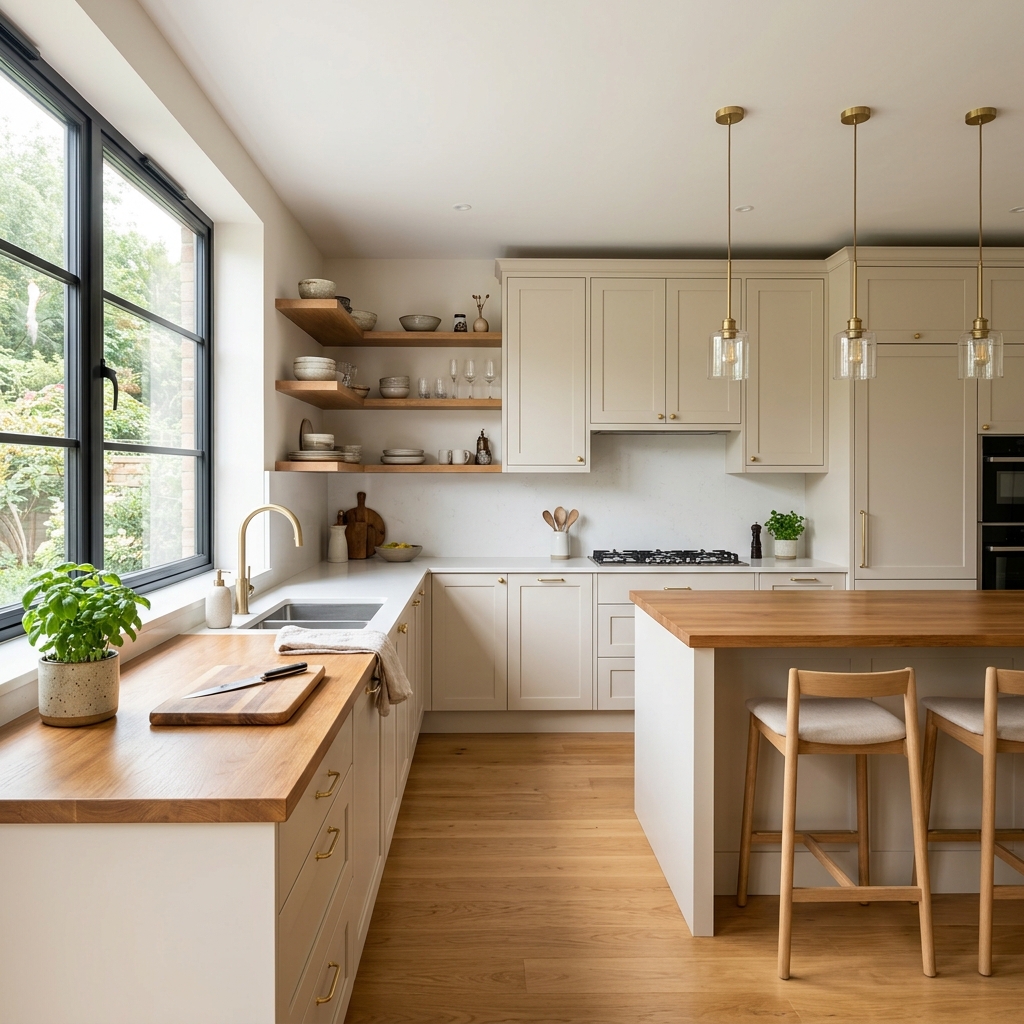
Creating a detailed, engaging, and SEO-optimized home decor article requires more than simply putting words on a page. A successful article should appeal to readers, answer common search questions, provide real value, and be structured in a way that search engines can easily understand. Whether you run a home decor blog, manage an interior design website, or create content for a furniture brand, learning how to build strong HTML articles can improve both user experience and search visibility.
In this guide, we’ll walk through the key elements of crafting a long-form home decor article in clean HTML format. You’ll learn how to organize headings, use keywords naturally, improve readability, and create content that has the potential to rank well in search results.
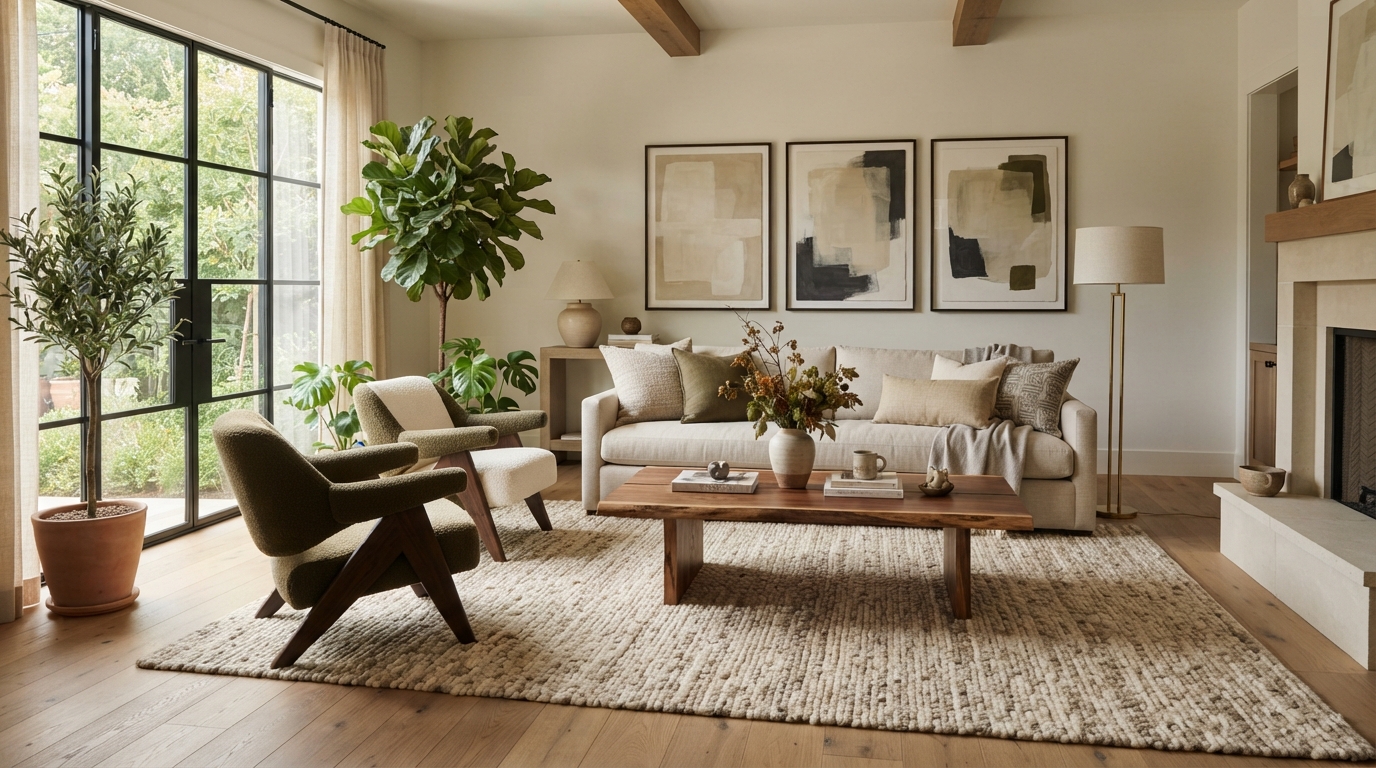
Why SEO Matters for Home Decor Content
The home decor niche is highly visual and highly competitive. From “modern living room ideas” to “small bedroom decorating tips,” thousands of websites compete for attention. Search engine optimization, or SEO, helps your content stand out by making it easier for search engines to understand what your article is about.
Well-optimized content can:
- Increase organic traffic from Google and other search engines
- Attract readers actively looking for home decor ideas
- Improve visibility for seasonal or trending decor topics
- Support brand authority in interior design and styling
- Help convert readers into subscribers or customers
For a home decor website, SEO isn’t just about rankings. It’s also about creating relevant, helpful content that matches the user’s intent. Someone searching for “cozy apartment decor ideas” wants inspiration, practical solutions, and likely visual guidance. Your article should deliver all three.
Start with the Right Topic and Keyword Strategy
Before writing an article, choose a topic that aligns with what your audience is searching for. In the home decor space, strong topics are often built around rooms, styles, budgets, seasons, or common decorating challenges.
Popular Home Decor Topic Categories
- Living room decorating ideas
- Bedroom makeover inspiration
- Small space decor solutions
- Seasonal decorating trends
- Budget-friendly DIY decor
- Color palette guides
- Furniture styling tips
- Organization and storage decor
When selecting keywords, focus on one primary keyword and several related secondary keywords. For example, if your primary keyword is home decor ideas, secondary phrases might include interior styling tips, budget home decorating, modern home decor, and small space decorating ideas.
The goal is to naturally include these terms throughout the article without stuffing them into every paragraph. Search engines are increasingly sophisticated, so natural language and clear topical relevance matter more than repetition.
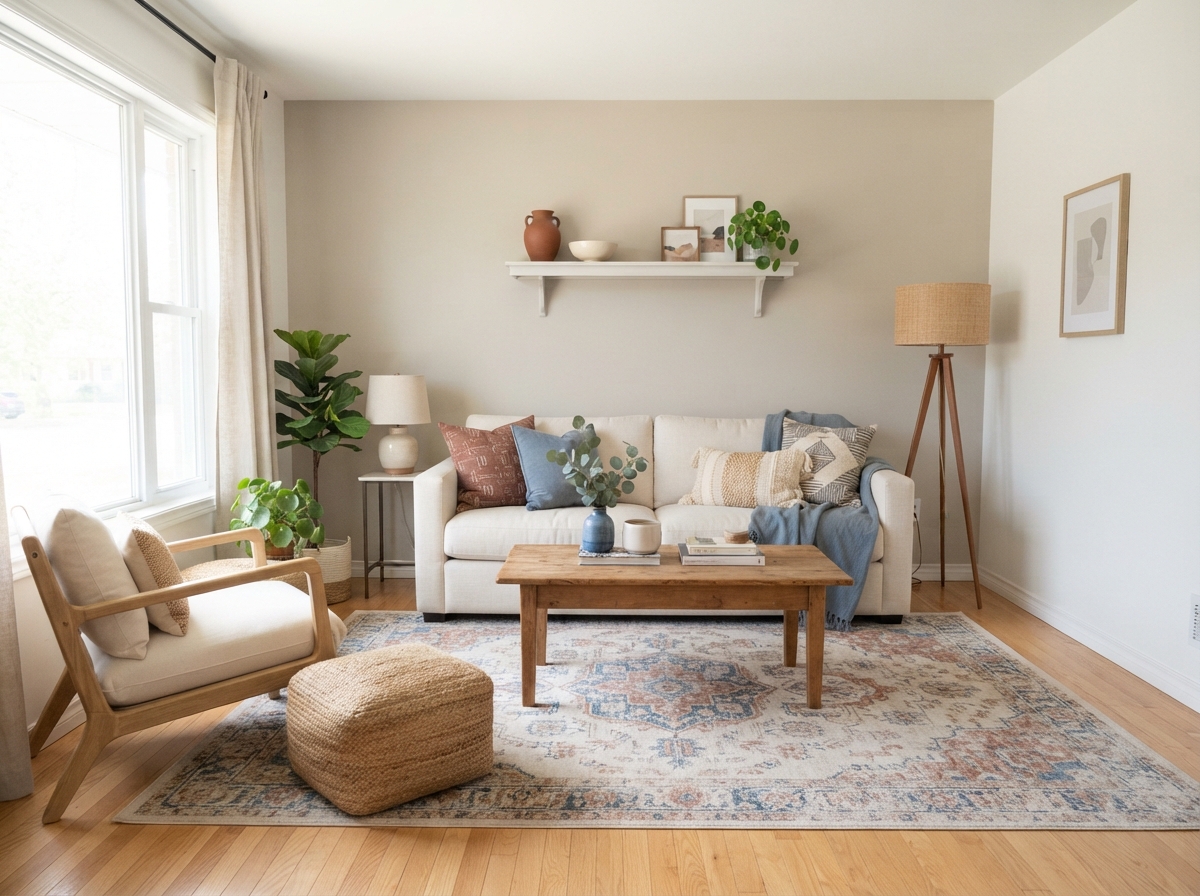
Structure Your Article for Readability and SEO
One of the easiest ways to improve article performance is to use a clear heading structure. HTML formatting plays an important role here. Your page should include one main <h1> heading, followed by logical sections using <h2> and <h3> subheadings.
This structure helps both readers and search engines quickly understand the content.
Basic HTML Article Structure
- H1: Main topic of the article
- H2: Primary sections
- H3: Subtopics within each section
- Paragraphs: Short, readable blocks of text
- Lists: Great for tips, benefits, and quick takeaways
For home decor readers, scannability is essential. Most people browse decor content for inspiration and practical ideas, so long unbroken paragraphs can reduce engagement. Break up text with subheadings, lists, and image placeholders where appropriate.
Write a Strong Introduction
Your introduction should immediately explain what the article is about and why it matters. A good SEO introduction often includes the primary keyword early on, but it should still read naturally and feel inviting.
For example, if you’re writing about living room decor, your intro should quickly mention the room, the style or challenge, and what the reader can expect to learn. Strong introductions are especially important because they influence bounce rate and time on page.
What a Good Introduction Should Do
- Introduce the main home decor topic clearly
- Mention the target keyword naturally
- Set expectations for the article
- Encourage the reader to continue scrolling
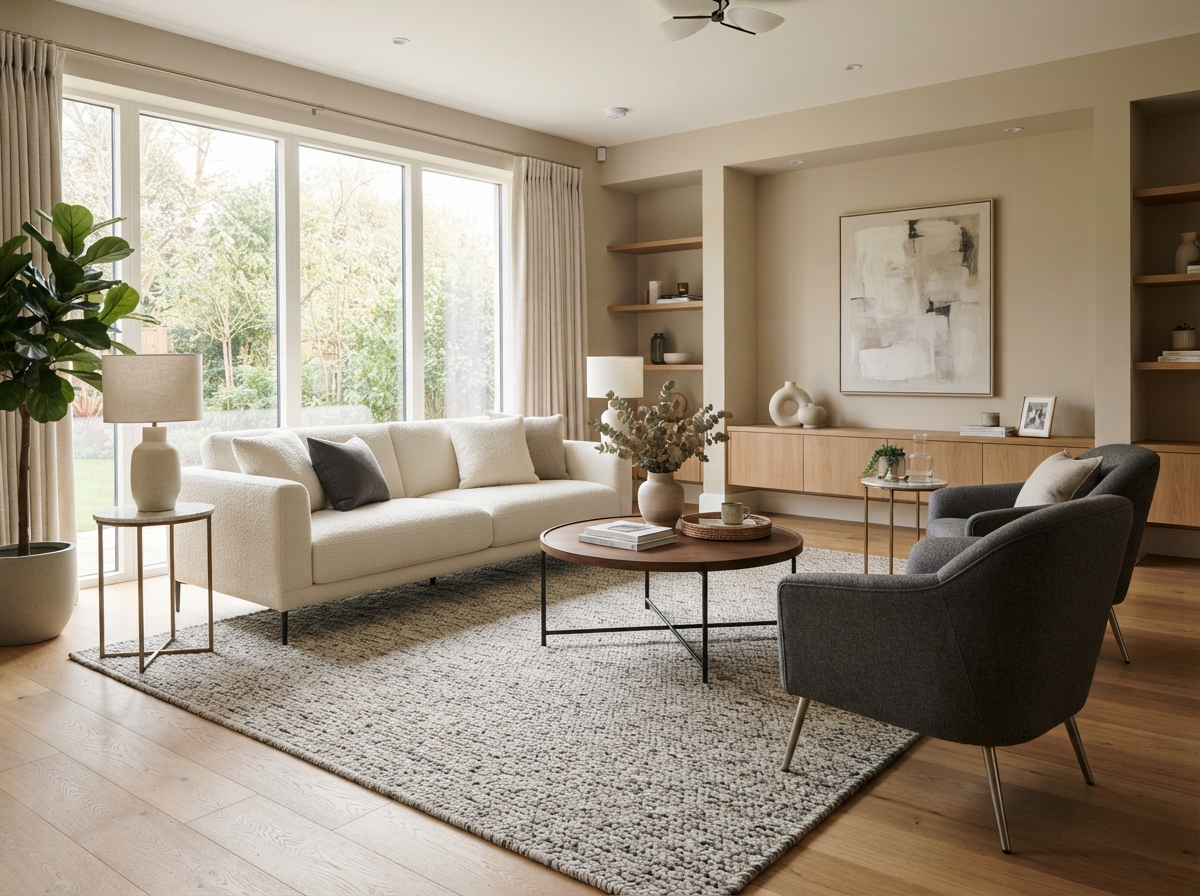
Create Valuable, Reader-Focused Sections
High-quality content is the foundation of SEO. Search engines prioritize content that demonstrates usefulness, clarity, and depth. For a detailed home decor article, each section should answer a question, solve a problem, or provide meaningful inspiration.
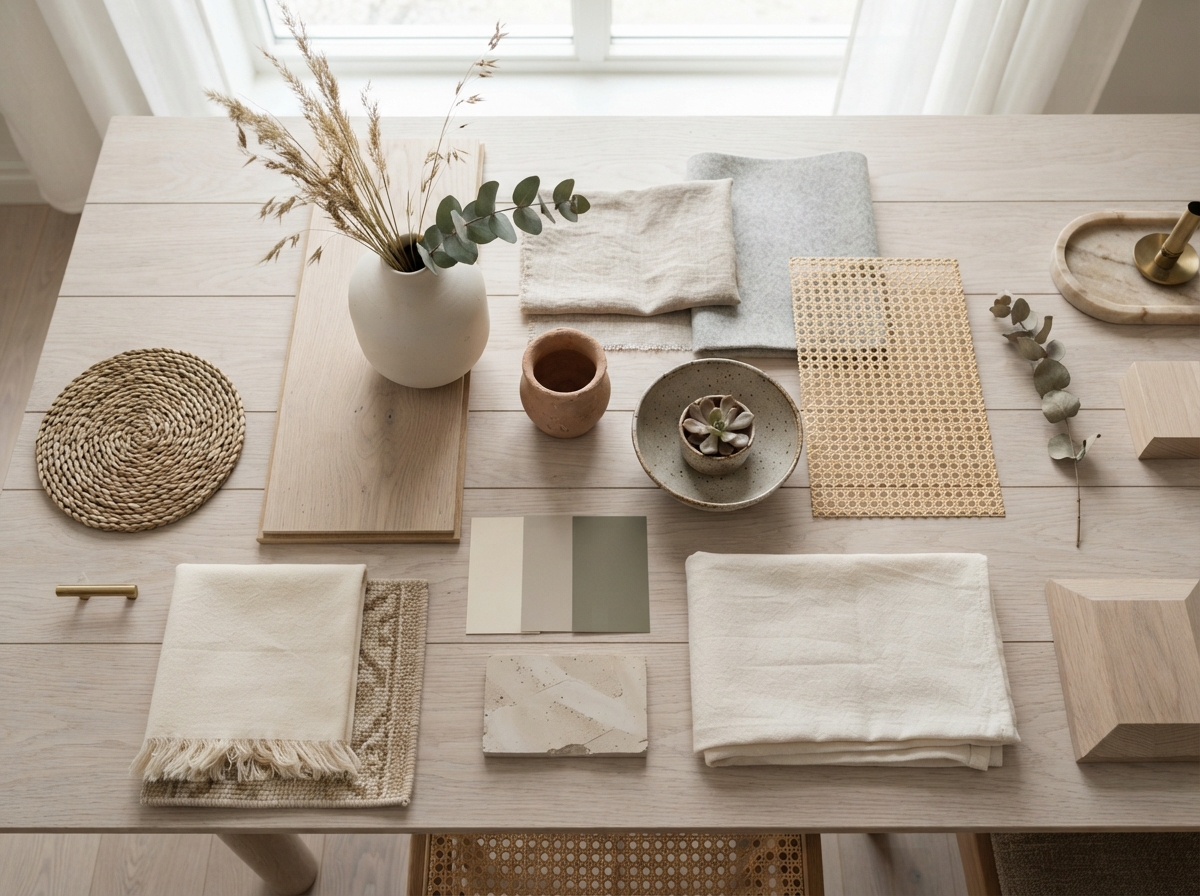
Instead of writing vague statements like “add some texture to your room,” explain exactly how to do it. Mention throws, rugs, woven baskets, linen curtains, or natural wood accents. Specificity makes your content more credible and more helpful.
Examples of Valuable Home Decor Advice
- How to choose the right rug size for a living room
- Ways to mix textures without making a space feel cluttered
- How lighting affects mood and room design
- Simple updates that make a small room look larger
- How to style shelves for a balanced, curated look
The more practical your content is, the more likely it is to satisfy the reader’s search intent.
Shop the Look
Use Keywords Naturally Throughout the Content
SEO optimization works best when keywords appear in the right places without disrupting readability. Include your primary keyword in the title, introduction, at least one subheading, and a few times throughout the body. Related terms should appear naturally in context.
Where to Place Keywords
- Article title or H1
- Opening paragraph
- At least one H2 or H3 heading
- Image alt text when images are used
- Meta title and meta description outside the article body
- Conclusion paragraph
Avoid overusing exact phrases. Instead, vary your language with semantically related terms such as “interior decor,” “home styling,” “decor inspiration,” and “room makeover ideas.” This improves the natural flow of the article and can help broaden ranking opportunities.
Make the Content Visually Engaging
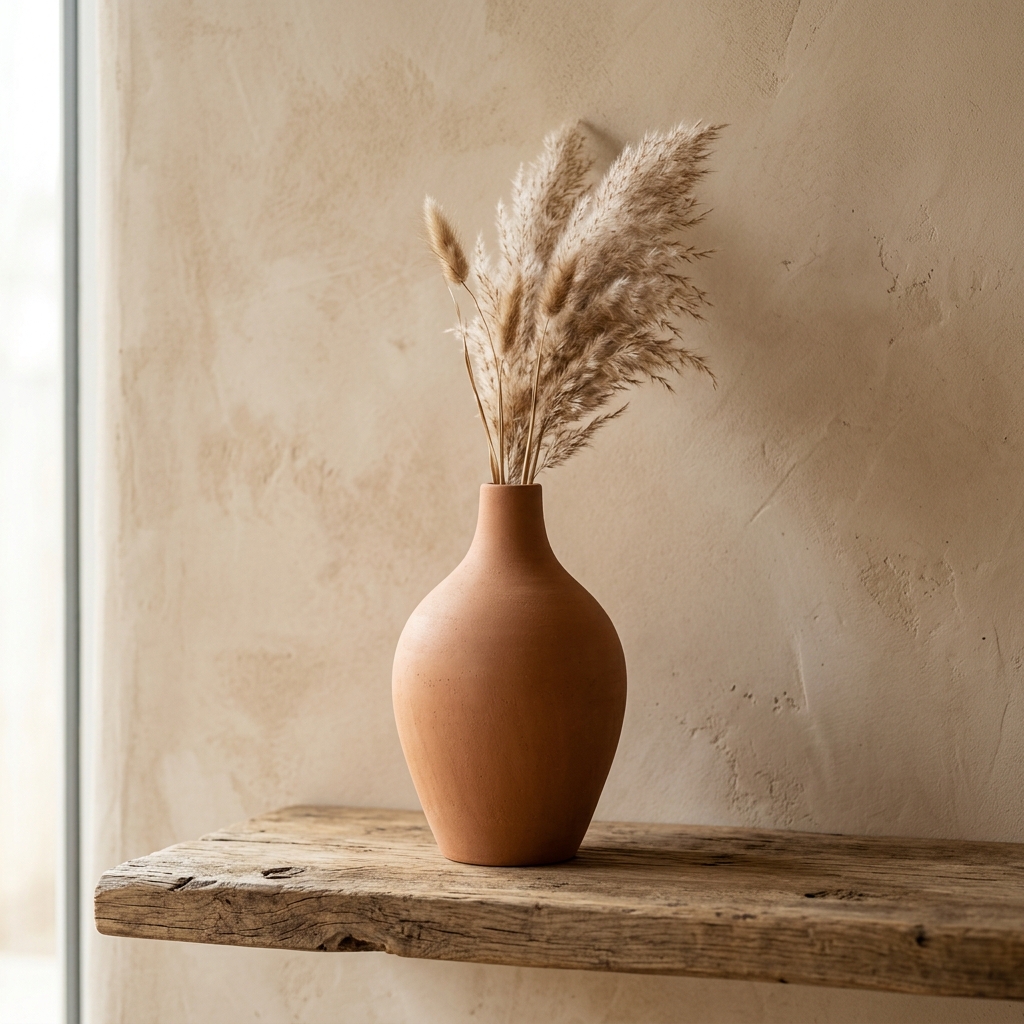
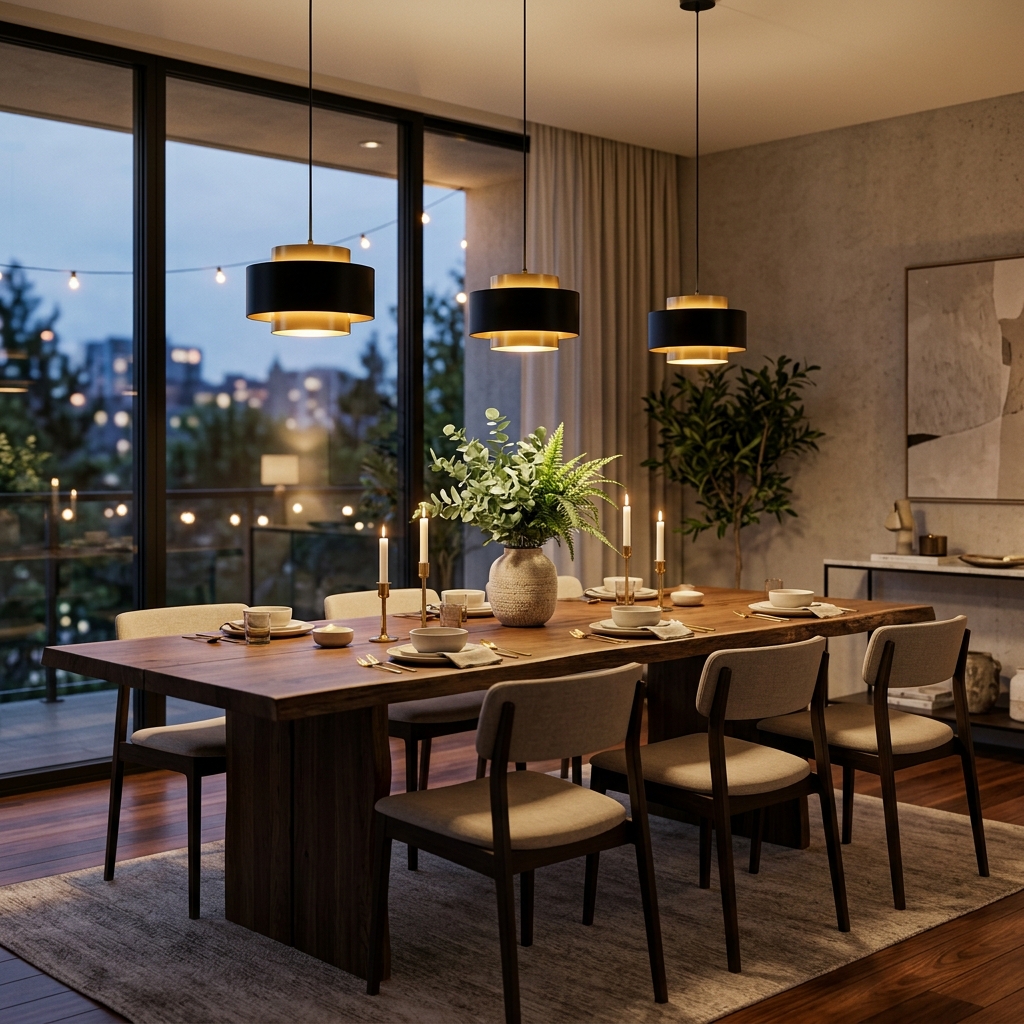
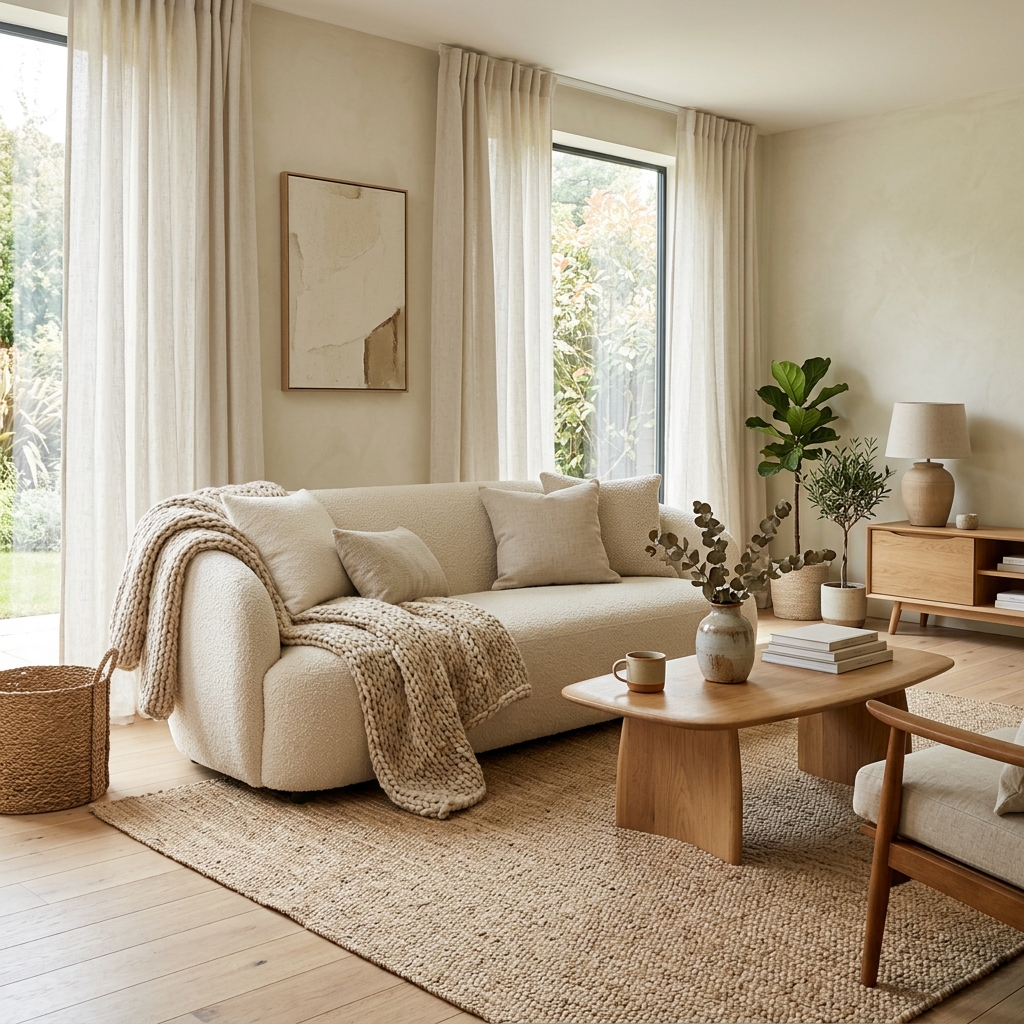
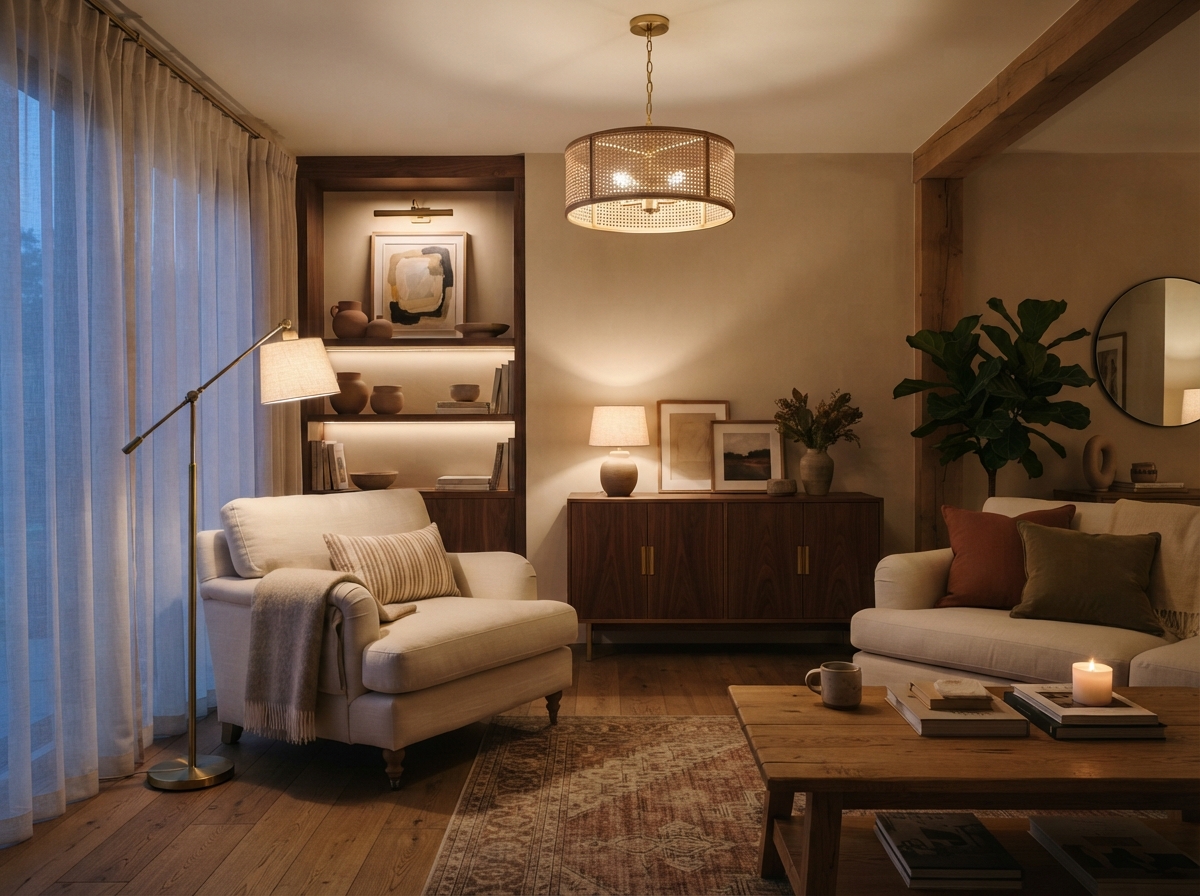
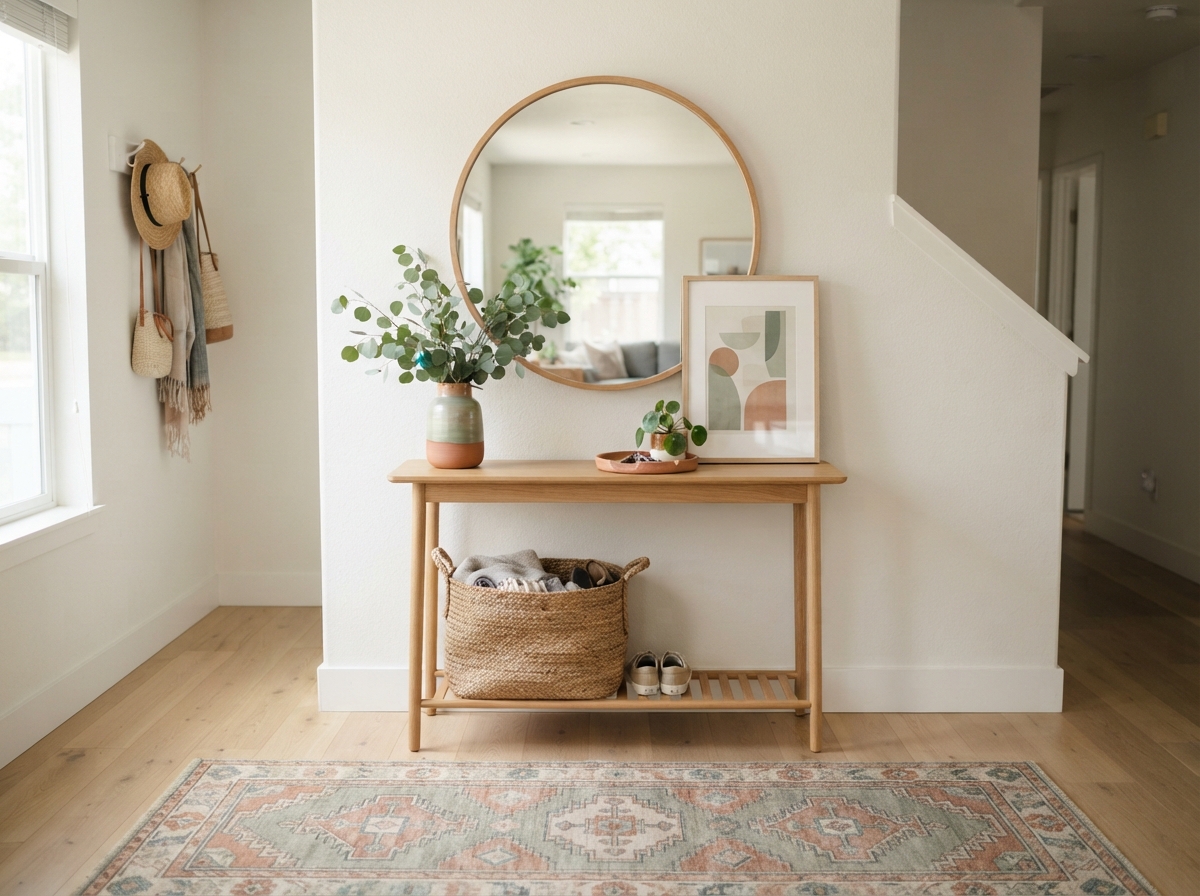
Home decor content is inherently visual, so article layout matters. Even in clean HTML, image placement should be part of the structure. Since this format uses image placeholders, place them in sections where readers would expect visual examples or inspiration.
Good places for images include:
- After the introduction
- Between major decor idea sections
- Near before-and-after style explanations
- Alongside styling tips or room examples
Using placeholders such as <!-- IMAGE_01 --> keeps the HTML clean while allowing designers or publishers to add visuals later.
Optimize for User Experience
SEO and user experience go hand in hand. Even the most keyword-rich article won’t perform well if it is difficult to read. Clean HTML contributes to a better user experience by maintaining a simple, accessible content structure.
Best Practices for User-Friendly Articles
- Use short paragraphs for readability
- Include descriptive subheadings
- Use bullet points to summarize ideas
- Keep formatting consistent throughout the article
- Avoid unnecessary code or inline styling
- Make the article easy to skim on mobile devices
Since many readers browse home decor content on their phones, mobile readability is especially important. Shorter paragraphs, clean lists, and clear hierarchy all improve the reading experience.
Include Internal Linking Opportunities
Internal links help search engines discover more of your content and encourage users to stay on your site longer. In a home decor article, you can naturally link to related content such as other room guides, DIY tutorials, shopping roundups, or seasonal trend posts.
Examples of Relevant Internal Links
- Minimalist bedroom decor ideas
- Best wall art tips for small spaces
- How to decorate with neutral colors
- Affordable farmhouse decor inspiration
- Storage solutions for stylish living rooms
While internal links may be inserted later depending on your content library, it’s smart to write with linking opportunities in mind.
Write with Authority and Authenticity
Strong content should feel trustworthy. In the home decor niche, readers are often making real decisions about how to style their homes, spend their budgets, or improve their spaces. That means your writing should be confident, practical, and authentic.
Use clear recommendations and avoid generic filler. If you mention trends, explain how they work in real homes. If you suggest buying decor pieces, mention function as well as appearance. If you discuss color, explain mood and compatibility.
Ways to Build Content Authority
- Offer specific design advice
- Address common decorating mistakes
- Use practical examples for different room types
- Consider budget, lifestyle, and space limitations
- Write in a helpful, expert tone
This type of content tends to perform better because it aligns with what readers actually want: useful guidance they can apply in their own homes.
Don’t Forget the Conclusion
A strong conclusion helps reinforce the topic and gives the article a polished ending. It should summarize the main takeaways, naturally restate the target keyword, and leave the reader with a clear next step or idea.
For a home decor article, that next step might be trying one design tip, exploring a related room guide, or starting a simple seasonal refresh at home.
Elements of a Good Conclusion
- Recap the most important advice
- Reinforce the main home decor theme
- Use the keyword naturally one more time
- End with an encouraging, actionable thought
Sample Checklist for a Great SEO Home Decor Article
Before publishing, review your article using a checklist like this:
- Is the article at least 1200 words?
- Does it include one clear H1 heading?
- Are H2 and H3 headings used logically?
- Is the primary keyword included naturally?
- Are related keywords used throughout?
- Are paragraphs short and easy to read?
- Does the article provide practical value?
- Are image placeholders inserted appropriately?
- Is the HTML clean and uncluttered?
- Does the conclusion wrap up the content effectively?
Final Thoughts
Writing a detailed, SEO-optimized article in clean HTML format is one of the best ways to create high-performing content for a home decor website. The key is to combine strong structure, useful advice, natural keyword placement, and a reader-friendly format. When your content is easy to read, visually organized, and genuinely helpful, it becomes more valuable to both users and search engines.
Whether you’re writing about modern home decor, cozy bedroom styling, budget-friendly decorating ideas, or seasonal room updates, the same principles apply. Choose a relevant topic, organize the content clearly, provide practical insight, and format everything cleanly in HTML. Over time, this approach can help build authority, improve rankings, and keep readers coming back for more home decor inspiration.