
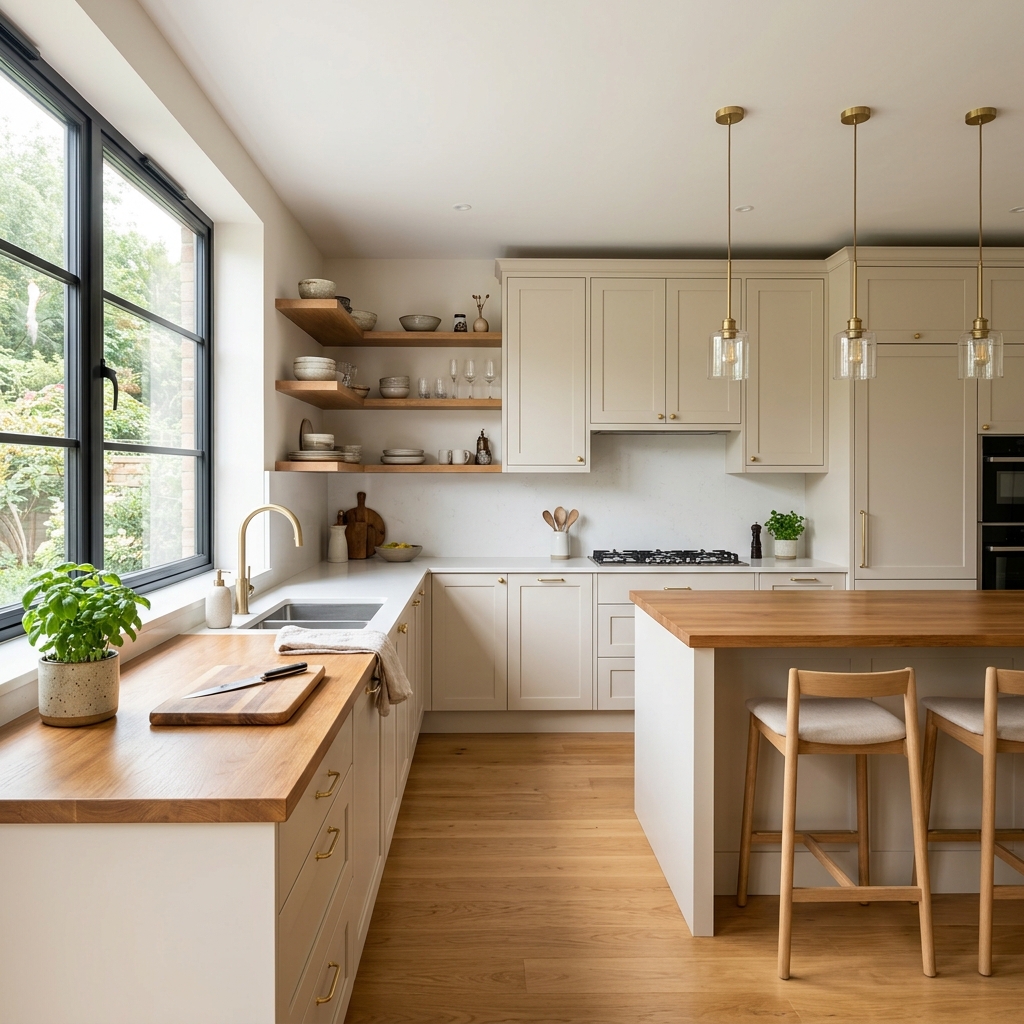
A dark room can feel smaller, less inviting, and even affect your mood. While not every home has large windows or perfect sun exposure, there are many smart ways to maximize the natural light you already have. The good news is that you don’t need a major renovation to make a noticeable difference.
With a few strategic design choices, you can transform a dim space into one that feels brighter, more open, and welcoming. Whether you’re decorating a small apartment, a north-facing bedroom, or a window-challenged living room, these practical ideas will help you make the most of daylight.
In this guide, you’ll discover five effective ways to bring more natural light into a dark room while creating a beautiful and comfortable living space.
1. Use Mirrors to Reflect Natural Light
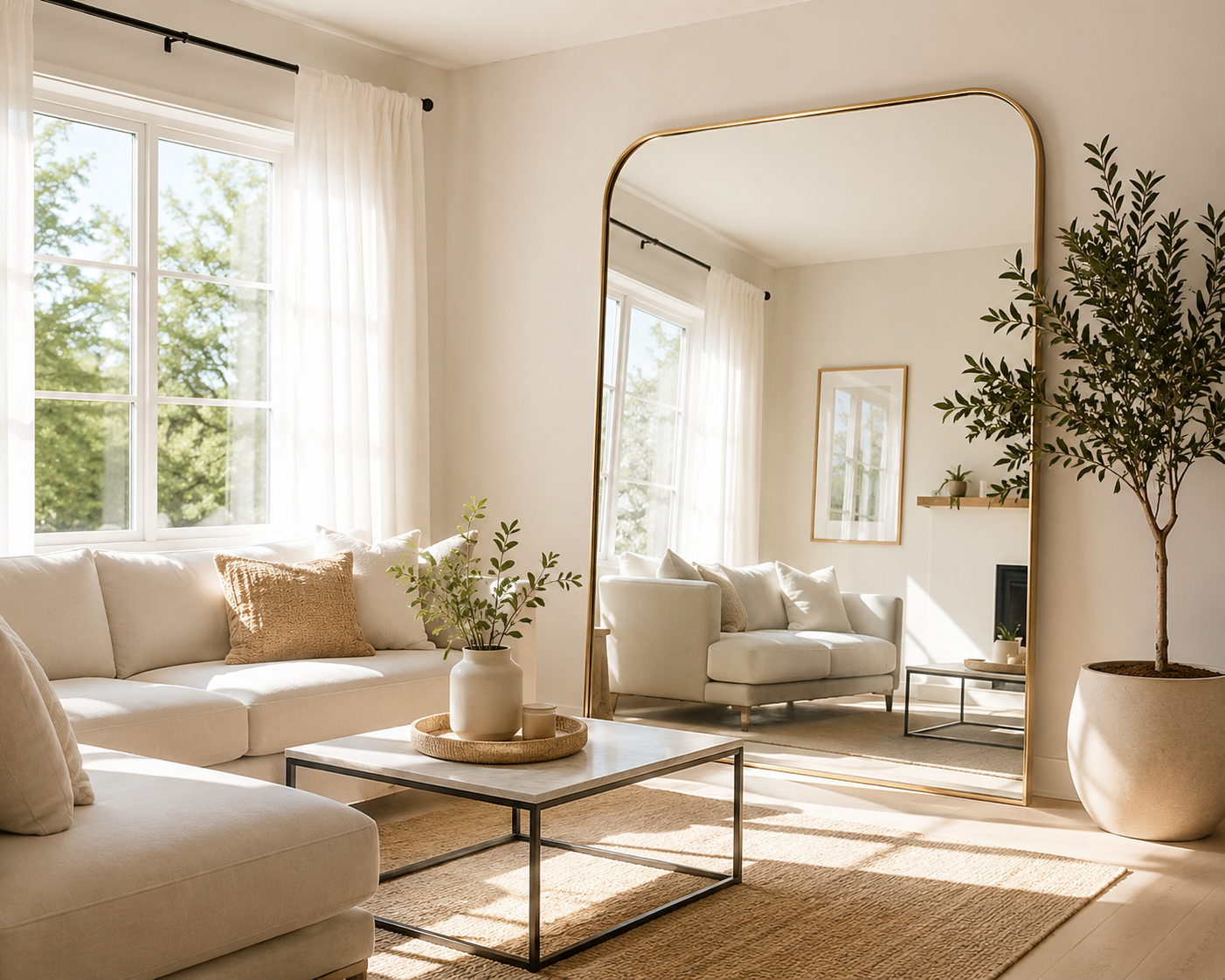
One of the easiest and most affordable ways to brighten a room is by using mirrors strategically. Mirrors don’t create light, but they reflect existing sunlight throughout the room, instantly making the space feel larger and brighter.
Best Mirror Placement Tips
- Hang a large mirror directly opposite a window.
- Position mirrors adjacent to windows to bounce light deeper into the room.
- Choose oversized mirrors for maximum reflection.
- Use mirrored furniture sparingly to enhance brightness.
Why It Works
When sunlight enters through a window, the mirror reflects that light across multiple surfaces. This reduces dark corners and spreads daylight evenly throughout the room.
Pro Tip: A full-length mirror opposite a window can almost double the visual impact of natural light.
2. Choose Light Colors for Walls and Furniture
Dark paint absorbs light, while lighter shades reflect it. Simply changing your wall color can dramatically increase the brightness of a room.
Best Wall Colors
- Warm White
- Soft Ivory
- Light Beige
- Pale Gray
- Cream
- Soft Greige
These colors reflect sunlight without feeling cold or sterile.
Furniture Matters Too
Large dark furniture pieces can visually weigh down a room. Instead, choose:
- White sofas
- Light oak furniture
- Natural wood finishes
- Linen upholstery
- Glass coffee tables
Light-colored décor allows daylight to travel freely around the room.
Ceiling Tip
Paint the ceiling pure white to maximize upward light reflection.
3. Replace Heavy Curtains with Sheer Window Treatments
Many homeowners accidentally block valuable daylight with thick curtains or dark drapes.
Switching to sheer fabrics can instantly increase the amount of natural light entering your room.
Good Curtain Choices
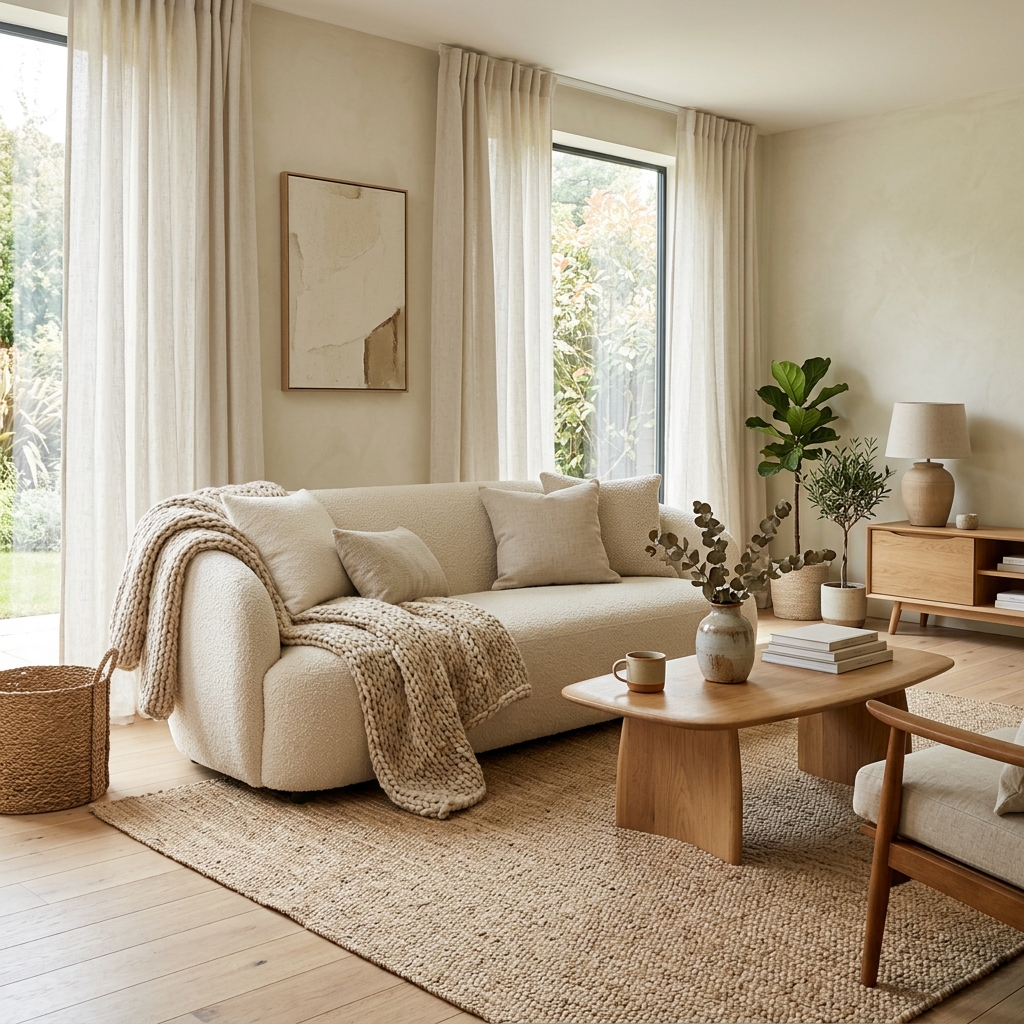
- White linen curtains
- Sheer voile panels
- Cotton gauze curtains
- Light beige drapes
These materials soften harsh sunlight while still allowing plenty of brightness inside.
Hang Curtains Higher
Mount curtain rods 6–12 inches above the window frame. This creates the illusion of taller windows and lets in more daylight when the curtains are open.
Extend the Curtain Rod
Allow curtains to stack outside the window instead of covering the glass. More exposed glass equals more incoming light.
4. Declutter Around Windows
Even small objects can reduce the amount of sunlight entering a room.
Take a close look at your windows.
Are they blocked by:
- Large plants?
- Bookshelves?
- Tall furniture?
- Decorative accessories?
Removing obstacles helps daylight spread farther into the room.
Rearrange Furniture
Avoid placing:
- Tall cabinets
- Entertainment centers
- Large armoires
- High bookshelves
directly in front of windows.
Instead, keep lower-profile furniture near windows and move taller pieces toward interior walls.
Clean the Windows
This simple task is often overlooked.
Dust, dirt, pollen, and water spots can noticeably reduce the amount of light entering your home.
Clean both the inside and outside of windows regularly for the brightest results.
5. Decorate with Reflective Materials
Your choice of décor can influence how much light moves around a room.
Reflective surfaces bounce daylight, while matte finishes absorb it.
Add Reflective Elements
Consider incorporating:
Shop the Look
- Glass tables
- Metallic picture frames
- Chrome accents
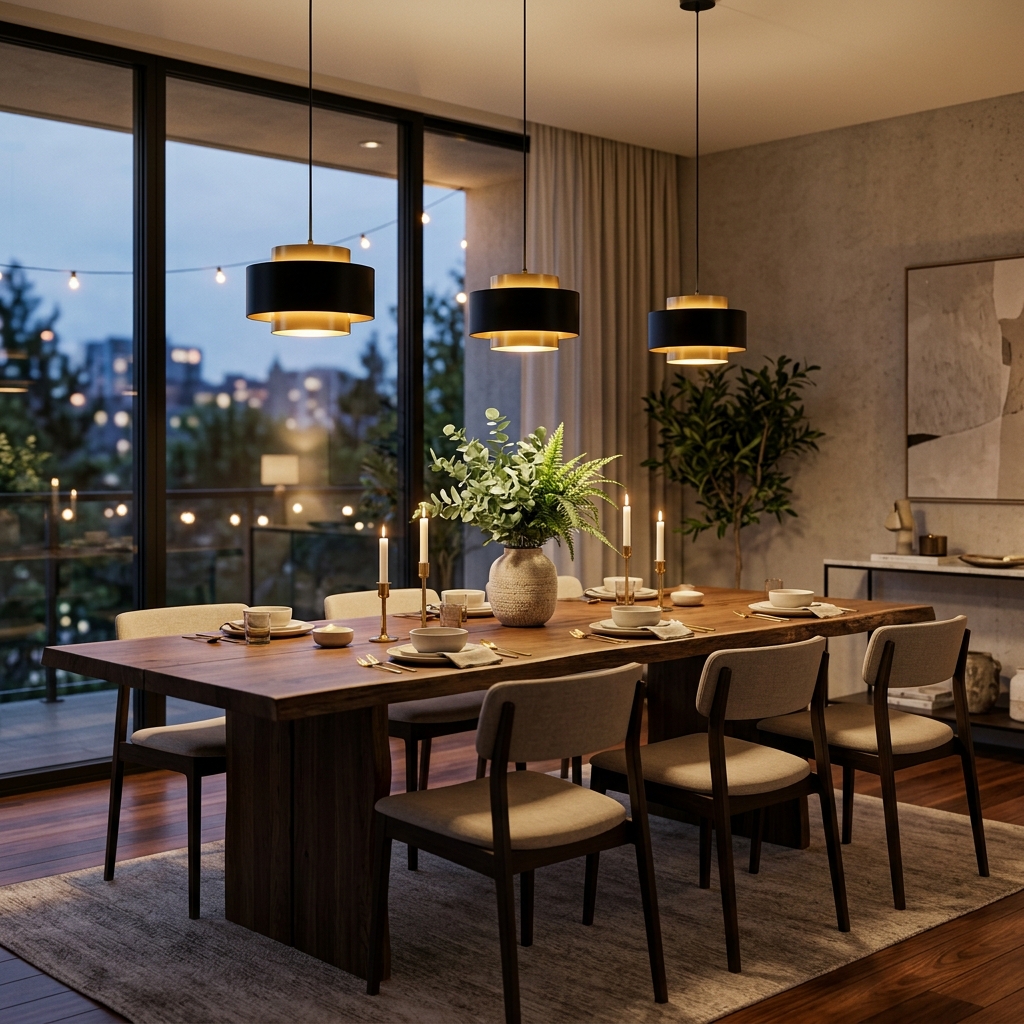
- Brass lighting fixtures
- Glossy ceramic vases
- Lacquered furniture
- Crystal décor
These pieces subtly amplify natural light without overwhelming the room.
Flooring Makes a Difference
If you’re renovating, lighter flooring can significantly brighten the space.
Popular options include:
- Light oak hardwood
- Whitewashed wood
- Pale laminate
- Light stone tiles
Area rugs in neutral tones also help reflect light while making the room feel cozy.
Bonus Tips to Brighten Any Dark Room
Beyond the five main strategies, a few additional design tricks can make a surprising difference.
Choose Slim Furniture
Bulky furniture blocks visual flow.
Opt for furniture with:
- Thin legs
- Open frames
- Glass tops
- Floating shelves
This allows light to move freely throughout the room.
Add Indoor Plants Wisely
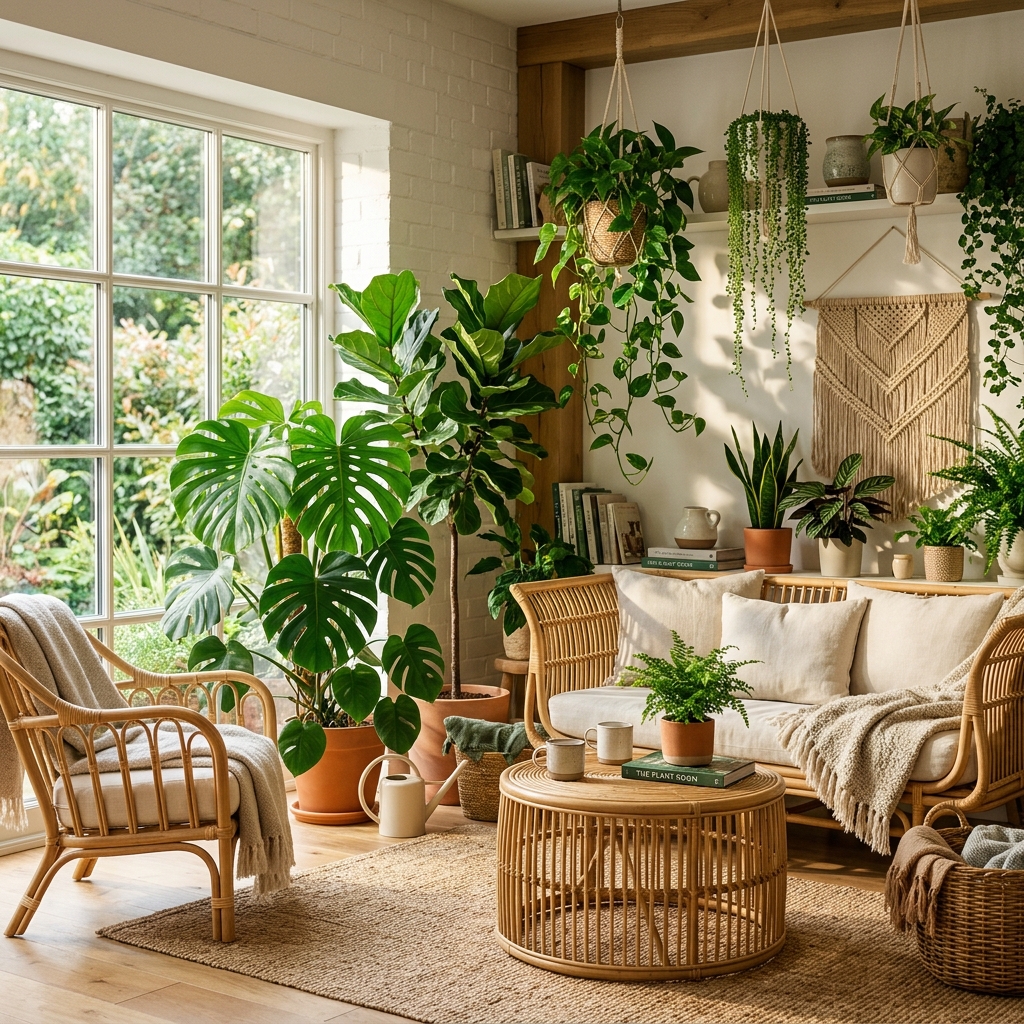
Plants add life to a room, but oversized plants placed directly in front of windows can block valuable sunlight.
Instead:
- Place large plants beside windows.
- Use smaller plants on windowsills.
- Hang trailing plants from the ceiling.
You’ll enjoy greenery without sacrificing natural light.
Keep Décor Minimal
Too many decorative objects create visual clutter and absorb light.
Focus on:
- Simple artwork
- Neutral textiles
- Open shelving
- Clean surfaces
A minimalist approach naturally enhances brightness.
Use Interior Glass Doors
If you’re remodeling, replacing solid interior doors with glass-paneled doors allows sunlight to travel between rooms.
Frosted glass is an excellent option for maintaining privacy while improving light flow.
Trim Outdoor Landscaping
Sometimes the problem isn’t inside your home.
Check whether:
- Tree branches
- Tall hedges
- Bushes
- Climbing vines
are blocking sunlight from reaching your windows.
Regular trimming can dramatically improve indoor brightness.
Common Mistakes That Make Rooms Feel Darker
Avoid these common decorating mistakes:
- Using charcoal or navy walls in small rooms
- Blocking windows with oversized furniture
- Hanging curtains too low
- Choosing dark rugs
- Filling shelves with excessive décor
- Neglecting dirty windows
- Using bulky window treatments
Correcting just one or two of these issues can noticeably improve natural light.
Frequently Asked Questions
Can mirrors really make a room brighter?
Yes. Mirrors reflect available sunlight throughout the room, making spaces feel brighter and larger without adding artificial lighting.
Which paint color reflects the most light?
Pure white reflects the highest amount of light. However, warm whites, ivory, and soft cream often create a more inviting atmosphere while still maximizing brightness.
Are sheer curtains better than blinds?
In many cases, yes. Sheer curtains diffuse sunlight while allowing more natural light to enter compared to heavy blinds or blackout curtains.
Does furniture color affect room brightness?
Absolutely. Light-colored furniture reflects more light, while dark furniture absorbs it and can make a room feel smaller and dimmer.
What if my room has only one small window?
Combine several techniques—such as adding a large mirror, painting walls a light color, using sheer curtains, and incorporating reflective décor—to maximize the available daylight.
Final Thoughts
Bringing more natural light into a dark room doesn’t always require expensive renovations or additional windows. Small, thoughtful changes—like positioning mirrors strategically, choosing lighter paint colors, swapping heavy curtains for sheer fabrics, keeping windows unobstructed, and decorating with reflective materials—can dramatically transform how a space looks and feels.
The best results come from combining several of these ideas rather than relying on just one. Over time, these simple updates can make your room feel brighter, more spacious, and more inviting while reducing your reliance on artificial lighting during the day.
Start with one or two changes this weekend, and you’ll likely notice an immediate improvement in the comfort and atmosphere of your home.