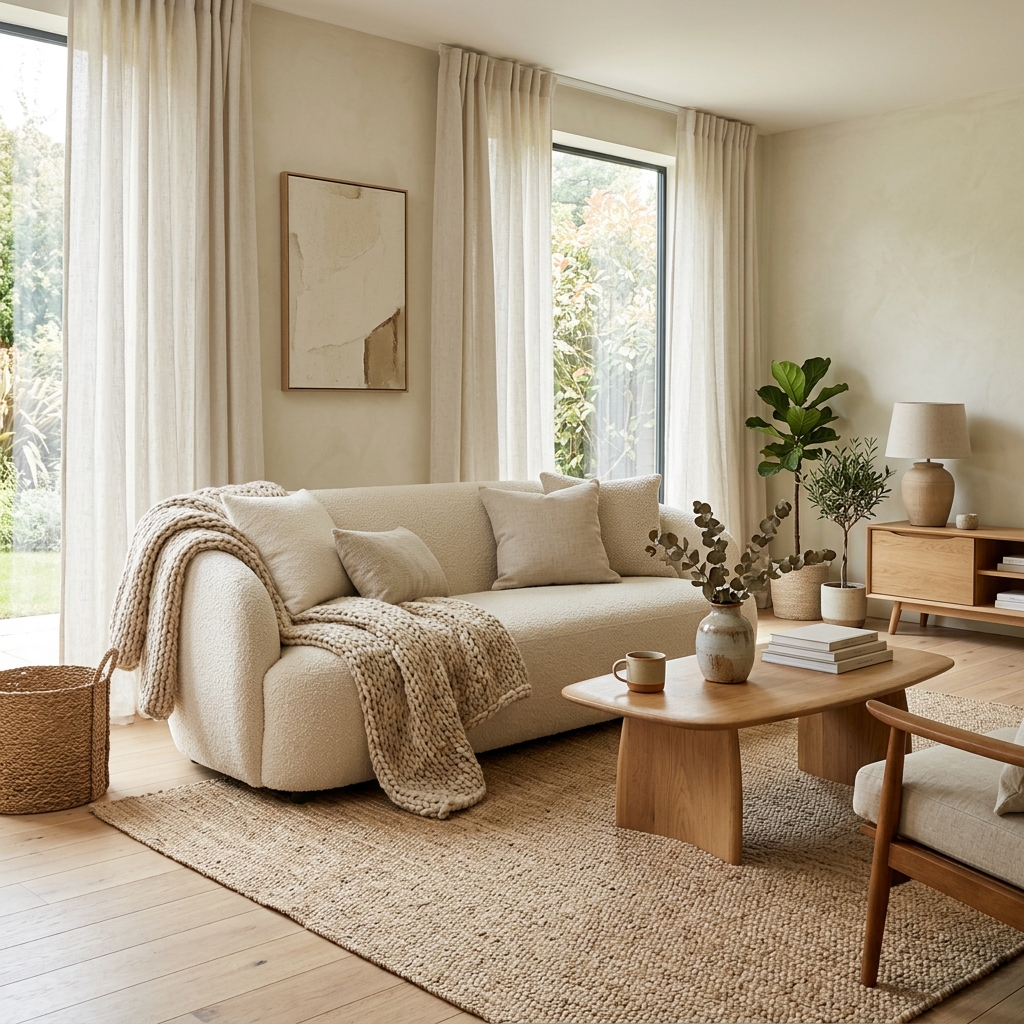
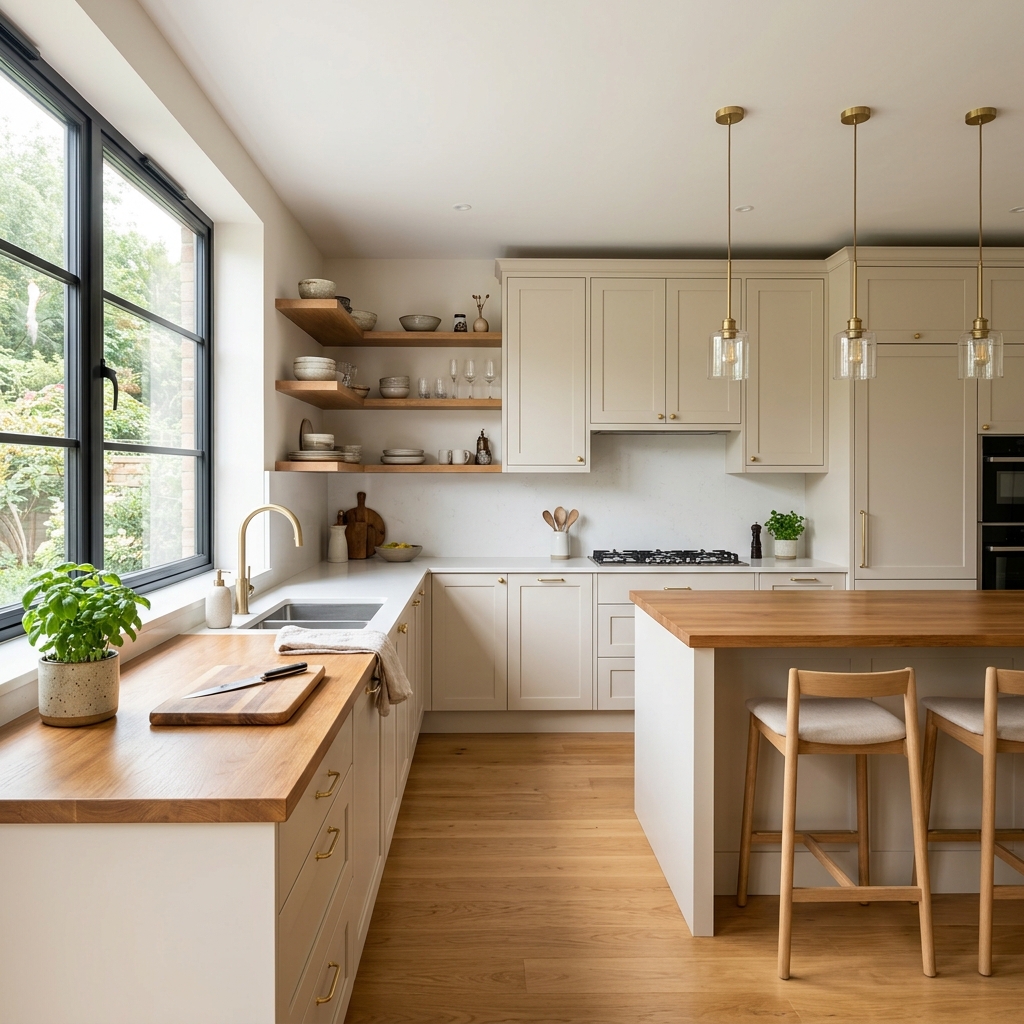
Studio apartment living requires a thoughtful approach. When your living room, bedroom, dining area, workspace, and sometimes even your entryway all exist in one open room, every design choice matters. The good news is that a small footprint does not have to feel cramped, chaotic, or visually exhausting. With the right minimalist studio apartment interior design ideas, even the tiniest home can feel calm, practical, and unexpectedly luxurious.
Minimalism is especially effective in studio apartments because it focuses on what small spaces need most: clarity, simplicity, and function. Instead of filling a room with too many pieces, minimalist design asks you to edit carefully, choose furniture with purpose, and create visual breathing room. That does not mean your apartment has to feel cold or empty. A well-designed minimalist studio feels warm, relaxed, and deeply livable, with every item contributing to the overall comfort and flow of the space.
Whether you are decorating your first studio, downsizing to a smaller home, or trying to make a compact rental feel more sophisticated, these ideas will help you create a home that looks larger, feels lighter, and stays easier to maintain. Below, you will find 12 practical, stylish, and highly adaptable minimalist design strategies that work beautifully in real small-space living.
Why Minimalism Works So Well in a Studio Apartment
Before diving into the ideas, it helps to understand why minimalist design is such a smart match for studio living. In larger homes, visual clutter can be hidden behind doors, spread across several rooms, or softened by distance. In a studio, everything is immediately visible. If one corner feels crowded, the entire apartment can feel crowded. If surfaces are overloaded, the whole space can seem smaller.
Minimalist design improves both appearance and function in a studio apartment. It reduces distractions, helps define priorities, and makes everyday routines smoother. A cleaner layout also allows natural light to travel farther, which instantly makes a small apartment feel more open.
At its best, minimalist design is not about deprivation. It is about intentionality. It means choosing the right sofa instead of adding three mismatched chairs. It means adding storage that disappears into the design instead of relying on baskets and bins in every corner. It means making a small home feel serene instead of stuffed.
If you want a studio apartment that feels easy to live in and easy to love, these ideas will help you get there.
1. Start with a Light, Unified Color Palette
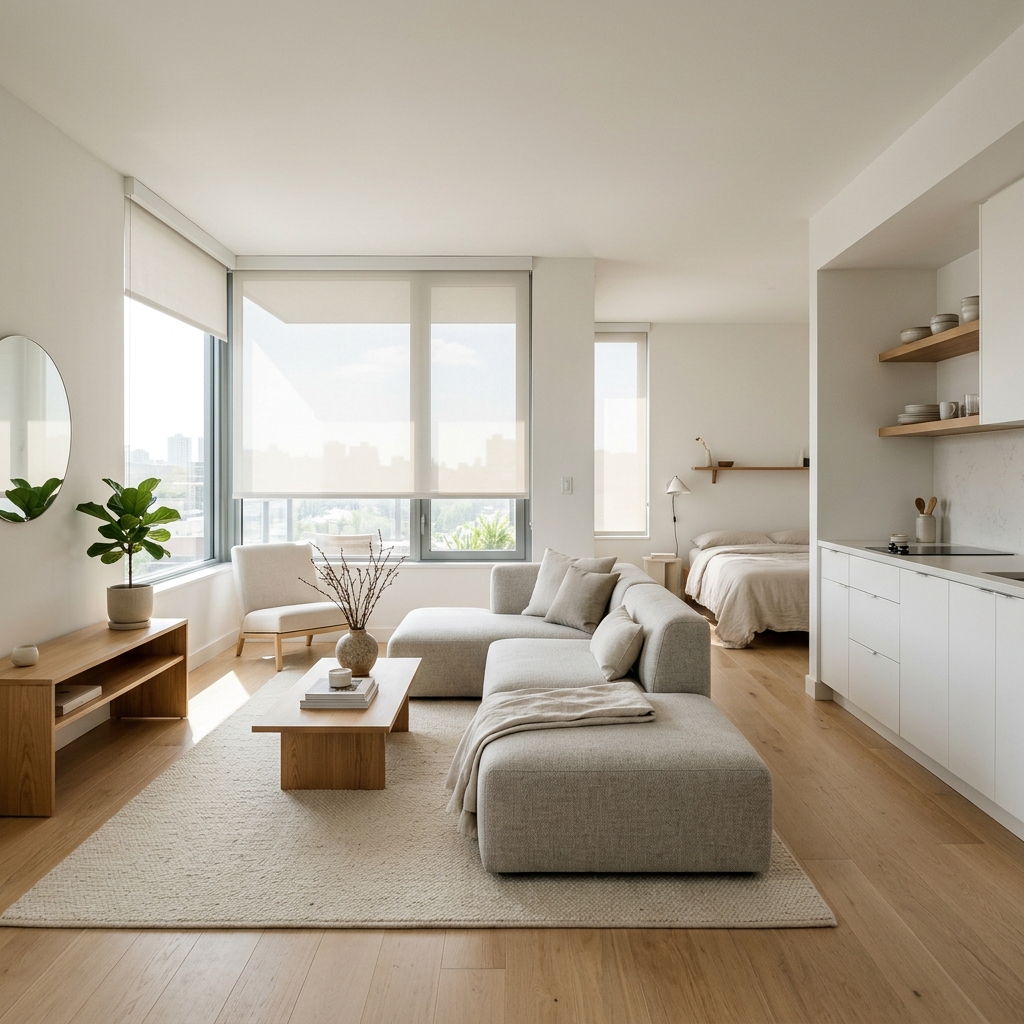
One of the easiest ways to visually enlarge a studio apartment is to use a cohesive color palette. Too many contrasting tones can make a single-room home feel chopped up and busy. A light, unified scheme creates continuity, and continuity makes a space feel larger.
Soft whites, warm beige, greige, pale taupe, muted sand, and light gray are ideal foundations for minimalist interiors. These tones reflect light well and create a peaceful backdrop for furniture, textiles, and decor. If an all-white space feels too stark for your taste, add warmth through natural wood, linen, soft clay tones, or matte black accents in very small doses.
The goal is not to make the apartment look flat. The goal is to make it feel visually calm.
Try keeping your major surfaces within the same tonal family:
- Walls in a soft neutral
- Curtains close to wall color
- Large furniture in light or mid-tone neutrals
- Rugs that blend rather than sharply contrast
- Bedding that coordinates with the rest of the room
When the eye can move smoothly across the apartment without abrupt breaks, the room feels more expansive. This is especially important in a studio, where your sleeping area and living area are always in view at the same time.
2. Choose Low-Profile Furniture to Open Up Sightlines
Furniture scale can make or break a studio apartment. Oversized couches, bulky recliners, and tall heavy bookcases can overwhelm a small room in seconds. Low-profile furniture is a favorite strategy in minimalist interiors because it keeps the visual center of gravity lower and preserves open sightlines across the space.
A sofa with a streamlined frame, visible legs, and a lower back instantly feels lighter than a deep, overstuffed sectional. The same is true for beds with simple platforms, compact lounge chairs, and floating media consoles. When furniture sits lower and occupies less visual weight, the ceiling feels taller and the room feels less crowded.
Look for pieces with these qualities:
- Slim arms instead of rolled bulky sides
- Raised legs that expose more floor area
- Clean lines and minimal ornamentation
- Shallow depth where possible
- Open or airy frames in wood or metal
In small studio apartments, visual space matters almost as much as physical space. Even if two sofas are technically the same width, the one with lighter proportions will usually make the room feel more generous.
Low-profile furniture also pairs beautifully with minimalist styling because it encourages restraint. Rather than dominating the room, it supports the architecture, light, and overall flow.
3. Invest in Multipurpose Pieces That Work Harder
Minimalism in a studio apartment does not mean owning less for the sake of owning less. It means choosing pieces that do more. Multipurpose furniture is essential when every square foot has to justify itself.
A storage ottoman can serve as a coffee table, extra seating, and hidden blanket storage. A dining table can function as a desk. A daybed or sleeper sofa can help separate lounging from sleeping if you do not want a traditional bed dominating the room. Nesting tables can expand when guests arrive and tuck away when you need floor space.
Some of the most useful multifunctional pieces for a minimalist studio include:
- A bed frame with built-in drawers
- A bench with concealed storage
- A drop-leaf dining table
- A wall-mounted desk
- A modular sofa with movable sections
- A console table that doubles as a work surface
The beauty of multipurpose furniture is that it reduces the total number of items you need. Fewer pieces mean less crowding, less visual noise, and easier cleaning. That is a direct win for both minimalism and small-space comfort.
When shopping, ask one simple question: can this item solve at least two needs? If the answer is yes, it is much more likely to earn its place in your studio apartment.
[ARTICLE_000002_IMAGE_02]
4. Define Separate Zones Without Building Heavy Divisions
One of the biggest challenges in a studio apartment is making a single room feel like it contains different functions. Without some sense of zoning, the apartment can feel unfinished or messy, even when it is tidy. The minimalist solution is to define areas subtly, without closing off the room or interrupting light.
You do not need full walls to create separation. In fact, solid dividers often make a small apartment feel tighter. Instead, use lighter design tools that create visual boundaries while keeping the apartment open.
Effective ways to zone a studio apartment include:
- Placing an area rug under the living zone
- Using an open bookshelf as a semi-divider
- Positioning the sofa with its back facing the bed
- Hanging ceiling-mounted curtains around the sleeping area
- Using a glass partition or slatted wood screen
- Creating different lighting layers for each zone
For example, a rug, compact sofa, and floor lamp can establish a clear living room area, while a platform bed, linen bedding, and a small side table define the sleeping zone. Even if everything exists in one room, these small cues tell the eye that the space has structure.
Good zoning makes a studio apartment feel intentional rather than improvised. It helps preserve privacy, improves flow, and gives each daily activity its own visual home.
5. Maximize Vertical Space from Floor to Ceiling
When floor space is limited, the smartest direction to go is up. Vertical storage is one of the most powerful minimalist design ideas for small studio apartments because it keeps essentials organized without spreading clutter horizontally across the room.
Tall shelving, wall-mounted cabinets, floating shelves, peg rails, and high wardrobe units can all take pressure off your floors. The trick is to use vertical storage in a way that still feels clean and controlled. Too many shelves packed with random objects can make the room look even busier.
To keep vertical storage minimalist and effective:
- Use matching containers or baskets for smaller items
- Leave some negative space on shelves
- Store practical everyday items behind closed doors
- Reserve open shelving for a few beautiful essentials
- Choose built-ins or wall-colored units when possible
A floor-to-ceiling wardrobe can replace multiple smaller dressers. A floating shelf above a desk can hold office supplies without taking up surface space. Hooks near the entry can manage coats and bags without requiring a bulky hall tree.
Vertical thinking changes how a studio works. Instead of asking where you can squeeze one more item, you begin designing the apartment in layers. That creates more breathing room at eye level and underfoot, which immediately helps the apartment feel more open.
6. Conceal Everyday Clutter Behind Seamless Storage
Minimalist interiors look effortless, but they stay that way because clutter has somewhere to go. In a studio apartment, where there are few doors and limited hidden zones, concealed storage becomes essential.
Open baskets and decorative trays can be useful in moderation, but too many visible storage solutions still contribute to visual noise. A cleaner approach is to use storage that blends into the design: beds with drawers, handleless cabinets, built-in wardrobes, under-bench compartments, lift-top coffee tables, and closed media units.
If you can hide the daily mess, the entire apartment instantly feels calmer.
Think about the categories that typically create clutter in a studio:
- Extra bedding and pillows
- Seasonal clothing
- Cleaning supplies
- Paperwork and electronics
- Kitchen overflow
- Workout gear or hobby supplies
Now assign each category a concealed home. This is what transforms minimalist style from a visual idea into a practical lifestyle. When storage is built into your furniture and layout, tidying up takes minutes instead of becoming a major project.
Neutral-colored cabinets, flush fronts, and integrated storage pieces are especially effective because they recede into the background. In a studio apartment, that subtlety matters. You want storage to solve problems without announcing itself in every direction.
[ARTICLE_000002_IMAGE_03]
Shop the Look
7. Let Natural Light Guide the Layout
Natural light is one of the most valuable features in any small apartment. It can make a modest studio feel fresh, spacious, and inviting. When designing a minimalist interior, it is worth arranging the apartment to support the flow of light rather than blocking it.
Start by identifying where daylight enters most strongly. That area is often the best place for your main living zone, reading chair, or work table. Avoid placing tall dark furniture directly in front of windows if possible. Use sheer curtains, light-filtering blinds, or simple linen panels that provide privacy without shutting out brightness.
Here are a few ways to make the most of natural light:
- Keep window treatments minimal and airy
- Use reflective finishes sparingly, such as glass or light wood
- Choose furniture with open bases and lighter silhouettes
- Place mirrors where they can bounce daylight deeper into the room
- Keep windowsills uncluttered
A bright studio apartment always feels bigger than a dim one. Even if your square footage stays the same, light improves the perceived size of the room and supports the crisp, clean atmosphere that minimalist design is known for.
If your studio lacks strong natural light, compensate with layered artificial lighting. Use warm white bulbs and combine overhead lighting with floor lamps, task lights, and soft accent lighting so the apartment never feels flat or shadowy.
8. Use Mirrors Strategically Instead of Excess Decor
Mirrors are one of the oldest small-space tricks for a reason: they work. In a minimalist studio apartment, a well-placed mirror can expand the sense of space, amplify natural light, and add elegance without introducing clutter.
The key is to use mirrors intentionally. One larger mirror often does more than several small ones. A full-length mirror leaning against a wall can make a narrow area feel taller. A mirror placed across from a window can reflect daylight and brighten the room. A mirrored cabinet can be useful in a bathroom or entry while still keeping the look sleek.
Consider these minimalist-friendly mirror placements:
- Behind a dining nook to visually widen the area
- Near a window to maximize daylight reflection
- At the entry to open up a compact transition zone
- Beside a wardrobe for function and scale
- Above a low console for a polished focal point
Choose frames that align with your overall design language. Thin black metal, pale oak, or frameless styles tend to work well in minimalist interiors. Avoid overly ornate frames that compete with the simplicity of the space.
Mirrors are especially helpful in studios because they create the impression of depth without taking up extra room. That makes them one of the smartest decor choices you can make when square footage is limited.
9. Keep Decor Intentional, Sparse, and Properly Scaled
Minimalist design is often misunderstood as having no personality. In reality, it is about making sure each decorative choice has impact. In a small studio apartment, a few carefully selected pieces will always work better than dozens of tiny accessories scattered around.
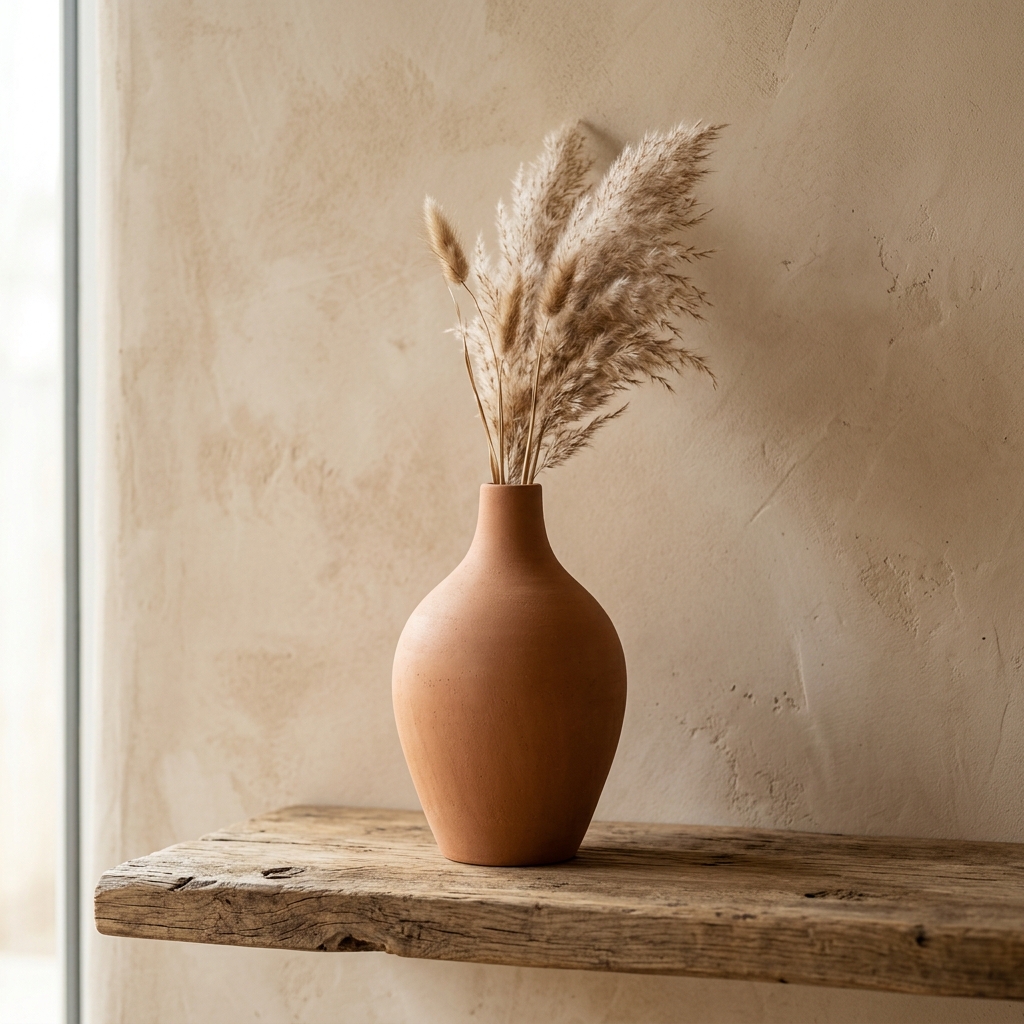
Instead of filling every surface, focus on a limited number of meaningful elements. A large-scale art print, a sculptural lamp, one ceramic vase, a linen throw, and a beautiful coffee table book may be all you need. These details add warmth and style without crowding the apartment.
Scale matters just as much as quantity. Many small decor pieces can make a room feel fussy and fragmented. A few larger, simpler pieces often create a cleaner and more sophisticated look.
When styling a minimalist studio, remember these principles:
- Leave empty space on shelves and tabletops
- Repeat colors and materials for consistency
- Favor quality over quantity
- Display only items you truly love or use
- Edit seasonally to prevent buildup
Minimalist decor should feel deliberate, not unfinished.
Plants can also work beautifully in minimalist interiors, especially one or two sculptural varieties such as a snake plant, olive tree, or pothos. They add softness and life without overwhelming the room. Just keep the number limited and choose simple planters that fit your palette.
[ARTICLE_000002_IMAGE_04]
10. Streamline the Kitchen and Dining Area
In many studio apartments, the kitchen is either fully visible from the living space or squeezed into one wall. That means it plays a big role in the overall look of the apartment. A cluttered kitchen can quickly undo the calm effect of an otherwise minimalist design.
Start by keeping countertops as clear as possible. Store appliances you do not use daily. Use matching containers for pantry staples if you have open shelving. Replace a collection of mismatched utensils and organizers with a smaller number of simple, functional pieces.
If you have room for dining, choose a compact table with a light footprint. Round pedestal tables, drop-leaf designs, or slim bistro-style sets are excellent options. Dining chairs should tuck neatly underneath and ideally echo the lines of the rest of your furniture.
To maintain a minimalist kitchen and dining zone:
- Limit counter items to true essentials
- Use one cohesive finish for storage containers
- Hang frequently used tools neatly instead of scattering them
- Choose stackable or nesting dishware when possible
- Use under-cabinet lighting to brighten the area
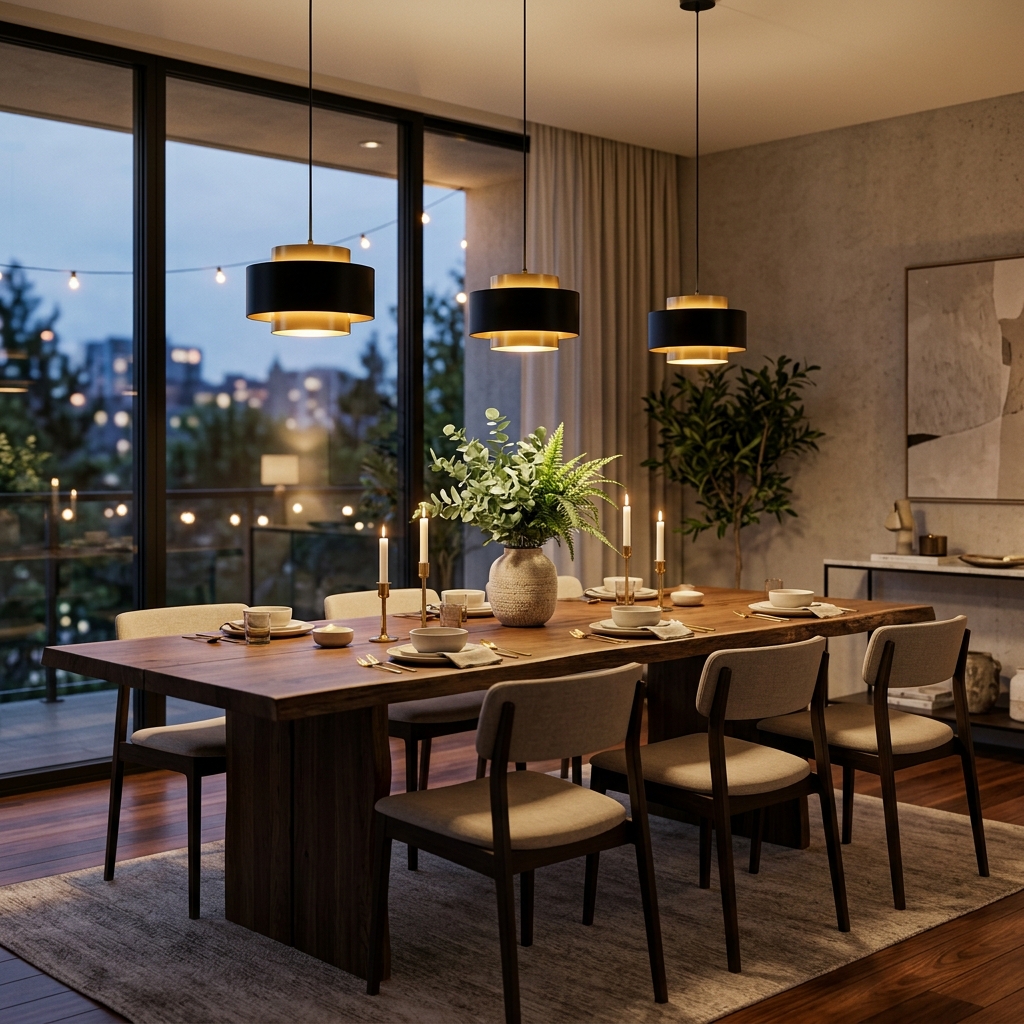
Even a tiny eat-in corner can feel elevated if it is edited well. A small vase, one pendant light, and two well-chosen chairs may be all the styling it needs. In a studio apartment, less really does allow the best features to stand out.
11. Layer Texture Instead of Adding More Objects
If you worry that minimalist design will make your studio apartment feel sterile, texture is the answer. Texture adds depth, warmth, and comfort without increasing clutter. It allows you to keep the overall space visually quiet while still making it feel rich and inviting.
Think in terms of materials rather than more decor. A nubby wool rug, washed linen bedding, light oak furniture, matte ceramic accessories, boucle upholstery, woven baskets, and a soft cotton throw can all add character. These layers create interest through touch and finish rather than through excess color or busy ornament.
This strategy is especially useful in a neutral studio apartment. When the palette is restrained, texture prevents the room from feeling one-dimensional. The apartment still looks minimalist, but it also feels warm, human, and lived in.
Beautiful textures to mix in a small minimalist studio include:
- Linen curtains or bedding
- Natural wood furniture
- Flatweave or wool rugs
- Stone, plaster, or ceramic accents
- Soft boucle or cotton upholstery
- Brushed metal or matte black details
The best minimalist spaces rely on subtle variation, not visual overload. By layering a few complementary textures, you can create a cozy apartment that still feels clean and uncluttered.
12. Create a Daily Reset System That Keeps the Space Minimal
Even the best-designed studio apartment can start feeling chaotic if there is no system for maintaining it. Minimalism is not only about how you decorate. It is also about how you live in the space every day.
A daily reset routine is one of the most underrated small-space design tools. When you spend five to ten minutes returning items to their designated places, clearing surfaces, folding throws, and putting away dishes, your studio stays aligned with the calm aesthetic you worked to create.
Because studios are open-plan, clutter spreads visually very fast. A laptop on the dining table, shoes by the bed, unopened mail on the counter, and a jacket over a chair can make the whole apartment feel unsettled. Small habits prevent that buildup.
Build your reset system around your real life:
- Use a tray or drawer for daily essentials near the entry
- Keep a basket for quick evening pickup
- Make your bed every morning to define the sleeping zone
- Clear kitchen counters before bed
- Return work items to a closed cabinet or desk drawer
- Edit possessions regularly so storage does not overflow
This final idea may not sound as glamorous as choosing furniture or styling shelves, but it is what allows minimalist design to function beautifully over time. In a small apartment, maintenance is part of the design strategy.
[ARTICLE_000002_IMAGE_05]
Putting It All Together in Your Studio Apartment
You do not need to apply every minimalist design idea at once to transform your studio apartment. In fact, the best results often come from making a few strategic changes that solve your biggest pain points first. If your apartment feels visually chaotic, start with color palette and concealed storage. If it feels cramped, focus on low-profile furniture, zoning, and lighting. If it feels plain, add texture and a few carefully scaled decor pieces.
Here is a simple order of operations that works well for many small spaces:
- Declutter and edit what you own
- Choose a cohesive neutral palette
- Upgrade to lighter, better-scaled furniture
- Add hidden storage and multifunctional pieces
- Define zones for living, sleeping, dining, and working
- Refine lighting, mirrors, and finishing details
The beauty of minimalist studio apartment design is that it supports real life. It helps you move more easily, clean more quickly, and enjoy your home more fully. A small apartment can absolutely feel stylish, restful, and complete when every element has intention behind it.
Ultimately, minimalism is less about removing everything and more about making room for what matters. In a studio apartment, that means more light, more order, more flexibility, and more peace. By using these 12 ideas as your guide, you can create a small space that feels far larger than its square footage and far more beautiful than its limitations suggest.
Final Thoughts
Designing a studio apartment is an exercise in balance. You want comfort without crowding, style without clutter, and function without sacrificing beauty. Minimalist design offers one of the most effective paths to that balance because it asks every item in the room to contribute something useful, calming, or visually meaningful.
Whether you are working with a tiny urban rental or a compact guest studio, these principles can help you create a home that feels intentional from every angle. Keep the palette cohesive, choose furniture wisely, store things out of sight, and let simplicity become a strength rather than a compromise. Small-space living can be incredibly chic when it is thoughtfully done.
If you approach your studio with restraint, creativity, and a clear plan, you will end up with more than a trendy aesthetic. You will have a home that supports your routines, reflects your taste, and feels serene every single day.