
How to Create a Beautiful, Comfortable, and Functional Home: The Complete Home Decor Guide
Your home should do more than simply look good. It should support your lifestyle, reflect your personality, and make everyday living easier and more enjoyable. Whether you are decorating a brand-new space, refreshing a single room, or planning a full home makeover, thoughtful home decor can dramatically improve how your home feels and functions.
In this detailed guide, we’ll explore the essentials of creating a stylish and practical home, from choosing a color palette and furniture layout to layering lighting, adding texture, and styling each room with intention. If you’re searching for timeless home decor ideas, practical design tips, and inspiration for creating a cohesive interior, this article will help you get started.

Why Home Decor Matters
Home decor is about more than aesthetics. A well-decorated space can influence mood, improve comfort, boost productivity, and even help you stay organized. Great interior styling balances beauty with purpose, ensuring every room serves its intended use while still feeling welcoming and visually appealing.
Thoughtful decorating can help you:
- Create a home that reflects your personality and lifestyle
- Improve room flow and functionality
- Make small spaces feel larger and more efficient
- Add warmth, comfort, and visual interest
- Increase the perceived value of your home
Start with a Clear Home Decor Style
Before buying furniture, paint, or accessories, it helps to define your preferred decor style. This creates direction and makes decision-making much easier. While many homes mix influences, having a dominant style can keep your interiors feeling cohesive.
Popular Home Decor Styles
- Modern: Clean lines, minimal clutter, sleek finishes, and neutral color palettes.
- Contemporary: Ever-evolving style that reflects current trends with polished simplicity.
- Farmhouse: Cozy, rustic, and inviting with natural wood, soft textiles, and vintage-inspired details.
- Scandinavian: Light, airy, functional, and minimalist with warm textures and soft tones.
- Bohemian: Eclectic, layered, artistic, and relaxed with patterns, plants, and global influences.
- Traditional: Classic furnishings, symmetry, elegant details, and rich textures.
- Transitional: A balanced blend of traditional warmth and modern simplicity.
If you are unsure which style suits you best, save inspiration images and look for common themes. You may notice recurring preferences such as warm neutrals, natural materials, or minimalist furniture. These clues can guide your overall design direction.
Choose a Cohesive Color Palette
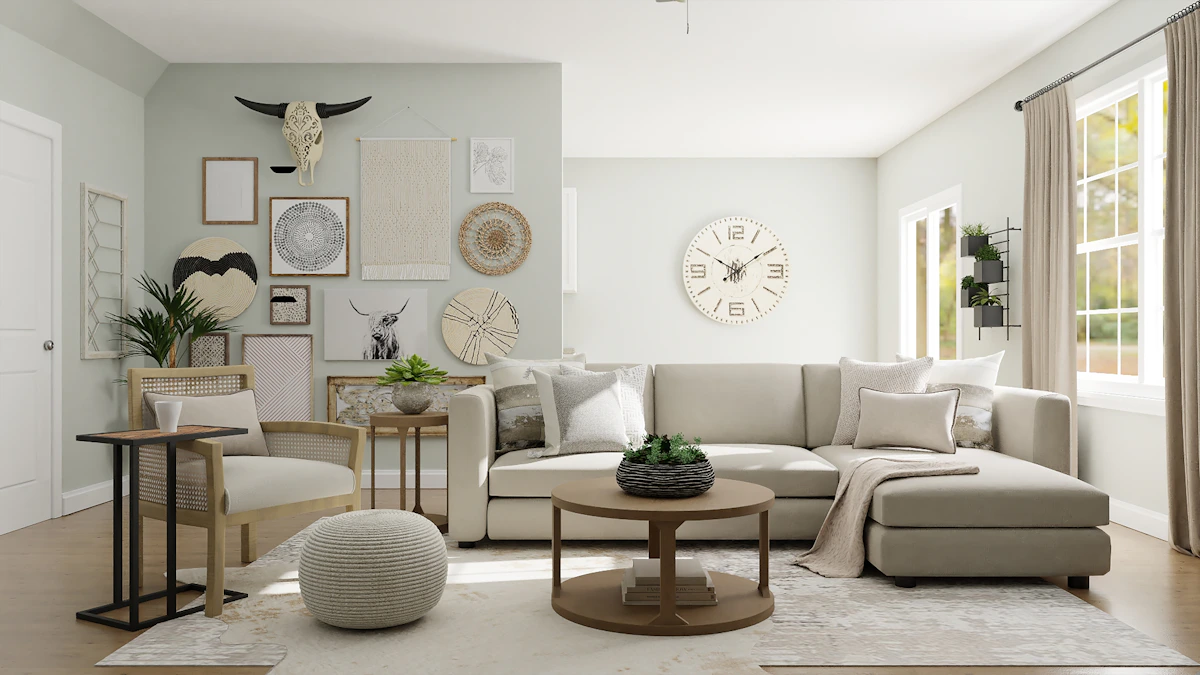
Color is one of the most powerful tools in home decor. It sets the tone for each room and creates flow throughout the house. A cohesive color palette does not mean every room must look the same, but there should be enough harmony to make the entire home feel connected.
Tips for Selecting Colors
- Start with a base of neutrals such as white, beige, gray, taupe, or soft greige.
- Add one or two accent colors to bring personality and contrast.
- Use deeper tones in moderation for depth and sophistication.
- Consider how natural and artificial light affect color throughout the day.
- Repeat key shades in different rooms for visual continuity.
For example, a palette of warm white walls, light oak wood tones, soft sage accents, and matte black details can feel fresh, timeless, and easy to build upon. In contrast, a palette with charcoal, cream, brass, and deep navy creates a moodier, more dramatic effect.
Focus on Furniture That Fits the Room
One of the most common decorating mistakes is choosing furniture that is too large or too small for a space. Proportion matters. A room should feel balanced, with enough open space for movement and enough furnishing to feel comfortable and complete.
How to Choose the Right Furniture
- Measure your room before shopping
- Map out furniture placement to ensure good flow
- Select pieces that suit the room’s primary function
- Mix larger anchor pieces with lighter accent furniture
- Prioritize comfort and durability for everyday use
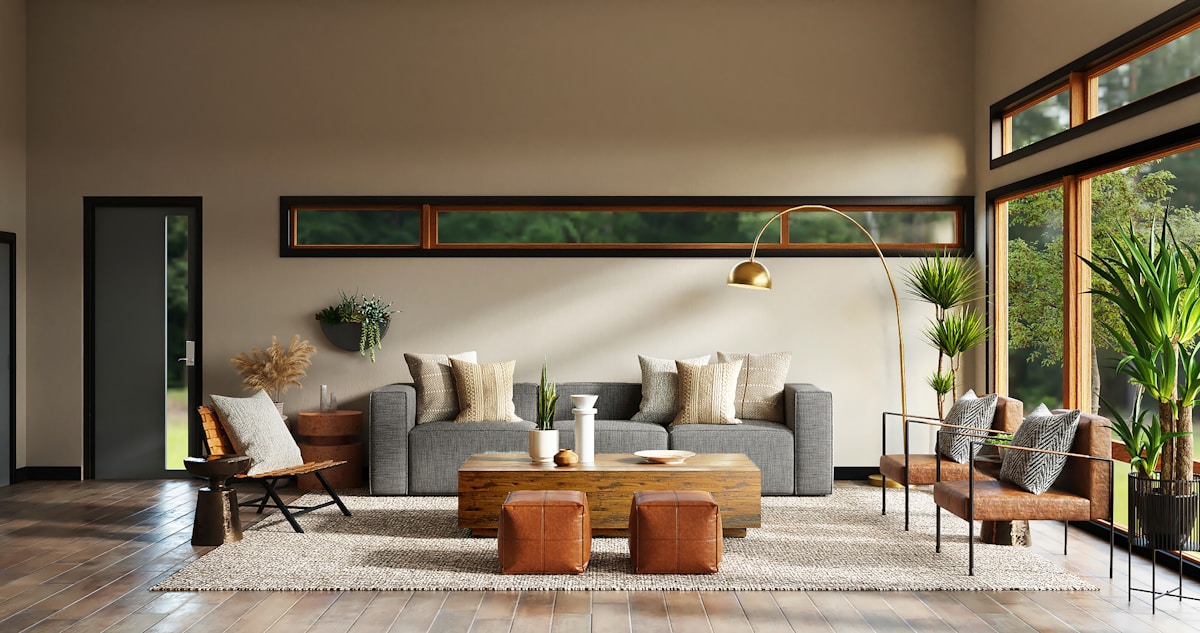
In a living room, the sofa is often the main anchor piece. Choose one that fits the scale of the room and leaves enough clearance around it. Pair it with a coffee table that is appropriately sized and side tables that add convenience without overcrowding the space.
In a bedroom, the bed naturally becomes the focal point. A properly sized headboard, coordinated nightstands, and a bench or accent chair can help create a polished and balanced arrangement.

Use Lighting to Transform the Atmosphere
Lighting is often overlooked, yet it is one of the most important aspects of home decor. The right lighting can make a room feel larger, warmer, more inviting, and more functional.
The Three Types of Lighting
- Ambient lighting: General room lighting such as ceiling fixtures, recessed lights, or flush mounts.
- Task lighting: Focused lighting for reading, cooking, working, or grooming.
- Accent lighting: Decorative lighting that highlights art, architectural features, or styled surfaces.
A well-designed room typically uses all three layers. For example, in a living room, you might combine an overhead fixture with table lamps and a floor lamp. In a kitchen, ambient recessed lights can be paired with under-cabinet task lighting and pendant lights over an island.
Warm white bulbs are often best for creating a cozy residential atmosphere. Dimmers are another valuable upgrade, allowing you to adjust brightness for different moods and activities.
Add Texture for Warmth and Depth
Even the most beautiful color palette can feel flat without texture. Texture adds dimension and makes a room feel layered, comfortable, and complete. This is especially important in neutral interiors, where the visual interest often comes more from materials than from bold color contrasts.
Ways to Introduce Texture
- Layer throw blankets and decorative pillows
- Use rugs with soft pile or woven patterns
- Incorporate wood, stone, linen, leather, glass, and metal
- Add window treatments such as curtains in natural fabrics
- Mix matte and glossy finishes for contrast
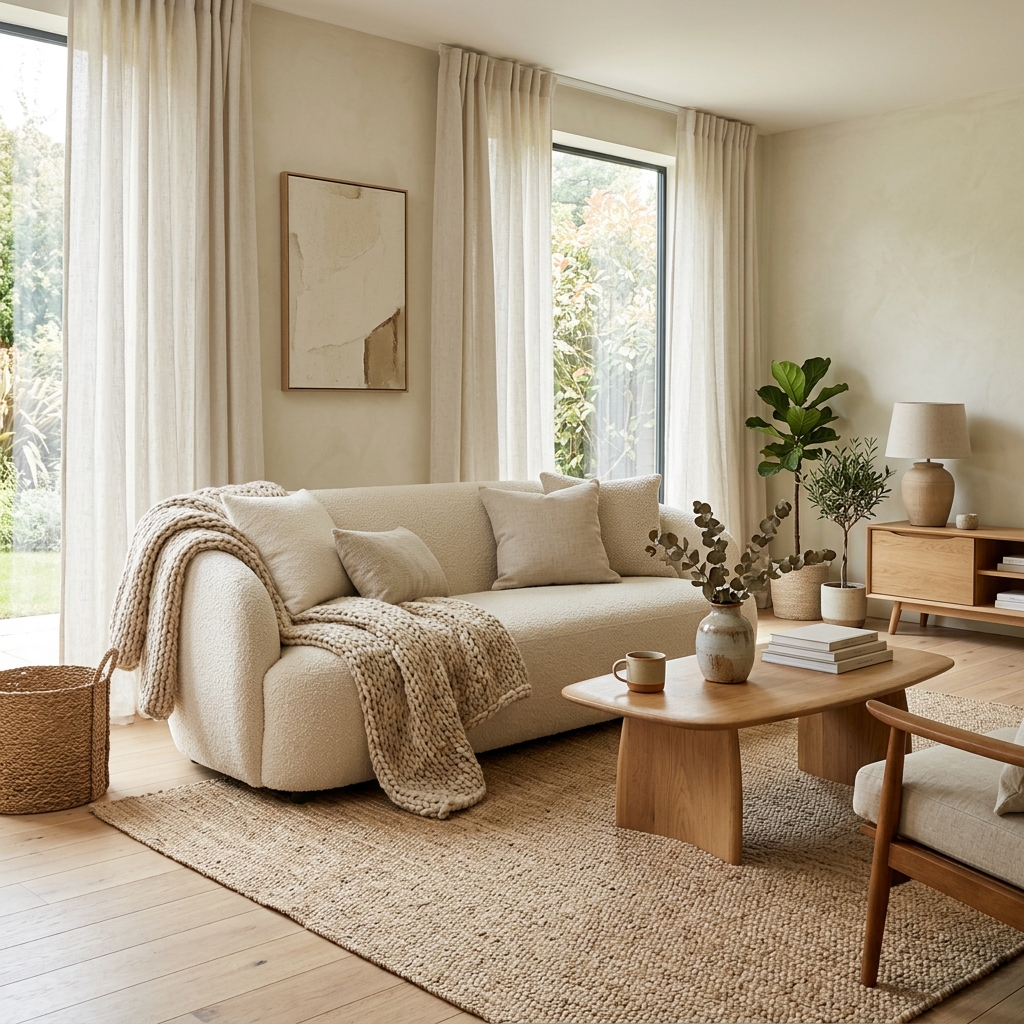
For instance, a neutral sofa becomes much more inviting when styled with linen pillows, a chunky knit throw, and a nearby woven basket. Similarly, a dining area can be elevated through the combination of a wood table, upholstered chairs, ceramic decor, and a statement light fixture.

Decorate with Purpose, Not Clutter
Accessories are what make a home feel personal, but too many can create visual clutter. The key is to decorate intentionally. Rather than filling every shelf or surface, choose meaningful pieces that contribute to the overall look and story of the room.
Decor Elements That Make an Impact
- Framed artwork and wall decor
- Decorative vases and bowls
- Books and coffee table styling pieces
- Candles and diffusers
- Plants and fresh greenery
- Mirrors to reflect light and add dimension
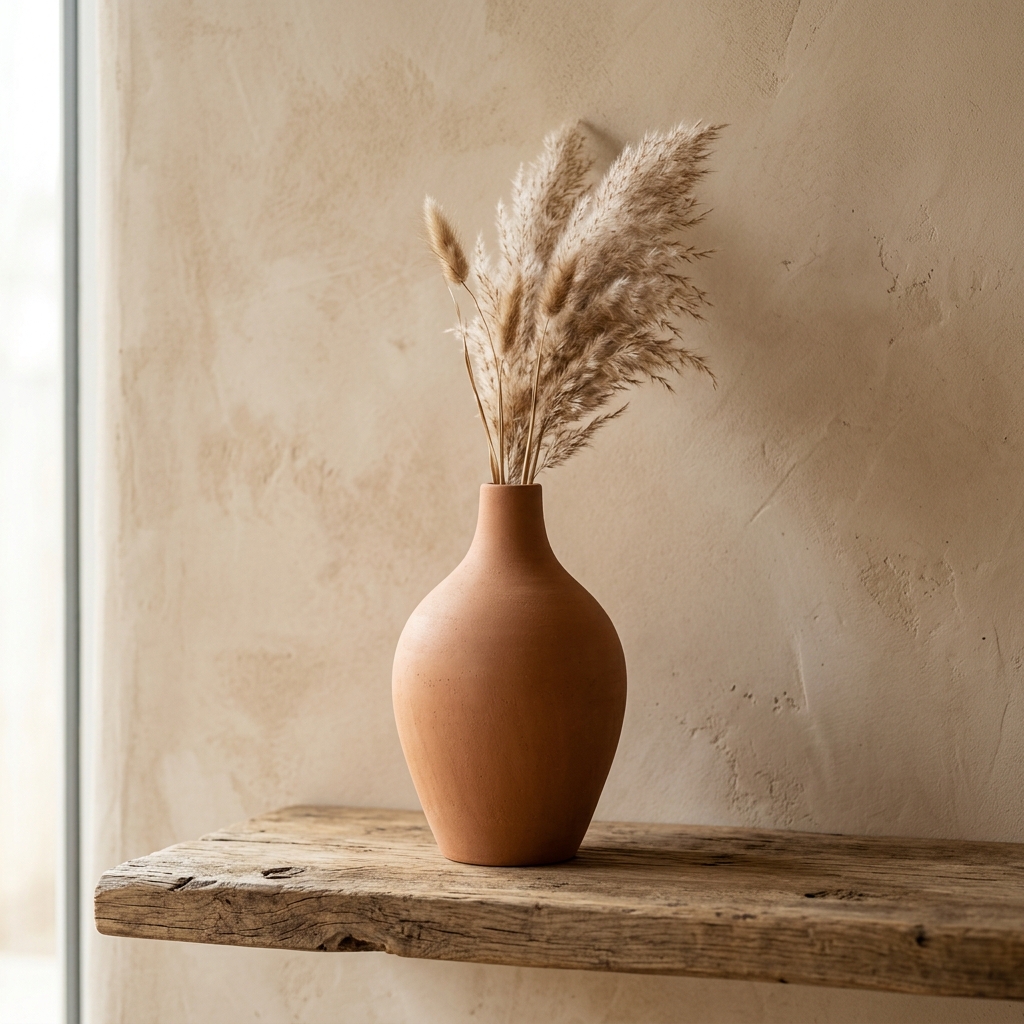
When styling shelves, sideboards, or coffee tables, vary height, shape, and material. Grouping items in threes often creates a balanced arrangement. Leave some negative space so the eye has room to rest.
Shop the Look
Room-by-Room Home Decor Tips
Living Room Decor Ideas
The living room is often the central gathering place of the home, so it should feel comfortable, stylish, and practical.
- Anchor the seating area with an appropriately sized rug
- Arrange furniture to encourage conversation
- Include layered lighting for different activities
- Use pillows and throws to soften the space
- Add personal decor through art, books, and accessories
Bedroom Decor Ideas
A bedroom should feel restful and serene. Soft colors, plush textiles, and minimal clutter can help create a peaceful environment.
- Choose quality bedding for both comfort and style
- Use bedside lamps for soft, functional lighting
- Add an area rug for warmth underfoot
- Keep surfaces tidy and intentionally styled
- Incorporate blackout curtains if better sleep is a priority
Kitchen Decor Ideas
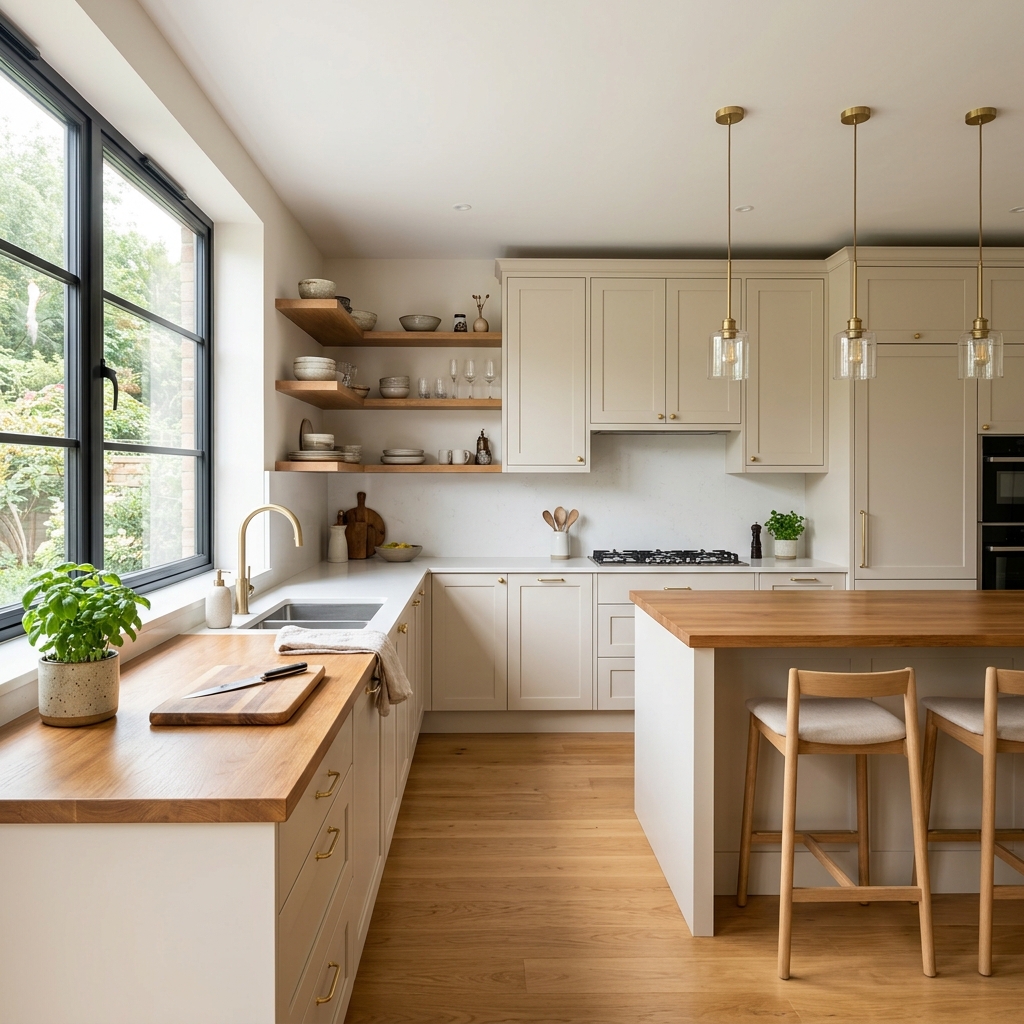
Kitchens need to be highly functional, but they can also be beautifully styled. Small decor updates can make a big impact without compromising utility.
- Display attractive everyday items like cutting boards or ceramic bowls
- Add bar stools that complement the overall design style
- Use pendant lighting as a visual focal point
- Introduce warmth through wood accents and textiles
- Keep countertops mostly clear for a clean, polished appearance

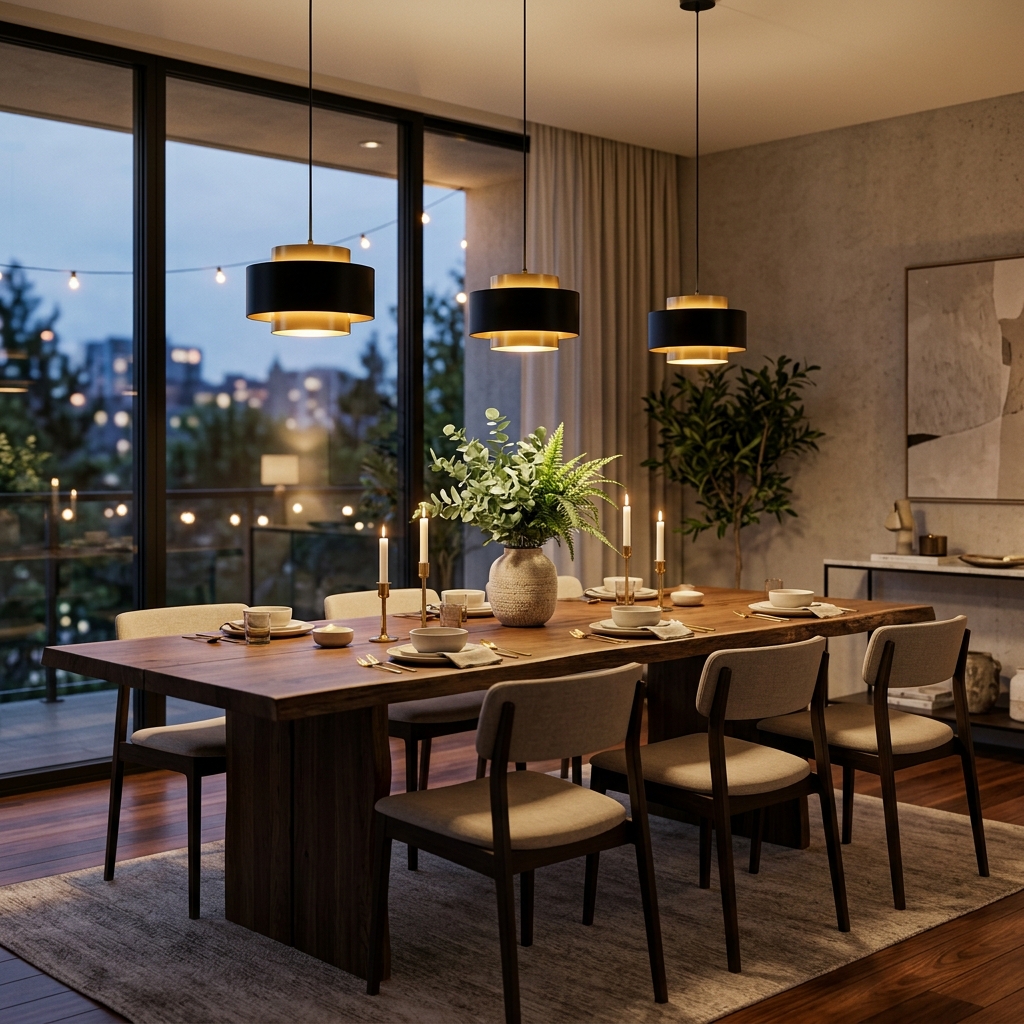
Dining Room Decor Ideas
The dining room should feel inviting and slightly elevated, whether used daily or reserved for special occasions.
- Center the space with a statement light fixture
- Use a rug to define the dining area if space allows
- Style the table simply with a vase, bowl, or candles
- Add artwork or a mirror to create visual interest
- Choose comfortable seating for long meals and gatherings
Bathroom Decor Ideas
Bathrooms may be smaller than other rooms, but they still deserve attention. Well-chosen decor can make them feel more luxurious and organized.
- Use coordinated towels and bath accessories
- Add a mirror that enhances light and style
- Bring in texture with baskets or bath mats
- Display a candle or small plant for a spa-like touch
- Keep storage solutions attractive and practical
Don’t Forget the Power of Rugs and Window Treatments
Rugs and curtains are often the finishing touches that tie a room together. They soften hard surfaces, improve acoustics, add pattern and texture, and make a room feel more complete.
Rug Tips
- Choose a rug large enough to ground the furniture
- Use soft, durable materials suited to the room’s traffic
- Consider subtle patterns for added interest without overwhelming the space
Curtain Tips
- Hang curtains higher and wider to make windows look larger
- Select fabrics that match the room’s mood and function
- Use lined panels for better light control and a more tailored look
Bring Life Indoors with Plants
Houseplants are one of the easiest ways to make a home feel fresh and vibrant. They add color, softness, and an organic element that complements almost every decor style.
Some popular indoor plants include:
- Snake plant
- Pothos
- ZZ plant
- Monstera
- Fiddle leaf fig
- Peace lily
If you prefer low-maintenance decor, start with hardy varieties that tolerate inconsistent watering and lower light conditions. Even one well-placed plant in a basket or ceramic pot can noticeably soften a room.
Budget-Friendly Home Decor Ideas
You do not need a huge budget to create a beautiful home. Many impactful changes are affordable and easy to implement over time.
- Repaint walls in a fresh, versatile color
- Swap outdated hardware on cabinets or furniture
- Update pillow covers and throws seasonally
- Thrift or vintage shop for unique decor pieces
- Rearrange furniture to improve layout and flow
- Use peel-and-stick wallpaper for an accent wall
- Frame printable art for a polished, custom look
Decorating slowly can actually lead to better results, because it gives you time to discover what the space truly needs rather than making rushed purchases.
Common Home Decor Mistakes to Avoid
Even stylish homes can fall short when a few key decorating principles are ignored. Being aware of common mistakes can help you avoid expensive missteps.
- Buying furniture before measuring the room
- Using lighting that is too harsh or too limited
- Choosing rugs that are too small
- Pushing all furniture against the walls unnecessarily
- Overdecorating surfaces and shelves
- Ignoring scale, balance, and proportion
- Following trends too closely without considering longevity
How to Make Your Home Feel Personal
The most memorable interiors are not copied exactly from a catalog or social media post. They feel personal and lived-in. Your home should include details that tell your story and support the way you actually live.
To add personality to your home decor:
- Display meaningful artwork or family photos
- Include heirlooms, travel finds, or handmade items
- Choose colors and materials you genuinely love
- Blend old and new pieces for character
- Create spaces around your real routines and habits
A truly successful home is one that feels authentic, comfortable, and easy to maintain. Style should enhance your daily life, not complicate it.
Final Thoughts on Creating a Beautiful Home
Decorating a home is a process, not a one-time event. The best interiors evolve over time, becoming richer and more refined as you learn what works for your space and lifestyle. By focusing on a cohesive style, balanced color palette, well-scaled furniture, layered lighting, and intentional accessories, you can create a home that is both beautiful and functional.
Whether your taste leans modern, rustic, traditional, or eclectic, the key is to design with purpose. Start with the basics, build layer by layer, and choose pieces that bring comfort, personality, and lasting value to your home.
If you are ready to refresh your interiors, begin with one room at a time. Small changes can lead to a significant transformation, and every thoughtful detail helps turn a house into a home.