
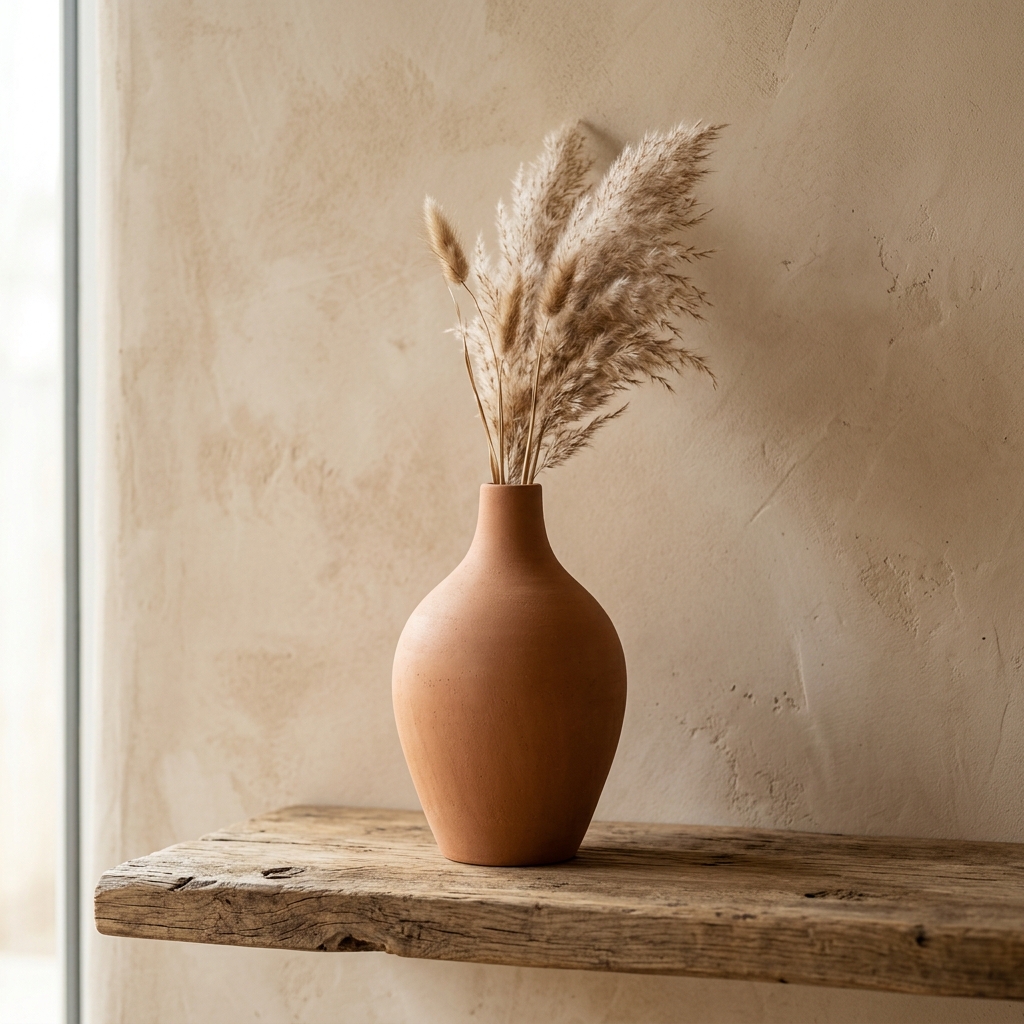
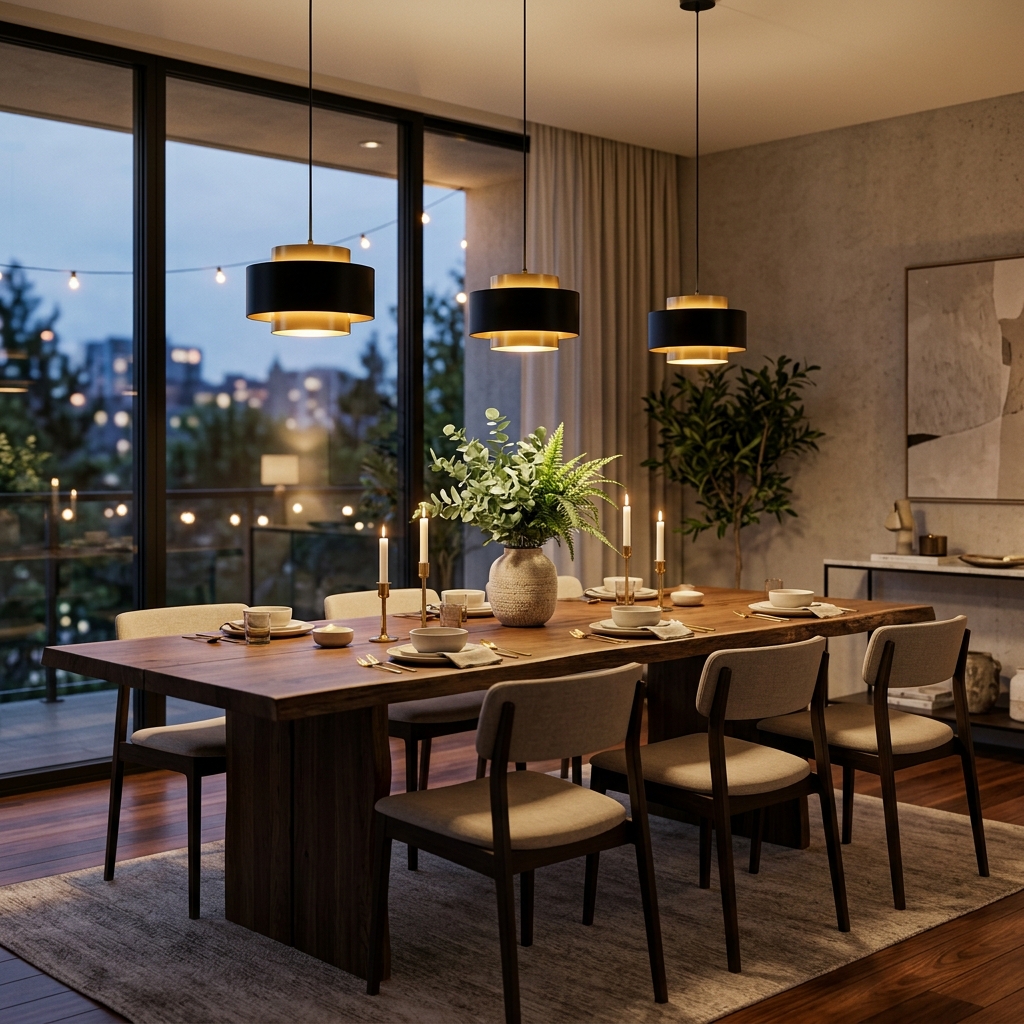
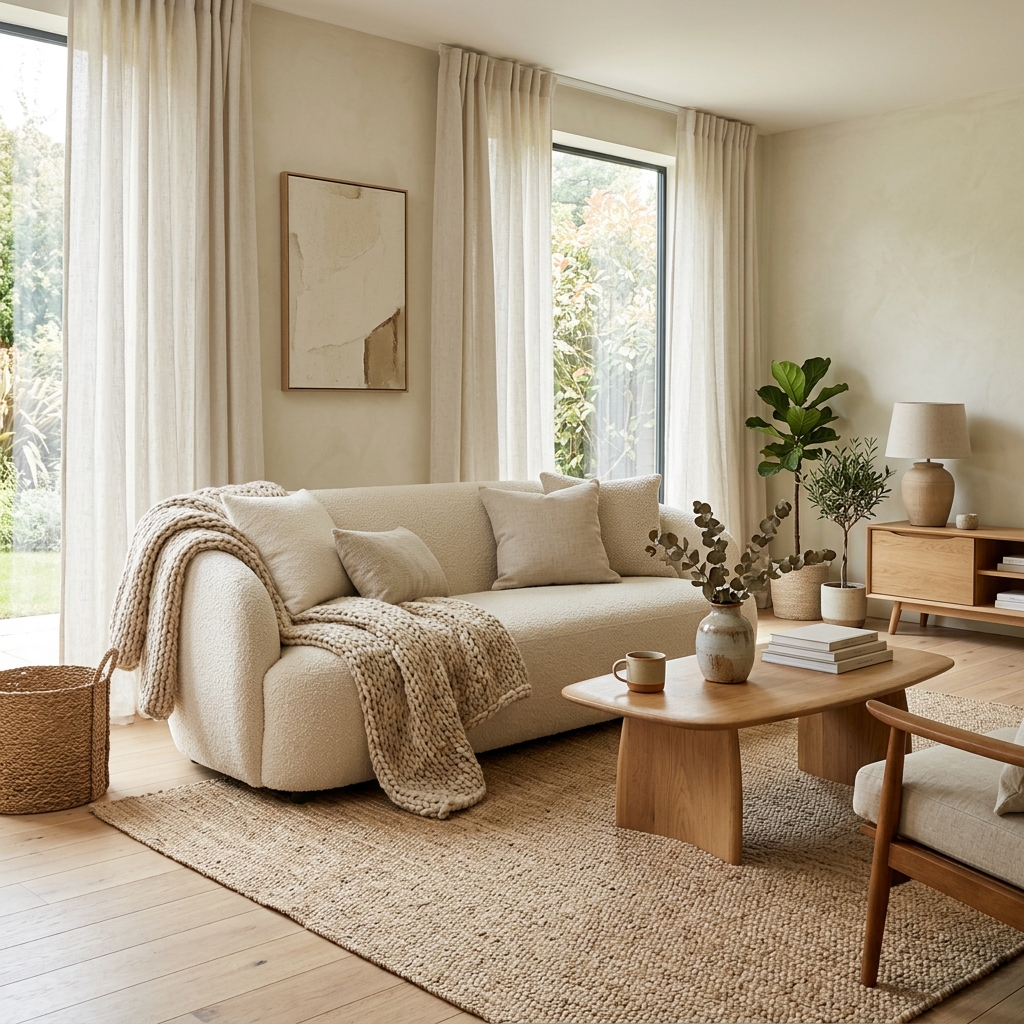
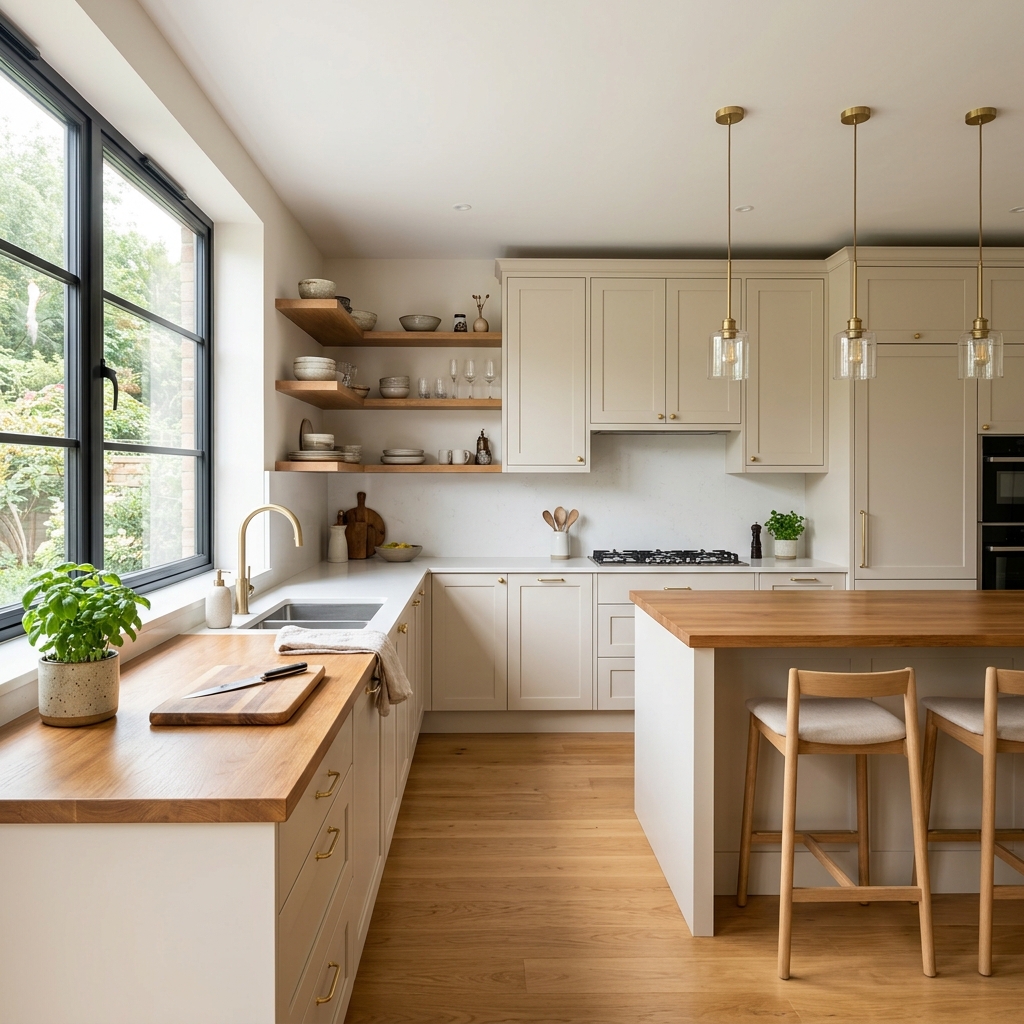
A stylish, inviting room is not created by filling every corner with beautiful objects. It comes from making thoughtful choices about color, texture, lighting, scale, comfort, and the way people move through the space. Whether you are refreshing a compact apartment, updating a family living room, or giving a bedroom a more polished look, small decorative changes can make a remarkable difference.
The most successful rooms feel layered rather than overly matched. They include a balance of practical pieces and personal details, soft elements and structured shapes, light and contrast. The following 21 home decor ideas are designed to work in almost any room, from a hallway and home office to a dining area, bedroom, or open-plan living space.
1. Create a Thoughtful Color Story
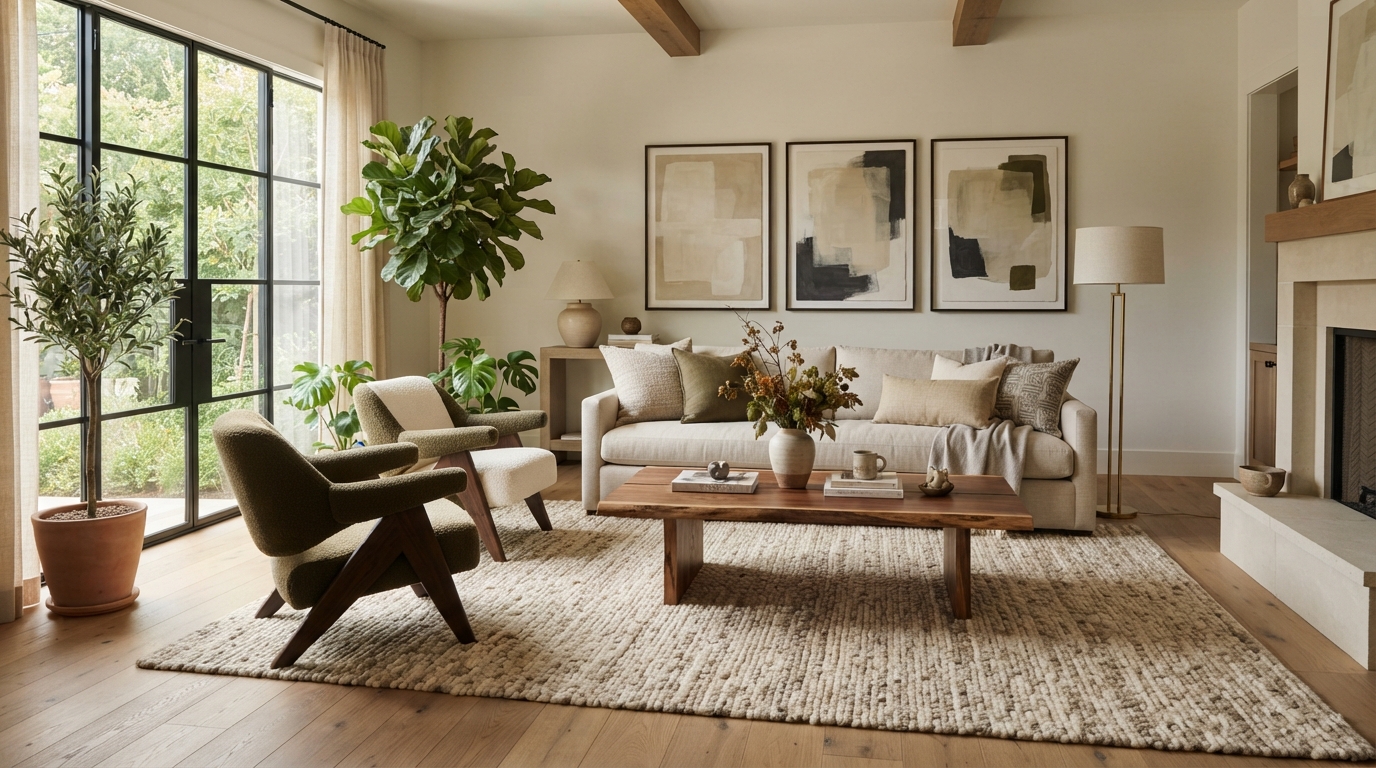
One of the fastest ways to make a room feel more stylish is to establish a clear color story. This does not mean using only three colors or choosing a perfectly coordinated furniture set. Instead, select one dominant shade, one supporting color, and one or two accent tones that appear naturally throughout the room.
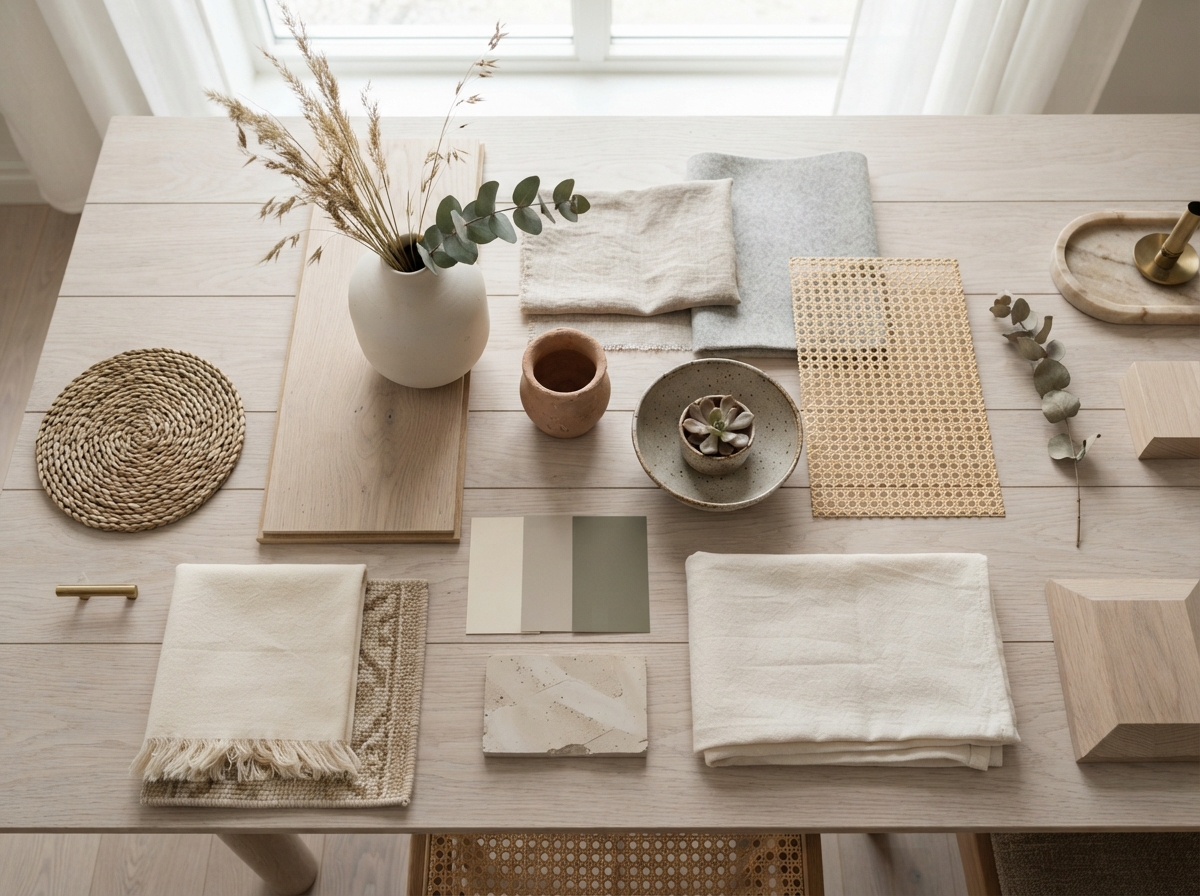
For a calm and versatile palette, try warm white walls, oatmeal upholstery, medium wood, and accents of olive green or muted terracotta. For a more dramatic room, combine deep navy, creamy beige, aged brass, and a small amount of rust. Soft blue-gray, natural linen, pale oak, and charcoal create a relaxed modern scheme.
- Use the largest surfaces, such as walls and rugs, for the dominant color.
- Repeat the supporting color in cushions, artwork, curtains, or occasional furniture.
- Reserve the strongest accent color for smaller accessories so it remains special.
- Include a natural neutral, such as wood, stone, jute, rattan, or linen, to keep the palette from feeling flat.
Before buying new pieces, gather fabric samples, paint cards, and photographs of items already in the room. View them together in natural and artificial light. Colors can look significantly warmer in the evening, so a palette that appears perfect in daylight should also be tested after sunset.
2. Layer the Lighting at Multiple Heights
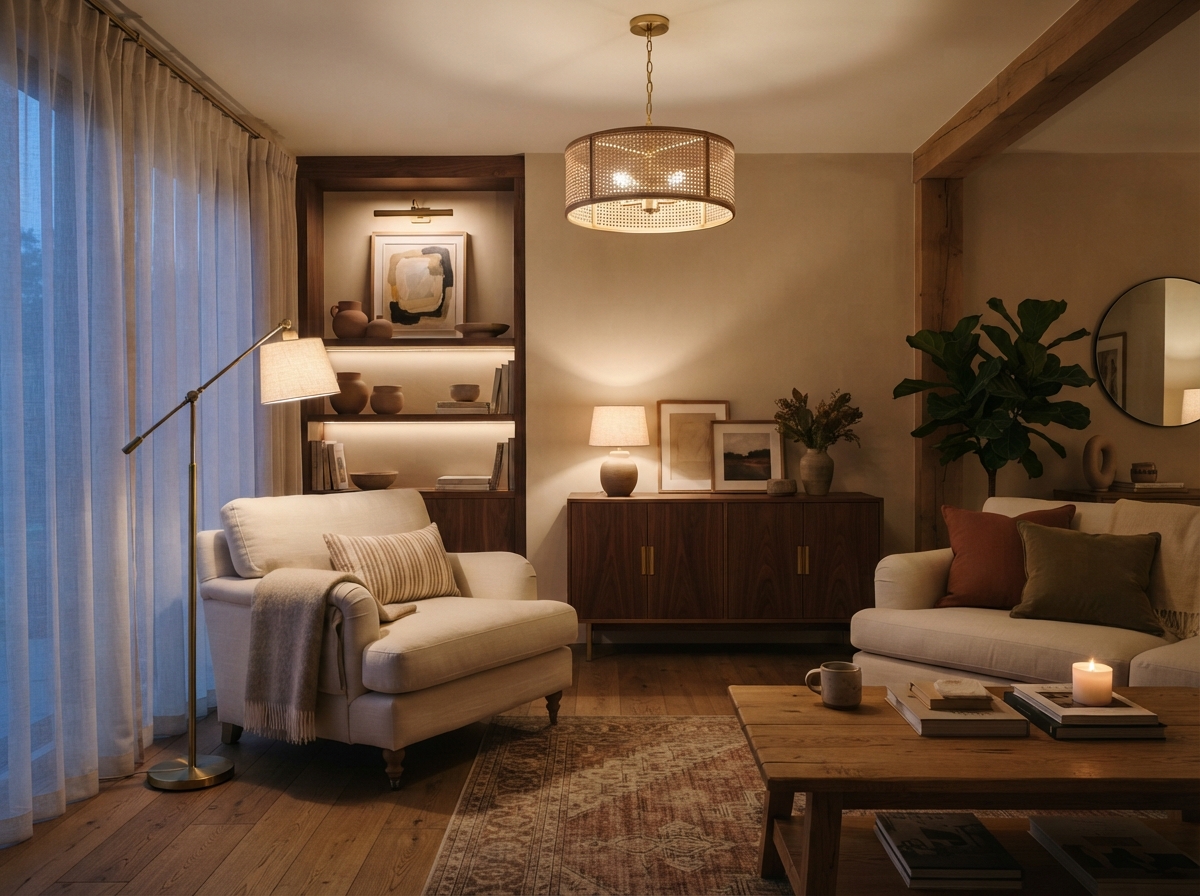
Good lighting can transform an ordinary room into a warm, sophisticated retreat. Rather than relying on a single ceiling fixture, build a layered lighting plan with illumination at several heights. Overhead lighting provides general brightness, table lamps create pools of warmth, floor lamps add height, and wall lights draw attention to artwork or architectural features.
In a living room, combine a central ceiling fixture with a floor lamp beside a sofa and a small lamp on a console or side table. In a bedroom, use bedside lamps, a soft overhead fixture, and perhaps a picture light above a dresser or artwork. In a dining room, a pendant or chandelier should be paired with candles or dimmable accent lighting.
Make lighting feel more inviting
- Choose warm bulbs, generally around 2700K, for living areas and bedrooms.
- Install dimmers whenever possible so the room can shift from functional to atmospheric.
- Use lampshades made from linen, parchment, or frosted glass to soften glare.
- Place a lamp near a dark corner to visually balance the room.
- Keep cords tidy with cord covers, cable clips, or furniture positioned strategically near outlets.
A beautiful lamp is also a decorative object. Look for sculptural ceramic bases, pleated shades, aged metal finishes, or colored glass that complements your overall design.
3. Add One Large-Scale Statement Artwork
A single oversized artwork can give a room instant focus and make the entire space feel more intentional. Instead of covering every wall with small pieces, consider choosing one large painting, photograph, textile, or framed print for the most visible wall.
In a living room, hang a substantial piece above the sofa, ensuring that it is not narrower than half the sofa’s width. In a bedroom, a large artwork above the headboard can create a finished focal point. A dramatic abstract print, vintage landscape, botanical study, or black-and-white photograph can all work beautifully, depending on the mood you want.
When selecting artwork, do not try to match every color exactly. Look for one or two tones that relate to the room’s textiles or accessories. A neutral room can handle a vibrant piece, while a colorful room may benefit from artwork with a quieter palette.
Hang artwork at approximately eye level, with the center of the piece around 57 to 60 inches from the floor. Above furniture, leave roughly 6 to 10 inches between the bottom of the frame and the top of the furniture. The exact placement should feel visually connected rather than floating too high on the wall.
4. Style the Room with a Mix of Textures
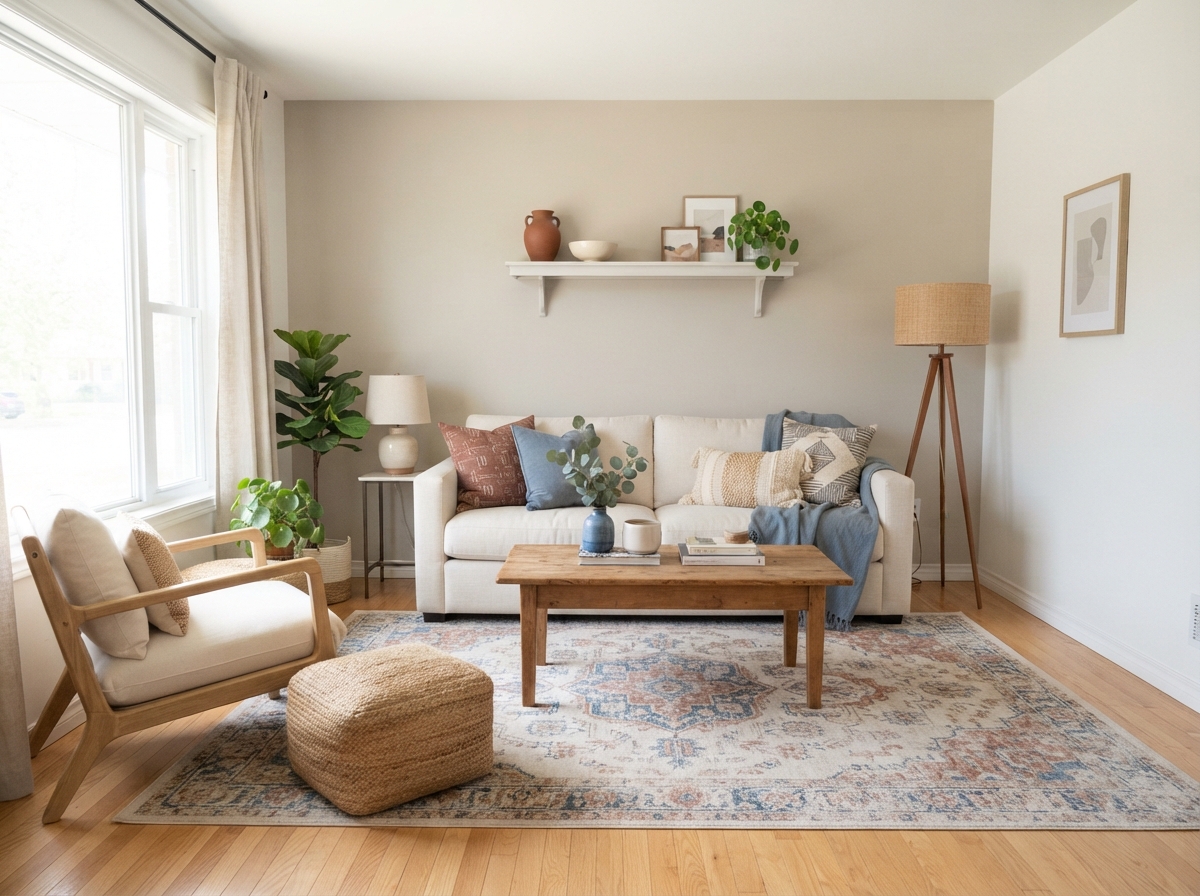
Texture is what makes a room feel comfortable and visually rich, especially when the color palette is restrained. A space decorated entirely in smooth cotton, polished wood, and painted surfaces can appear cold even if the colors are attractive. Introduce contrast through materials that invite touch and create subtle shadow.
Combine a chunky knit throw with a smooth leather chair, a nubby boucle cushion with crisp linen curtains, or a woven basket with a ceramic table lamp. In a bedroom, layer washed cotton sheets, a quilted coverlet, velvet cushions, and a wool or jute rug. In a living room, mix wood grain, metal, glass, upholstery, and stone.
Useful texture combinations
- Relaxed and natural: linen, rattan, jute, unfinished wood, terracotta, and cotton.
- Elegant and layered: velvet, marble, brushed brass, silk-like fabric, dark wood, and glass.
- Modern and cozy: boucle, smooth oak, matte ceramic, wool, ribbed glass, and black metal.
- Rustic and welcoming: leather, reclaimed wood, woven textiles, stone, iron, and chunky knits.
Texture works best when repeated in small doses. A woven tray, a basket, and a linen cushion may be enough to make a plain room feel more dimensional without creating clutter.
5. Use an Area Rug to Define the Space
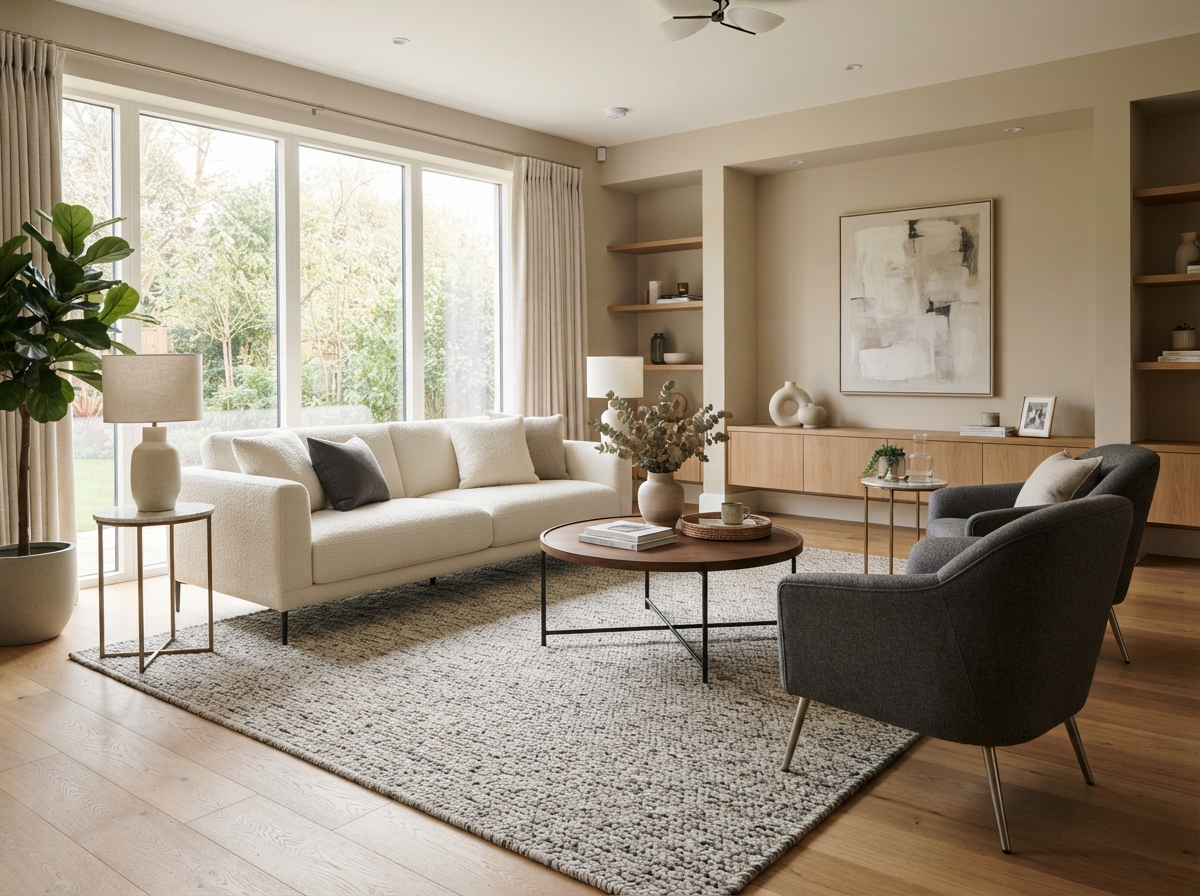
An area rug anchors furniture, softens hard flooring, improves acoustics, and adds color or pattern underfoot. It can also visually define a seating zone in an open-plan room without blocking the flow between spaces.
For a living room, choose a rug large enough for at least the front legs of the sofa and chairs to rest on it. If the room allows, placing all major seating completely on the rug creates the most cohesive look. In a bedroom, the rug should extend beyond the sides and foot of the bed, or two runners can be positioned on either side of a smaller bed.
Do not choose a rug based only on its appearance in a showroom. Consider the room’s traffic, pets, children, and maintenance needs. Wool is durable and naturally resilient, while flatweave cotton is practical for casual spaces. Jute and sisal provide organic texture but may feel rough under bare feet and can be less forgiving of spills.
If your room already contains several patterns, choose a rug with a subtle geometric design or tonal variation. If the furniture is simple, a patterned rug can supply the personality the space needs.
6. Bring Nature Indoors with Plants and Flowers
Plants make rooms feel alive, fresh, and cared for. They introduce organic shapes that soften the straight lines of furniture while adding color and movement. Even one well-placed plant can make a significant difference.
Use tall plants, such as a fiddle-leaf fig, rubber plant, or kentia palm, to fill an empty corner. Place smaller plants on shelves, windowsills, bedside tables, or a kitchen counter. Trailing varieties can soften the edge of a bookcase or high cabinet.
Choose planters that contribute to the room’s design. Textured terracotta suits natural and rustic interiors, while matte ceramic looks polished in contemporary rooms. Woven baskets create a relaxed appearance, but place a waterproof liner inside to protect floors and furniture.
- Group plants at different heights for a more collected arrangement.
- Rotate plants regularly so they grow evenly toward the light.
- Use fresh branches or seasonal flowers when you want an easy, temporary update.
- Choose low-maintenance varieties if the room receives limited natural light.
- Remove damaged leaves promptly so the arrangement always looks intentional.
If live plants are not practical, high-quality faux stems can still add shape and color. Display them in a substantial vase rather than a narrow container that may look unstable.
7. Create a Styled Focal Point
Every room benefits from a focal point that immediately catches the eye. It might be a fireplace, a statement bed, a beautiful window, an architectural wall, or a carefully arranged console. If the room lacks a natural focal point, create one with furniture, artwork, color, or lighting.
A console table can become a stylish focal point when topped with a mirror, lamp, vase, and a small stack of books. A fireplace mantel can be layered with artwork, candlesticks, ceramics, and greenery. In a bedroom, a dramatic headboard or an accent wall behind the bed can establish the visual center.
Keep the surrounding area relatively calm. Too many competing focal points make a room feel scattered. If you have a bold patterned sofa, choose quieter artwork nearby. If the walls feature a dramatic color, allow the furniture and accessories to support rather than compete with it.
8. Make Shelves Look Collected, Not Cluttered
Open shelves are an opportunity to display personality, but they can quickly become untidy. The secret to attractive shelving is a combination of negative space, varied height, and meaningful objects.
Begin by removing everything from the shelves. Sort items into categories such as books, artwork, ceramics, plants, baskets, and personal keepsakes. Return only the pieces you truly enjoy or use. Arrange heavier objects lower down and lighter or more delicate objects higher up.
A simple shelf-styling formula
- Place a large object, such as a framed artwork or basket, toward one side.
- Add a vertical element, such as a tall vase or leaning book.
- Balance it with a horizontal stack of books or a shallow bowl.
- Include a small organic element, such as a plant, branch, or shell.
- Leave visible gaps so the arrangement can breathe.
Books do not need to be arranged by color unless that approach genuinely suits your style. Group them by subject, size, or favorite covers, and mix vertical rows with horizontal stacks to create rhythm.
9. Upgrade Soft Furnishings for an Instant Refresh
Soft furnishings are among the easiest elements to change, making them ideal for a seasonal or budget-friendly update. New cushions, curtains, bedding, and throws can alter the character of a room without replacing larger furniture.
For a sophisticated cushion arrangement, combine three scales: a larger solid or subtle patterned cushion at the back, a medium decorative design in the center, and a smaller textured or lumbar cushion in front. Mix patterns by varying their scale. For example, pair a broad stripe with a small botanical print and a quiet geometric motif.
Curtains should generally be hung higher and wider than the window frame to make the window appear larger. Let panels extend close to the floor, either just touching it or creating a very slight break. Choose linen or cotton for a relaxed look, velvet for drama, and sheer fabric for softness and filtered light.
In the bedroom, replace tired bedding with a layered arrangement of sheets, a coverlet, a duvet, a folded blanket, and a few decorative cushions. Keep the colors related but not identical to avoid a showroom effect.
10. Incorporate Mirrors to Reflect Light and Space
Mirrors are practical decorative tools that can make a room feel brighter and more spacious. Position one opposite or near a window to reflect daylight, or use it to amplify the glow from a lamp or wall sconce.
A large leaning mirror adds a relaxed, contemporary feel to a bedroom or dressing area. A round mirror above a console softens a room filled with rectangular furniture. A grid of smaller mirrors can work as a gallery-style display in a hallway or dining room.
Pay attention to what the mirror reflects. A mirror facing a blank wall may emphasize emptiness, while one reflecting a plant, artwork, window, or attractive light fixture adds visual interest. Choose a frame that relates to the room’s finishes: wood for warmth, metal for structure, or an ornate finish for a more traditional look.
11. Arrange Furniture for Conversation and Flow
A room cannot feel inviting if the furniture makes it difficult to move or interact. Begin by considering how the room is used. In a living room, seating should encourage conversation rather than point every chair toward the television. In a bedroom, allow enough clearance around the bed for comfortable movement. In a dining room, leave room to pull chairs out without blocking nearby pathways.
Shop the Look
Float furniture away from the walls when the room is large enough. A sofa positioned a few inches from the wall can make the layout feel more deliberate, while a console behind it can provide storage and styling space. In a small room, placing furniture against the walls may be necessary, but avoid pushing every piece into a corner.
- Allow approximately 30 to 36 inches for main walkways when possible.
- Keep a comfortable distance between seating and a coffee table.
- Use a round coffee table where sharp corners make circulation difficult.
- Place side tables close enough to reach without leaning.
- Angle one chair slightly toward the seating group to create a more welcoming arrangement.
Take measurements before purchasing anything. Painter’s tape on the floor can help you test the footprint of a sofa, dining table, or rug before committing.
12. Mix Materials Instead of Matching Everything
A room feels more sophisticated when its materials are varied. Matching wood finishes, identical metals, and coordinated furniture sets can make a space appear flat or overly staged. A better approach is to select finishes that relate without being identical.
Pair light oak with walnut, or combine painted furniture with one or two natural wood pieces. Mix black metal with aged brass accents, provided one finish is clearly dominant. Add glass or stone to break up an arrangement made mostly from wood and upholstery.
When combining materials, repeat each important finish at least twice. If you introduce brass through a lamp, echo it in a picture frame or decorative object. If a dark wood table is the only deep tone in the room, add a dark frame, cushion, or basket nearby to create balance.
13. Use Decorative Objects in Groups of Three
Small accessories are most effective when arranged in intentional groupings. Groups of three often feel balanced while remaining visually interesting because the objects can vary in height, shape, and texture.
Try a tall vase, a medium-sized framed photograph, and a low bowl on a console. On a coffee table, combine a stack of books, a candle, and a small sculptural object. On a nightstand, use a lamp, a small dish, and a vase with one or two stems.
Vary the silhouettes rather than choosing three objects that look alike. A tall cylindrical vase, a rounded ceramic bowl, and a rectangular book create contrast. Keep the arrangement related through color, material, or purpose.
Do not feel obligated to fill every surface. One exceptional object with plenty of space around it often looks more luxurious than a collection of inexpensive pieces packed tightly together.
14. Add Architectural Interest with Wall Treatments
When a room feels plain, a wall treatment can provide depth and character. Paint is the simplest option, but there are many ways to add architectural interest without a major renovation.
- Use color blocking to define a reading nook, desk area, or dining zone.
- Install picture-frame molding for a classic, tailored appearance.
- Apply removable wallpaper to a powder room, alcove, or accent wall.
- Use limewash or a textured paint effect for soft, atmospheric movement.
- Install vertical wood slats to add warmth and emphasize ceiling height.
- Paint the ceiling a slightly deeper version of the wall color for a cocooning effect.
In a small room, do not automatically avoid dark colors. Deep green, charcoal, chocolate brown, or navy can make the room feel intimate and sophisticated when balanced with warm lighting and lighter textiles.
15. Design a More Welcoming Entryway
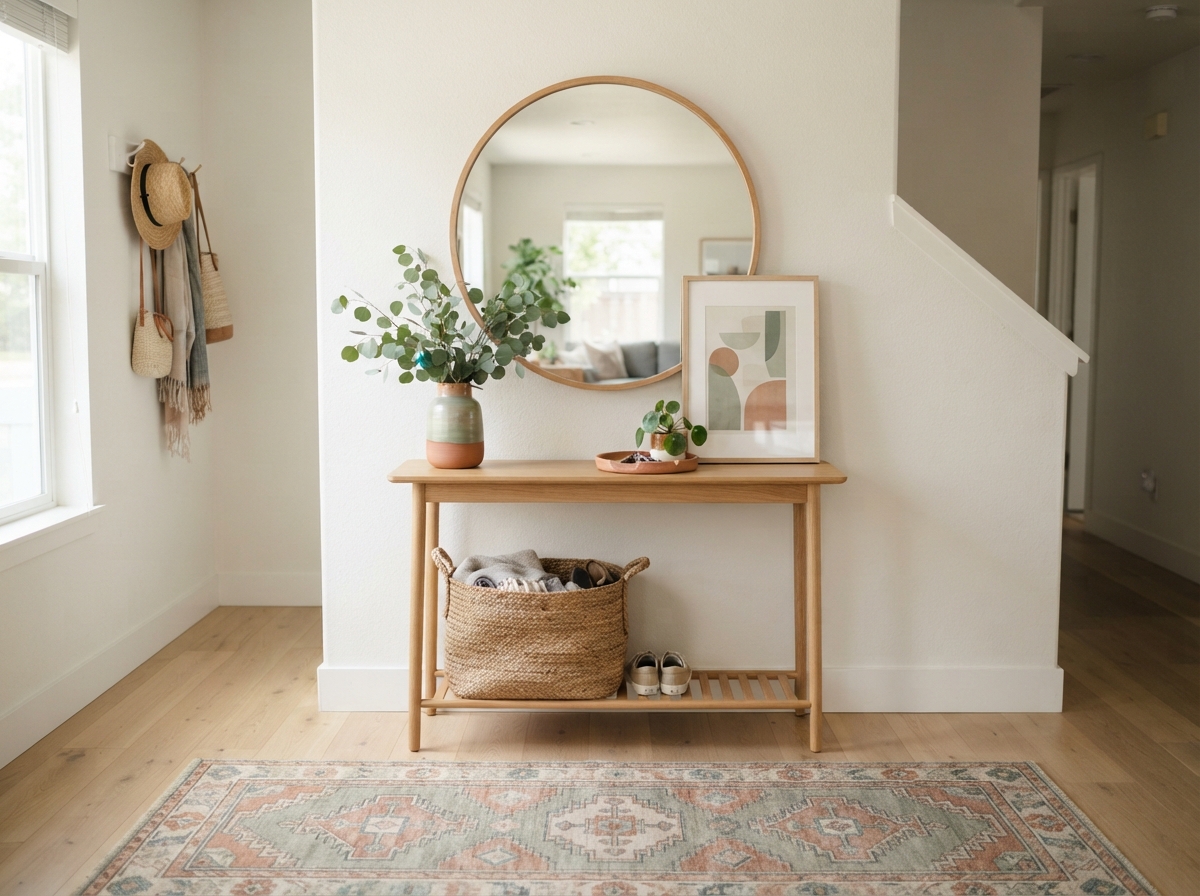
The entryway establishes the mood of the entire home. Even a narrow hallway can become stylish and useful with a few carefully chosen elements. Add a slim console, wall-mounted hooks, a mirror, and a small tray for keys. If floor space is limited, use a floating shelf or narrow ledge instead of a full cabinet.
A runner can guide the eye through the hallway and protect flooring in a high-traffic area. Choose a durable pattern that disguises everyday marks. A small stool or bench provides a place to sit while putting on shoes, while baskets beneath it can hold scarves, bags, or footwear.
Keep the entryway edited. Reserve one attractive area for display and one practical area for daily necessities. If coats and shoes accumulate in the open, use matching baskets, hooks, or closed storage to keep the first impression calm.
16. Make the Ceiling Part of the Design
The ceiling is often overlooked, yet it can dramatically influence the atmosphere of a room. Painting it a soft color can make a space feel more considered, while a bold ceiling can create a memorable design moment.
In a bedroom, a pale blue or warm blush ceiling can add a gentle, restful quality. In a dining room, a deeper shade can create intimacy and make a pendant light feel more dramatic. Wallpaper on the ceiling works especially well in small powder rooms, reading nooks, or covered porches.
If you prefer a subtle approach, use a ceiling fixture with a distinctive silhouette. A woven pendant adds organic warmth, a sculptural opal globe brings a modern touch, and a traditional chandelier can make a simple room feel elegant.
17. Create a Dedicated Cozy Corner
Every home benefits from one small area designed entirely around comfort. This might be a reading corner, a window seat, a meditation area, or a compact coffee station. A dedicated nook makes the room feel more personal and encourages people to use the space in a relaxed way.
For a reading corner, combine a comfortable chair, a small side table, a floor lamp, a soft throw, and a nearby basket for books. If you have a window, position the chair to take advantage of natural light without blocking the opening. In a family room, a low floor cushion and a small round table can create an informal place for games or conversation.
Define the corner with a small rug or a different wall color. The area does not need to be large; it only needs to feel purposeful and comfortable.
18. Personalize the Room with Meaningful Collections
Personal details are what prevent a beautifully decorated room from feeling generic. Display objects that carry memories, reflect interests, or represent places you love. Travel finds, family photographs, inherited ceramics, handmade pottery, favorite books, and vintage accessories can all add warmth.
Curate collections rather than displaying every item at once. A group of three vintage vessels on a shelf may have more impact than a crowded cabinet full of objects. Rotate pieces seasonally or whenever you want the room to feel refreshed.
Photographs can be displayed in a consistent frame style for a polished gallery wall, or in a mix of frames for a more collected look. To keep a varied arrangement cohesive, repeat one element such as black frames, natural wood, white mats, or a shared color palette.
19. Improve Storage with Attractive Containers
Clutter is one of the quickest ways to undermine a stylish room. Attractive storage allows everyday items to remain accessible without dominating the visual landscape. Woven baskets, lidded boxes, fabric bins, trays, and storage ottomans can all contribute to the decor while solving practical problems.
Use baskets in a living room for blankets, toys, or magazines. Place a tray on an ottoman to create a stable surface for drinks and books. Add drawer organizers to a home office, labeled bins to a utility area, or matching containers to open shelving.
Choose storage containers in materials that reinforce the room’s style. Woven seagrass suits a relaxed interior, leather boxes feel refined, painted metal works in industrial spaces, and fabric bins are useful for bedrooms and children’s rooms. Keep the most frequently used items within easy reach and reserve higher shelves for seasonal belongings.
20. Introduce Scent and Sound for a Complete Atmosphere
A room’s atmosphere is shaped by more than its appearance. Scent and sound can make a space feel especially welcoming, provided they are used with restraint. Choose fragrances that support the room’s purpose rather than overpowering it.
- Use lavender, cedar, or soft chamomile in a bedroom for a restful mood.
- Try citrus, basil, or light herbs in a kitchen or entryway.
- Choose sandalwood, amber, or vanilla for a cozy living room.
- Use unscented candles around meals so they do not compete with food.
Place diffusers or candles where they are safely visible and away from curtains, books, and other flammable materials. A small speaker tucked onto a shelf can provide gentle background music, while soft window treatments, rugs, and upholstered furniture help absorb harsh echoes.
The goal is subtlety. A pleasant room should feel fresh and comfortable, not perfumed or noisy.
21. Edit, Rearrange, and Refresh Regularly
The final styling step is often the most valuable: edit the room. Walk through the space at different times of day and notice what feels crowded, empty, too dark, or impractical. Remove pieces that no longer serve the room, then rearrange the remaining items to improve balance.
Try taking photographs from the doorway and from seated eye level. A room can look balanced in person but appear visually heavy in a photograph, especially when accessories are concentrated on one side. Use the images to identify areas that need more height, color, texture, or empty space.
A simple room-refresh checklist
- Remove at least five items and assess whether the room feels calmer.
- Adjust lighting so every important area has a useful or decorative light source.
- Check that artwork is hung at a comfortable viewing height.
- Reposition rugs and furniture to improve movement.
- Replace worn cushions, faded flowers, or damaged accessories.
- Balance tall, medium, and low objects across shelves and surfaces.
- Keep one or two empty areas so the room does not feel overdecorated.
Refreshing does not always mean shopping. Moving a chair, changing a lamp’s location, rotating artwork, or styling a familiar object in a new place can make the room feel completely different.
How to Combine These Ideas Without Overdecorating
Although each idea can make a noticeable improvement, the most inviting rooms use them in combination rather than applying every trend at once. Begin with the foundational elements: a practical furniture layout, a cohesive color story, suitable lighting, and a correctly sized rug. Once those are working, add texture, plants, artwork, and personal accessories.
A useful approach is to create visual hierarchy. Choose one main focal point, two or three supporting features, and several quiet background details. For example, a living room might have a large artwork above the sofa as its main focal point, a textured rug and sculptural lamp as supporting features, and simple books, plants, and cushions as finishing details.
Keep proportions in mind. A tiny artwork above a large sofa may feel lost, while an oversized lamp on a small side table may look awkward. When in doubt, use painter’s tape to outline the size of artwork or furniture on the wall and floor before purchasing.
Final Thoughts
Stylish, inviting rooms are built through layers of thoughtful decisions. A well-chosen palette creates harmony, varied lighting adds warmth, textures create comfort, and meaningful objects bring personality. Practical storage, flexible furniture, and a carefully edited arrangement ensure that the room remains beautiful in everyday life.
You do not need a complete renovation or a large budget to make any room feel more polished. Start with one high-impact improvement, such as replacing a too-small rug, adding a lamp to a dark corner, hanging a large artwork, or introducing a collection of natural textures. Then build gradually. The result will be a home that looks considered, feels comfortable, and reflects the people who live there.