Warm and Cozy Boho Room Inspiration
A warm boho room should feel collected, comfortable and effortlessly personal. Rather than matching every piece, the style layers natural materials, earthy colors, relaxed textiles and meaningful objects into a space with plenty of visual warmth. The goal is not a cluttered room, but one that feels inviting and lived-in—somewhere you can curl up with a book, share coffee with friends or unwind at the end of the day.
Bohemian decorating works especially well when comfort leads the design. Begin with a soft foundation, add tactile layers and then bring in character through plants, artwork, handmade accents and vintage-inspired furnishings. Even a modern room can become warm and boho with the right combination of color, texture and light.
Start with an Earthy, Sun-Washed Color Palette
The most welcoming boho rooms use colors that appear softened by sunlight. Instead of relying on stark white or cool gray, build the palette around warm neutrals and muted earth tones. These shades create a calm backdrop while allowing patterned textiles and decorative objects to stand out.
- Base colors: warm white, creamy ivory, oatmeal, sand, mushroom and light camel.
- Earthy accents: terracotta, rust, clay, ochre, cinnamon and burnt sienna.
- Nature-inspired tones: olive green, muted sage, tobacco brown and dusty blue.
- Grounding shades: walnut, charcoal, espresso and deep chocolate brown.
A simple formula is to use one light neutral for the walls and larger furniture, two or three mid-tone colors in textiles, and one darker shade for contrast. For example, pair creamy walls with a camel sofa, rust-colored cushions, olive green plants and dark wood accents. This keeps the room cohesive without making it feel overly coordinated.
If the room receives limited natural light, favor warm ivory, pale sand and soft peachy beige rather than deep brown or gray. In a bright, sunny space, richer shades such as terracotta, tobacco and cinnamon can create a cozy sense of balance.

Layer Natural Textures for Instant Comfort
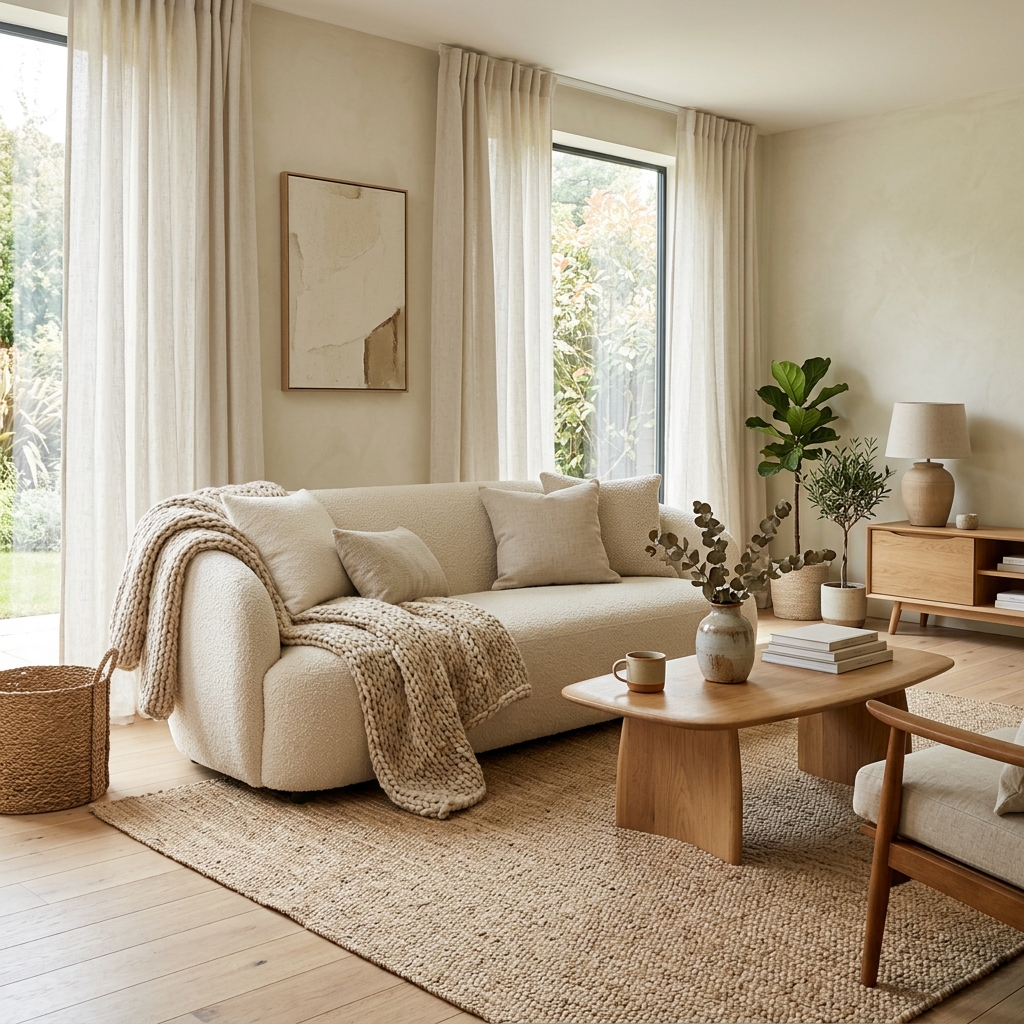
Texture is one of the defining features of a cozy boho interior. A neutral room can still feel rich when it combines different surfaces and weaves. Aim for contrast: smooth ceramic beside rough wood, chunky knit beside airy linen, and a flatwoven rug beneath a plush cushion.
- Use a jute, sisal or woven wool rug to add organic texture underfoot.
- Choose linen or cotton curtains that filter sunlight rather than blocking it completely.
- Layer bouclé, velvet, cotton gauze and chunky knits across sofas and beds.
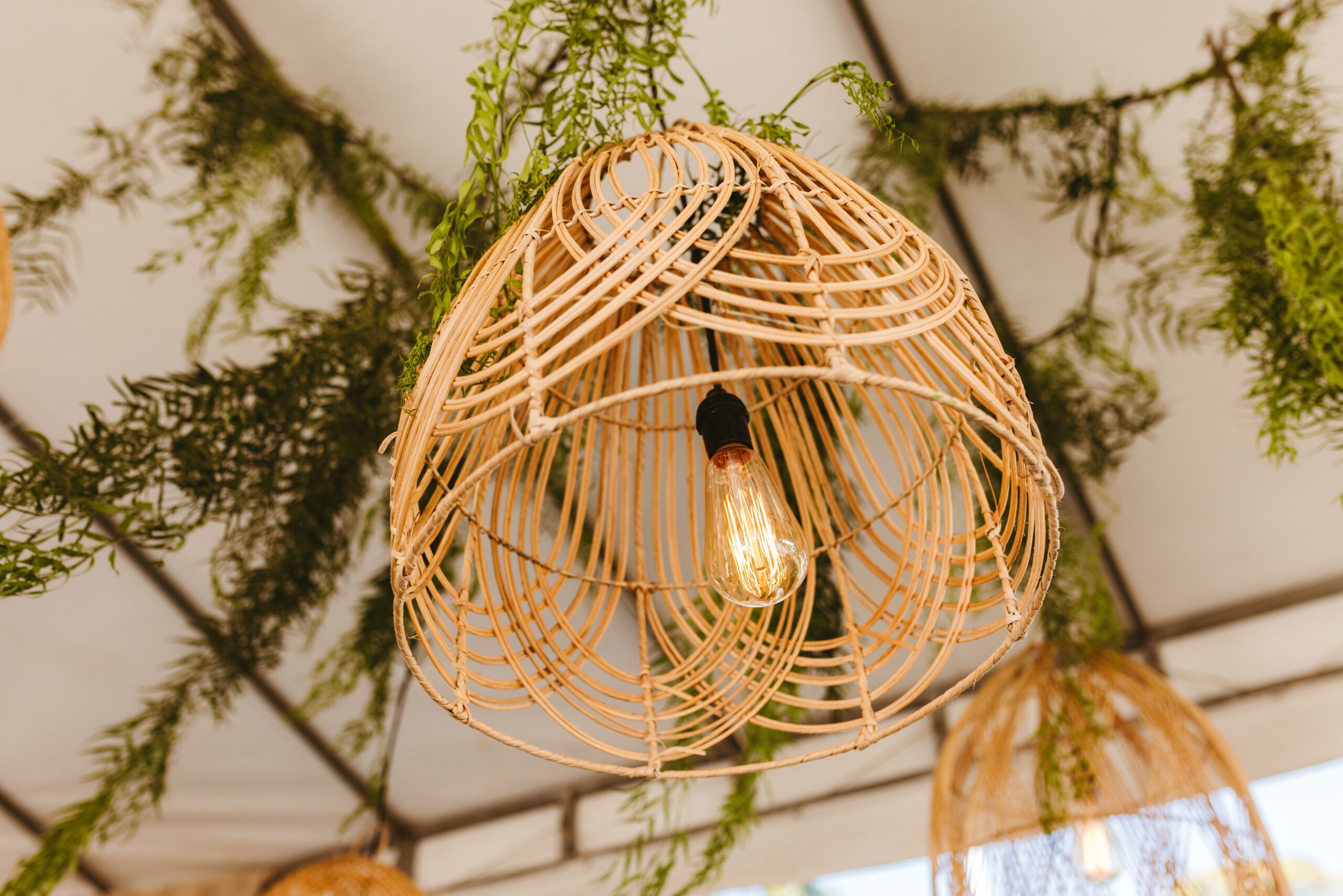
- Bring in rattan, cane, bamboo and seagrass through baskets, chairs, lampshades and storage.
- Add raw or lightly finished wood for stools, shelves, side tables and benches.
- Use terracotta, stoneware and handmade ceramics to introduce earthy, tactile surfaces.
For a balanced arrangement, combine at least three distinct textures in every major seating or sleeping area. A sofa might include a woven throw, a velvet pillow and a nubby linen cushion. On a bed, layer crisp cotton sheets with a quilted coverlet, a tasseled blanket and two oversized pillows.
Texture also helps a boho room feel warm without adding excessive color. If you prefer a mostly neutral scheme, create interest through fringe, embroidery, basket weave, macramé, carved wood and irregular handmade finishes.
Choose Relaxed, Low-Profile Furniture
Boho furniture should invite you to settle in. Look for pieces with generous proportions, soft edges and a relaxed silhouette rather than formal, rigid shapes. A deep sofa, floor cushion or upholstered bench can make the room feel immediately more comfortable.
In a living room, arrange the main seating around conversation instead of pushing every piece against the wall. Place a generously sized rug under the front legs of the sofa and chairs to visually connect the arrangement. A round wooden coffee table softens a room filled with straight lines, while a leather pouf or woven ottoman provides flexible seating.
Vintage and secondhand furniture are especially effective in boho spaces. Consider a carved wooden cabinet, a weathered farmhouse stool, a cane armchair or a low console with visible grain. The pieces do not need to match perfectly. They only need to share a common quality, such as warm wood, rounded forms or natural finishes.
Keep the floor plan breathable. Bohemian style benefits from layered objects, but walkways should remain clear and useful. Leave enough space to move comfortably around the coffee table, and avoid filling every empty corner with furniture. One striking chair or floor lamp is often more effective than several small pieces.
Create a Soft and Inviting Lighting Plan
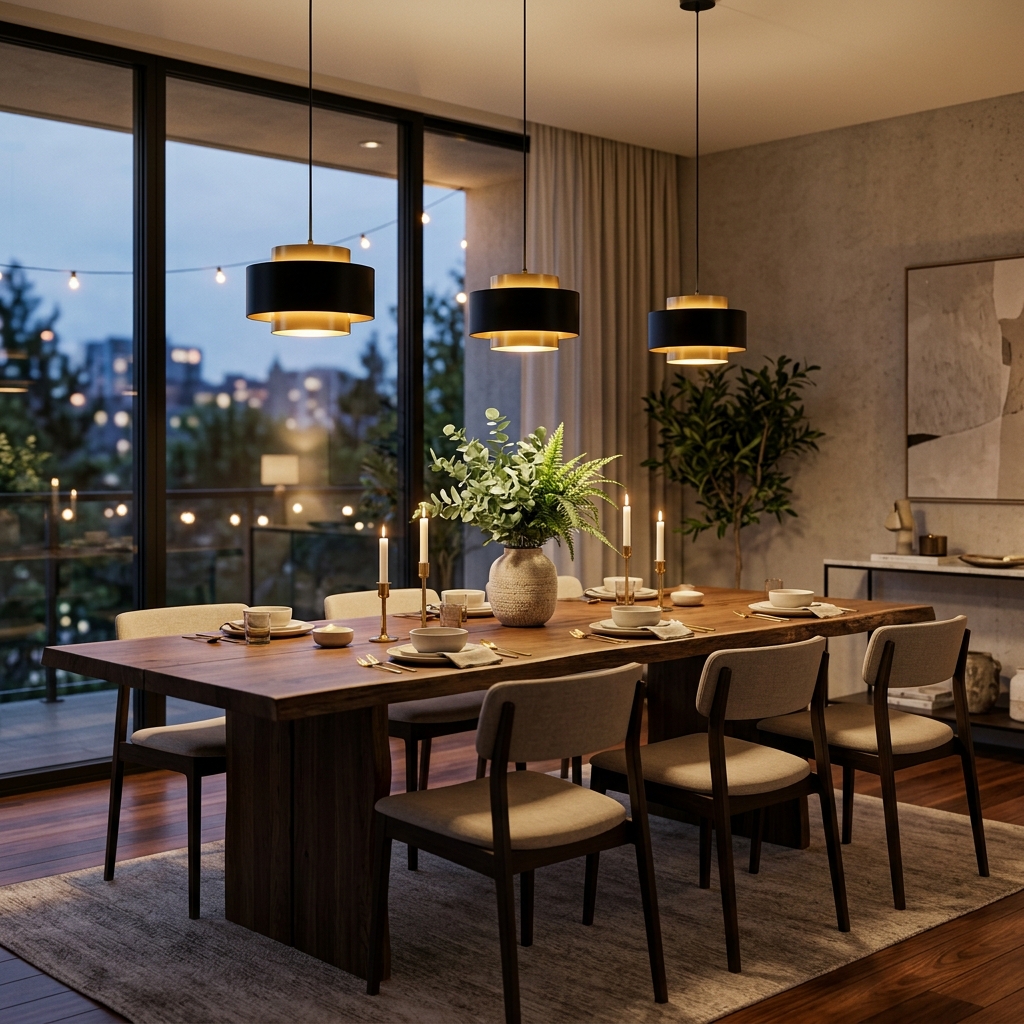
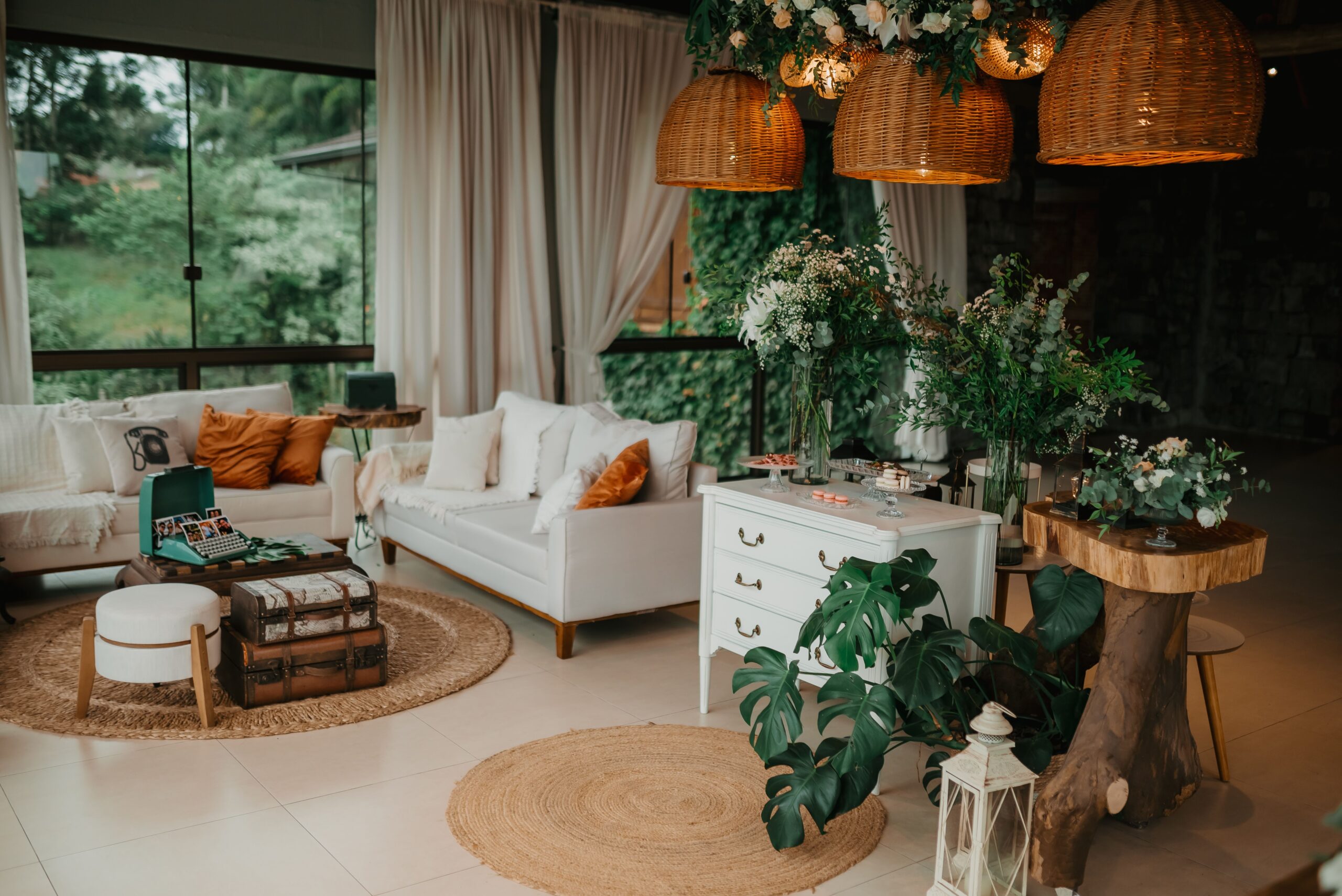
Lighting can transform a simple boho room into a cozy retreat. Use several low and medium light sources instead of depending on one bright ceiling fixture. The most flattering combination includes ambient, task and accent lighting.
- Ambient light: choose a rattan pendant, linen shade or woven chandelier to diffuse overhead illumination.
- Task light: add a floor lamp beside a reading chair or a table lamp near the sofa.
- Accent light: use small lamps, lanterns or candles on shelves, consoles and side tables.
Use warm bulbs in the range of approximately 2700K to create a golden glow. Bulbs that are too cool can make earthy colors appear dull and blue. Dimmers are particularly useful because they let the room shift from bright and practical during the day to intimate and relaxed in the evening.
For a low-cost update, replace a plain lampshade with a woven, pleated or fabric-covered option. Add a ceramic lamp base to a bedside table, or place a lantern on the floor beside a basket of blankets. Always keep candles and exposed flames away from curtains, throws and other flammable materials.
Shop the Look
Make the Sofa or Bed the Cozy Focal Point
The main seating or sleeping area should look soft enough to sink into. On a sofa, begin with two larger pillows at the back, add medium-sized patterned cushions in front, and finish with one small textured or lumbar pillow. Mix patterns by varying scale: pair a broad geometric print with a small organic motif and a solid color.
Useful boho patterns include tribal-inspired geometrics, faded kilims, block prints, stripes, botanical designs and subtle mudcloth-style motifs. Keep the palette connected so the mix feels intentional. If one pillow has rust, repeat that shade in a throw, artwork or nearby ceramic piece.
For the bed, use a relaxed approach rather than a perfectly made hotel arrangement. Let a linen duvet fall naturally, fold a patterned blanket across the foot and place a long lumbar cushion in front of standard pillows. A low wooden headboard, woven headboard or simple fabric wall hanging can anchor the bed without making the room feel heavy.
Choose washable covers for frequently used cushions and throws, especially in homes with children or pets. Natural fabrics are beautiful, but they may wrinkle and show wear; embrace gentle variation while selecting durable weaves for high-traffic areas.
Bring in Plants and Organic Shapes
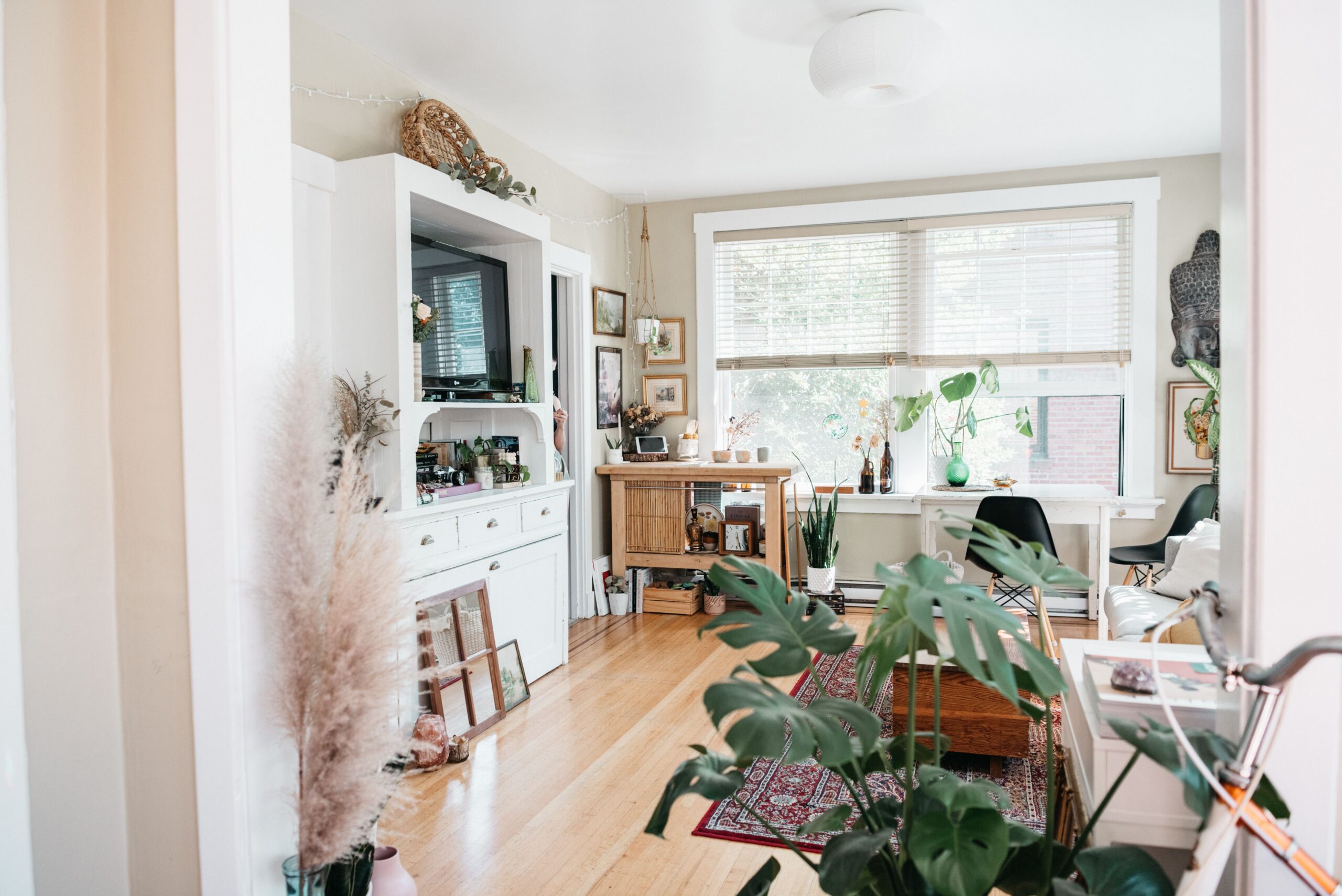
Plants add color, movement and a strong connection to nature. They are also one of the easiest ways to give a room a boho character without a major redesign. Use a mixture of heights and leaf shapes so the greenery feels abundant but not repetitive.
- Place a tall rubber plant, fiddle-leaf fig or bird of paradise in an open corner.
- Set a pothos or string of pearls on a high shelf so the foliage can trail downward.
- Group smaller plants in terracotta, woven or handmade ceramic pots.
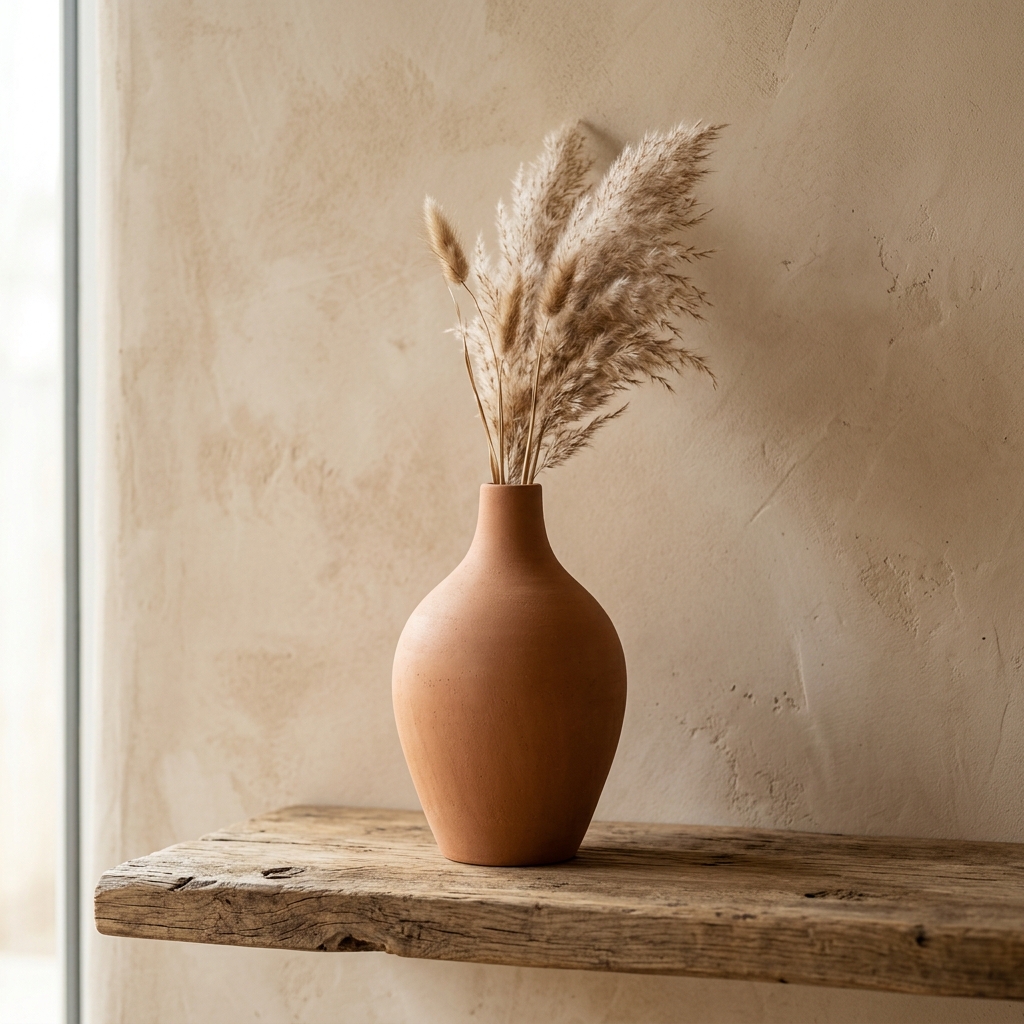
- Use dried pampas grass, eucalyptus or palm leaves for long-lasting sculptural texture.
Repeat organic shapes beyond plants through arched mirrors, rounded vases, pebble-shaped bowls and curved furniture. These forms soften the room and prevent a collection of rectangular furniture from feeling too structured.
Choose plants according to the actual conditions in the room. Low-light spaces may suit snake plants, ZZ plants and pothos better than sun-loving varieties. Place saucers beneath containers and use waterproof liners to protect wood floors and furniture.
Style Walls with Meaningful, Collected Pieces
Boho wall decor should feel personal rather than overly polished. Create a gallery wall with a relaxed arrangement of woven baskets, framed botanical prints, abstract art, textile fragments and travel photographs. Keep a visual connection by repeating two or three colors throughout the collection.
For a simpler statement, hang one large macramé piece, a vintage rug or a handwoven textile above the sofa or bed. A large mirror with a wood, rattan or antique-style frame can reflect light and make a small room feel more open.
When arranging artwork, use the furniture below it as the anchor. A single piece should generally be wide enough to relate to the sofa or headboard, while a gallery arrangement can extend slightly beyond the center of the furniture. Test the layout on the floor before making holes in the wall.
Use Baskets and Open Storage to Control Clutter
Warm boho rooms often contain many layers, so practical storage is essential. Woven baskets are attractive enough to remain visible while hiding blankets, toys, magazines and extra cushions. Place a large basket beside the sofa, smaller baskets on open shelving and lidded options near the entryway.
Use open shelves sparingly and style them with breathing room. A useful arrangement might include a stack of books, a small plant, a ceramic vessel and one framed photograph. Vary the height of objects, but leave some shelves partially empty so the display does not become visually crowded.
For bedrooms, choose baskets that fit beneath a bench or beside a wardrobe. In a small living room, a storage ottoman can serve as seating, a coffee table and hidden storage at the same time. Beautiful organization allows the decorative layers to remain visible without sacrificing everyday function.
Finish with Personal, Imperfect Details
The final layer should tell your story. Add books you genuinely enjoy, a handmade bowl from a local artist, a favorite travel souvenir or a collection of small objects gathered over time. These details make the room feel authentic and prevent it from looking like a showroom.
Choose a few statement pieces rather than displaying everything at once. Rotate seasonal textiles, artwork and decorative objects so the room can evolve. A rust-colored throw in autumn, a lightweight cotton blanket in summer or a new arrangement of pottery can refresh the space without replacing the furniture.
Most importantly, prioritize comfort. Keep a reading lamp within reach, place a soft rug where bare feet land and make sure the seating supports how you actually use the room. The best warm boho interiors are layered, imperfect and welcoming—spaces that invite you to relax rather than worry about keeping everything untouched.