Cozy Boho Room Ideas for a Relaxed Space
A cozy boho room should feel collected, comfortable and completely unhurried. Rather than following a strict decorating formula, bohemian style combines natural materials, relaxed textiles, warm colors and meaningful objects in a way that feels personal. The goal is not perfection—it is creating a room that invites you to sit down, put your feet up and stay awhile.
Whether you are decorating a bedroom, living room, reading corner or small apartment, the most successful boho spaces balance layered comfort with visual calm. Start with a warm foundation, add tactile fabrics, introduce natural elements and finish with objects that tell your story.
Begin with a Warm, Earthy Color Palette
Color sets the emotional tone of a boho room. For a relaxed atmosphere, begin with a soft neutral base such as warm white, oatmeal, sand, mushroom, clay or pale beige. These shades make the room feel light and restful while giving patterned fabrics and handmade accessories room to stand out.
Layer in earthy accent colors rather than using too many bright shades at once. Terracotta, cinnamon, olive green, ochre, rust, dusty rose and muted teal all work beautifully with natural wood and woven materials. If you prefer a darker, moodier room, consider cocoa brown, forest green or deep indigo on one wall or in larger textiles.
- For a calm bedroom: Combine ivory, camel, soft olive and warm wood.
- For a lively living room: Pair cream with terracotta, mustard and faded blue.
- For a dramatic reading nook: Use warm taupe, rust, walnut and charcoal accents.
Keep the largest surfaces—walls, rugs and sofas—relatively quiet, then use pillows, artwork and throws to introduce stronger color. Repeating one accent shade in three or four places helps the room feel intentional instead of visually scattered.
Layer Rugs for Softness and Character
Few decorating choices create a cozier boho atmosphere faster than layered rugs. Begin with a larger natural fiber rug made from jute, sisal or seagrass. Its woven texture adds warmth and defines the main seating or sleeping area. Place a smaller vintage-style, Persian-inspired or patterned rug on top to bring in color and personality.
When layering rugs, vary the scale and texture. A flatwoven base works well beneath a softer pile rug, while a faded geometric pattern can balance a plain braided rug. The top rug does not need to sit perfectly in the center; a slightly casual placement often feels more relaxed and authentic.
In a bedroom, position the main rug so it extends generously beyond the sides and foot of the bed. In a living room, make sure at least the front legs of the sofa and chairs rest on the rug. For small rooms, try a compact patterned rug beneath a coffee table or beside a lounge chair instead of covering the entire floor.
Practicality matters, especially in busy homes. Choose washable cotton rugs for dining areas and high-traffic spaces, and use rug pads to prevent slipping. Natural jute is durable but can feel rough under bare feet, so soften it with a cotton runner or small wool rug in areas where you walk frequently.
Use Textiles to Create a Cocooning Feel
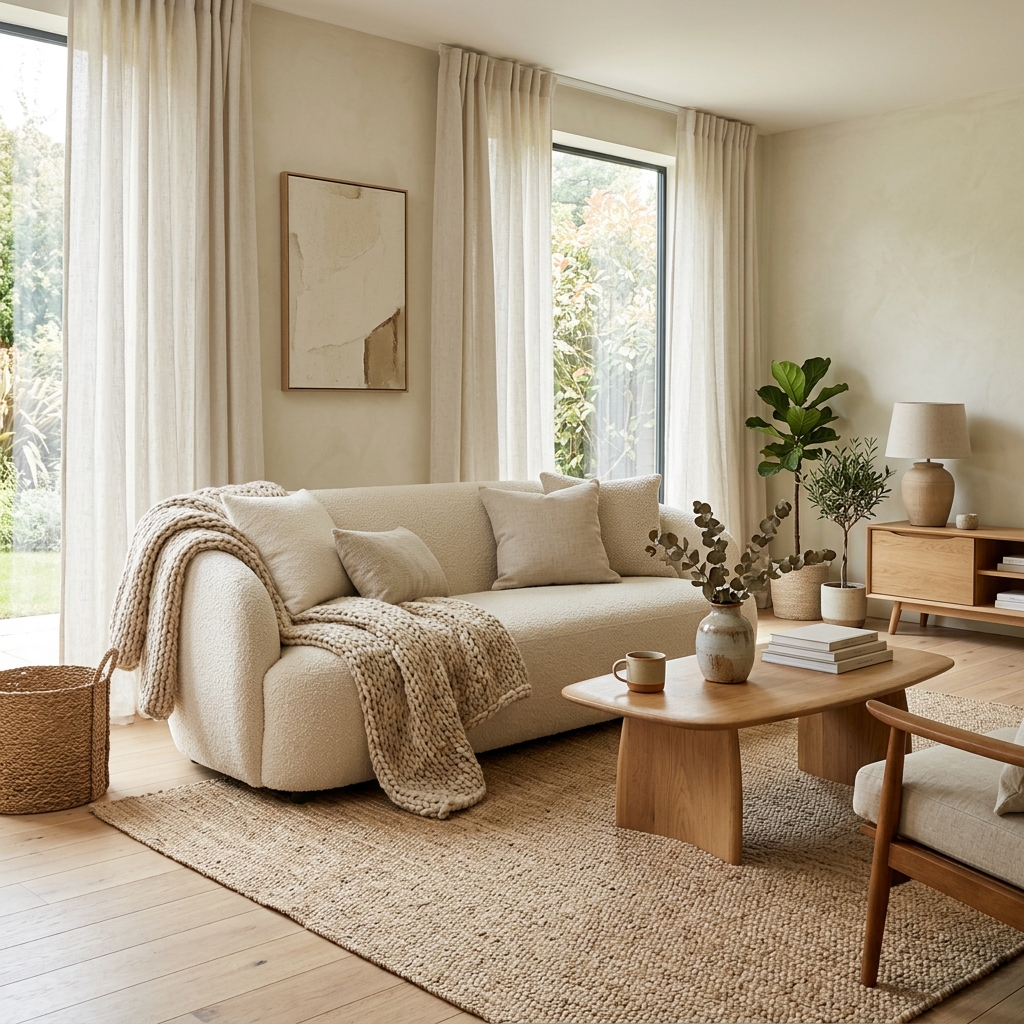
Boho style depends heavily on texture. A room can have a simple color palette and still feel rich when it includes a thoughtful mix of linen, cotton, wool, velvet, boucle, macramé and chunky knits. Focus on fabrics that look inviting and feel pleasant to touch.
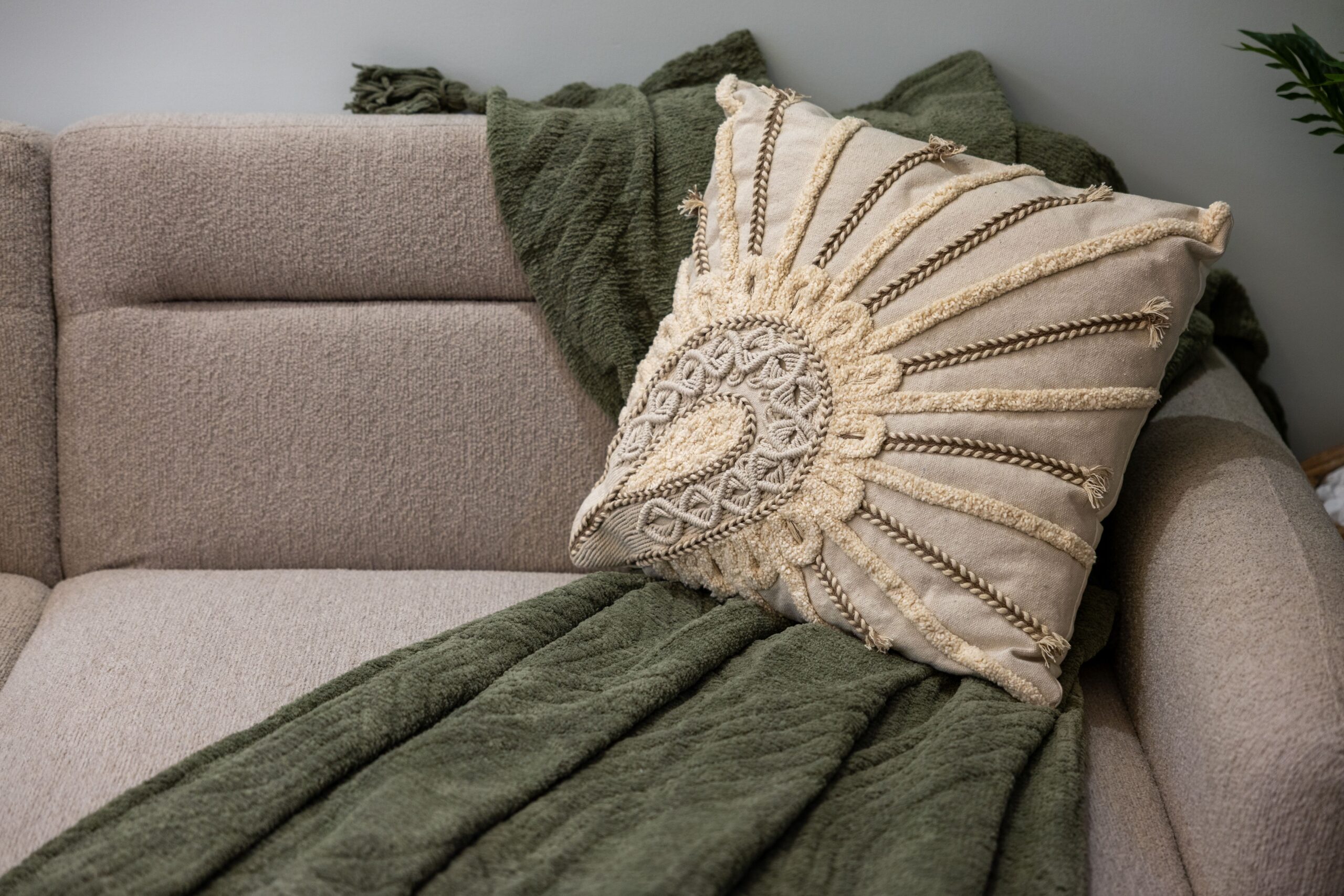
On a sofa, start with two or three foundational cushions in linen or cotton. Add a patterned pillow, a tasseled lumbar cushion and one nubby or velvet accent for contrast. Avoid buying every pillow in the same shape; a mix of square, rectangular and round cushions creates a more collected look.
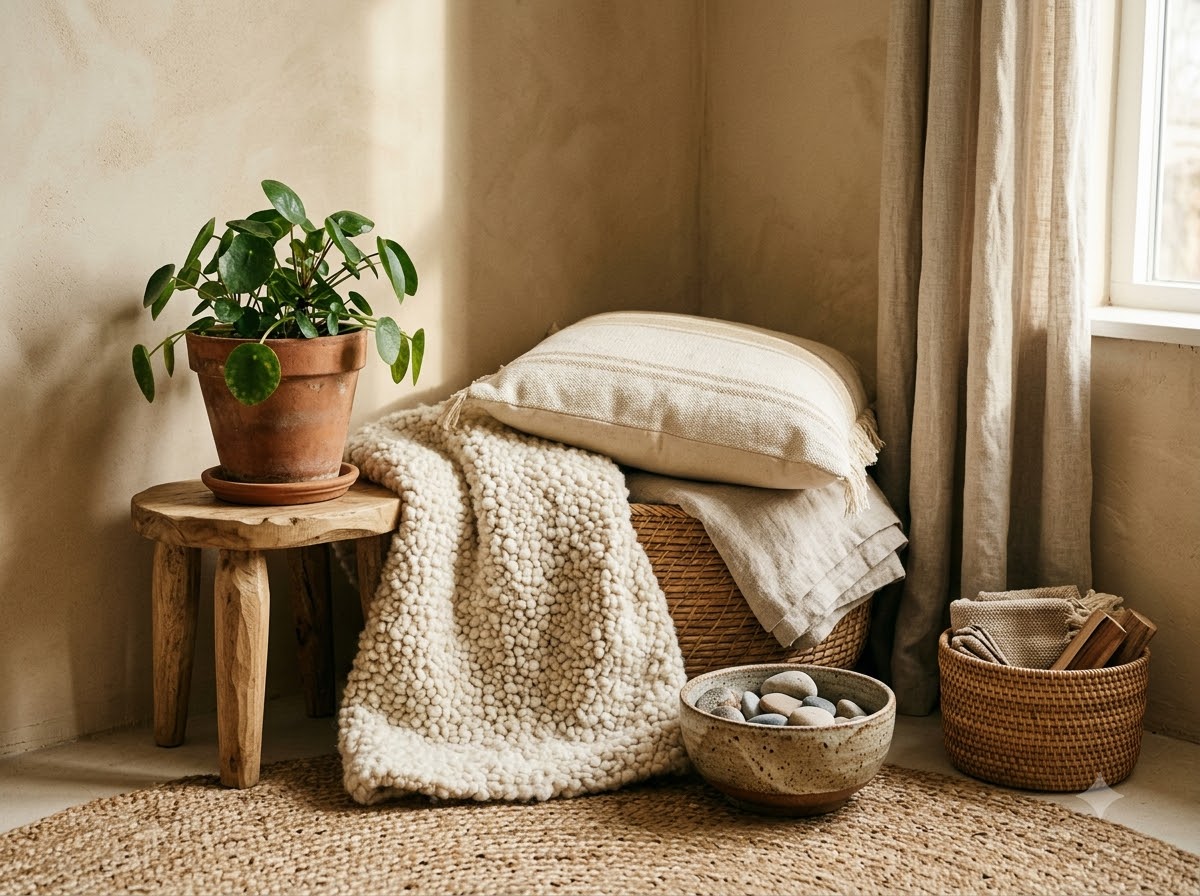
Throws should be easy to reach. Drape one casually over the arm of a sofa, fold another in a woven basket and place a lightweight blanket at the end of the bed. Choose fringed, tasseled or softly crinkled finishes to reinforce the relaxed mood without making the room feel overly decorated.
Window treatments also influence the atmosphere. Sheer linen curtains filter sunlight beautifully and soften hard architectural lines. Hang them several inches above the window frame and let them fall close to the floor to create an airy, generous effect. In bedrooms, layer sheers with blackout curtains in a warm neutral shade for privacy and better sleep.
Style the Bed Like a Comfortable Retreat
For a boho bedroom, choose breathable bedding in cream, flax, white or muted earth tones. Add a quilt or coverlet with subtle pattern, then finish with a casually folded throw. A few carefully selected cushions are more inviting than a bed overloaded with pillows that must be removed every night.
A low-profile wooden bed, rattan headboard or simple upholstered frame works especially well. If the bed is plain, give it character with a woven wall hanging, a vintage textile or a pair of mismatched bedside tables.
Shop the Look
Bring in Natural Materials and Organic Shapes
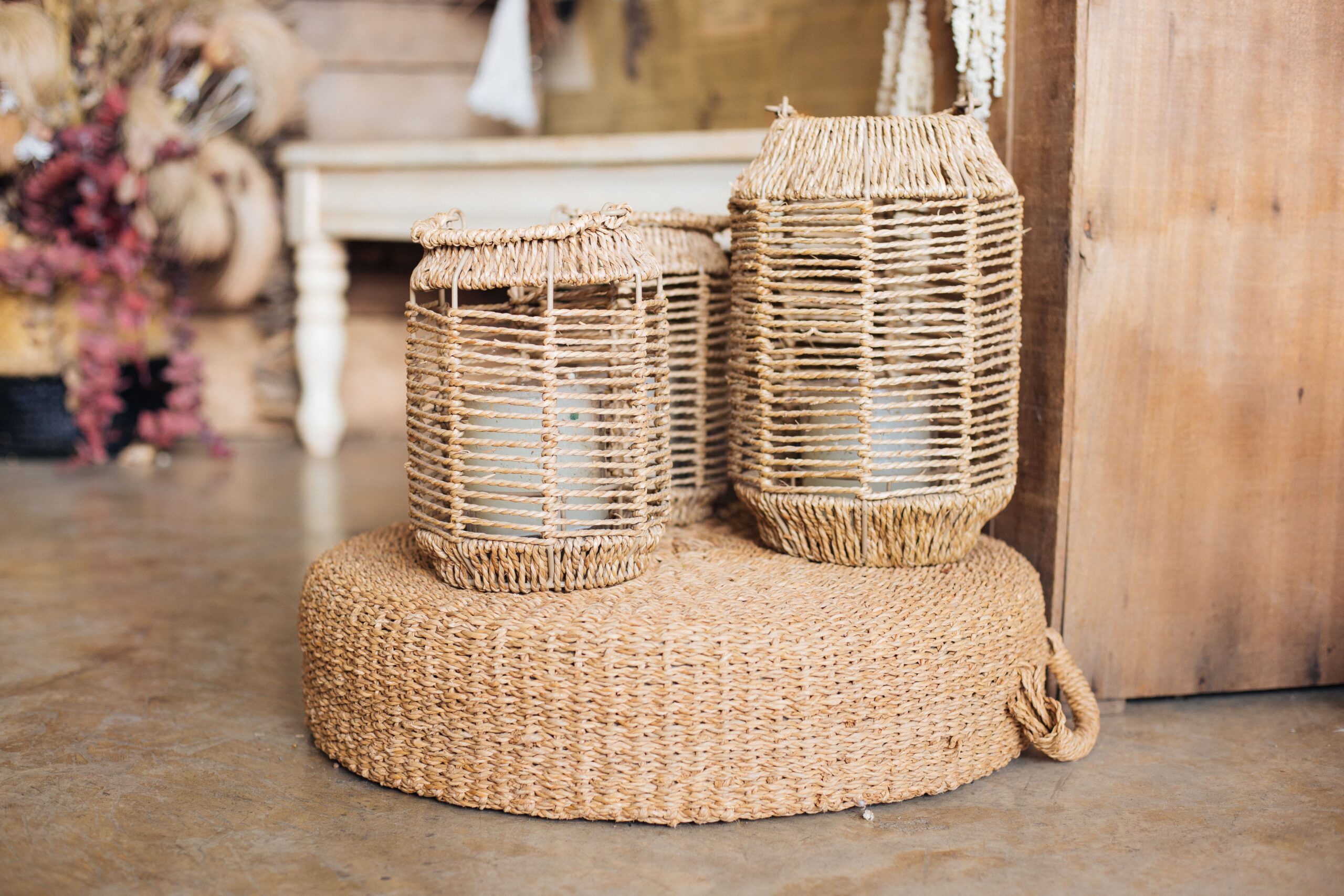
Natural materials make a boho room feel grounded and connected to the outdoors. Look for furniture and accessories made from wood, rattan, cane, bamboo, seagrass, ceramic, stone and woven fibers. These materials add variation without requiring bold color or complicated patterns.
- Choose a rattan chair or cane-front cabinet for lightness and texture.
- Use a wood coffee table with rounded edges to soften a boxy seating arrangement.
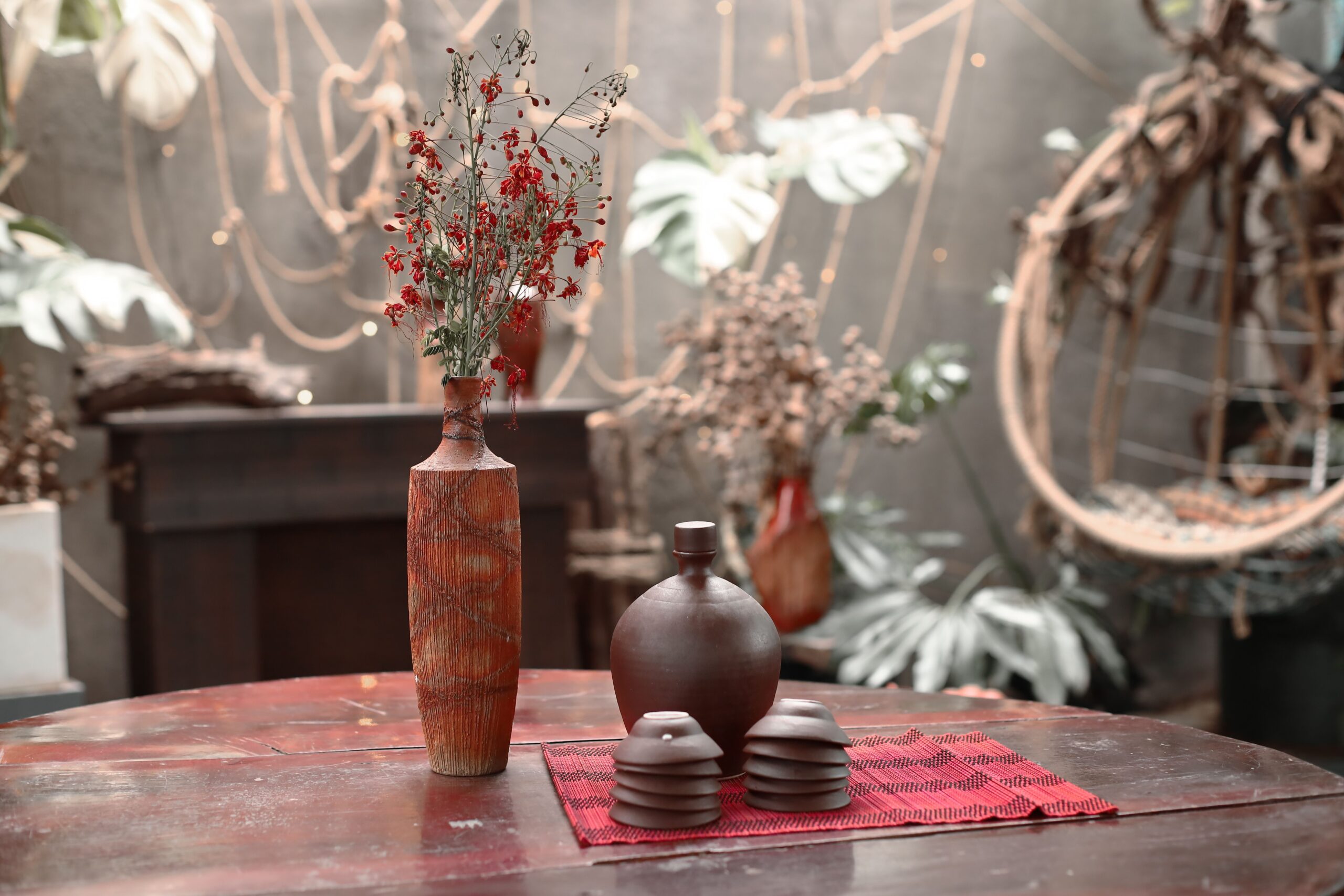
- Display ceramics in uneven shapes rather than identical decorative objects.
- Add a woven pendant light or paper lantern for a soft, diffused glow.
- Place baskets near the sofa, bed or entryway for attractive everyday storage.
Organic shapes are particularly useful in rooms with modern furniture or straight architectural lines. A curved mirror, sculptural vase, irregular side table or rounded ottoman can make the arrangement feel more welcoming. Look for pieces that appear handmade or slightly imperfect; small variations in glaze, weave and grain add warmth and individuality.
Do not overlook the ceiling and lighting. A woven pendant or natural fiber shade can become a focal point while casting beautiful shadows at night. Use warm bulbs between 2200K and 2700K, and add a floor lamp or table lamp so the room can be lit in layers instead of relying on one bright overhead fixture.
Add Greenery for a Fresh, Lived-In Atmosphere
Plants are a natural fit for boho interiors because they add movement, color and an organic sense of abundance. You do not need a large collection to make an impact. One tall plant in a woven basket can anchor an empty corner, while smaller plants on shelves or a side table add depth at different levels.
Choose plants according to the light your room receives. Snake plants, pothos, ZZ plants and rubber plants are reliable options for many indoor spaces. In bright rooms, consider an olive tree, bird of paradise or trailing fern. If natural light is limited, use one or two realistic faux plants rather than overcrowding the room with struggling greenery.
Vary the containers as well as the plants. A terracotta pot brings earthy color, a ceramic planter adds handmade character and a basket cover creates softness. Use plant stands to lift greenery off the floor and create a more layered composition. Keep leaves away from heating vents and make sure water cannot damage wood surfaces or rugs.
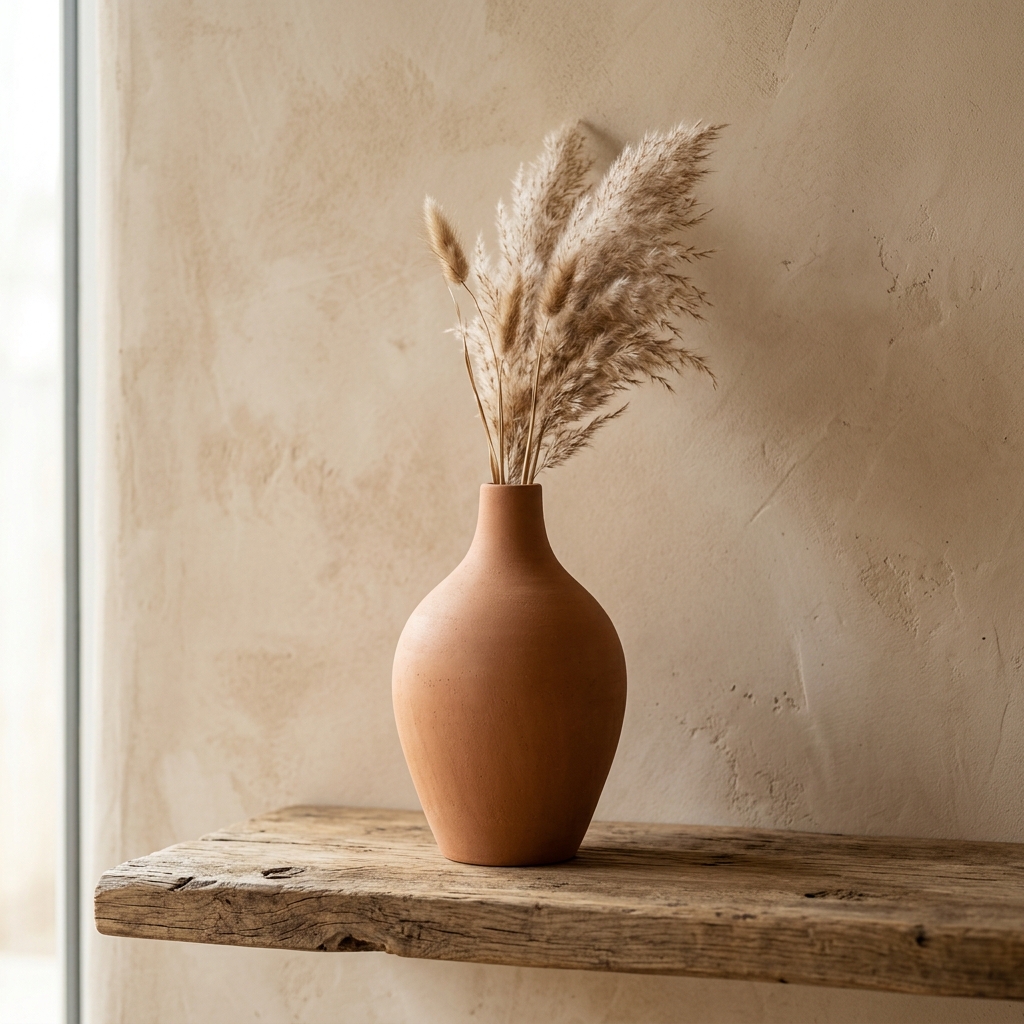
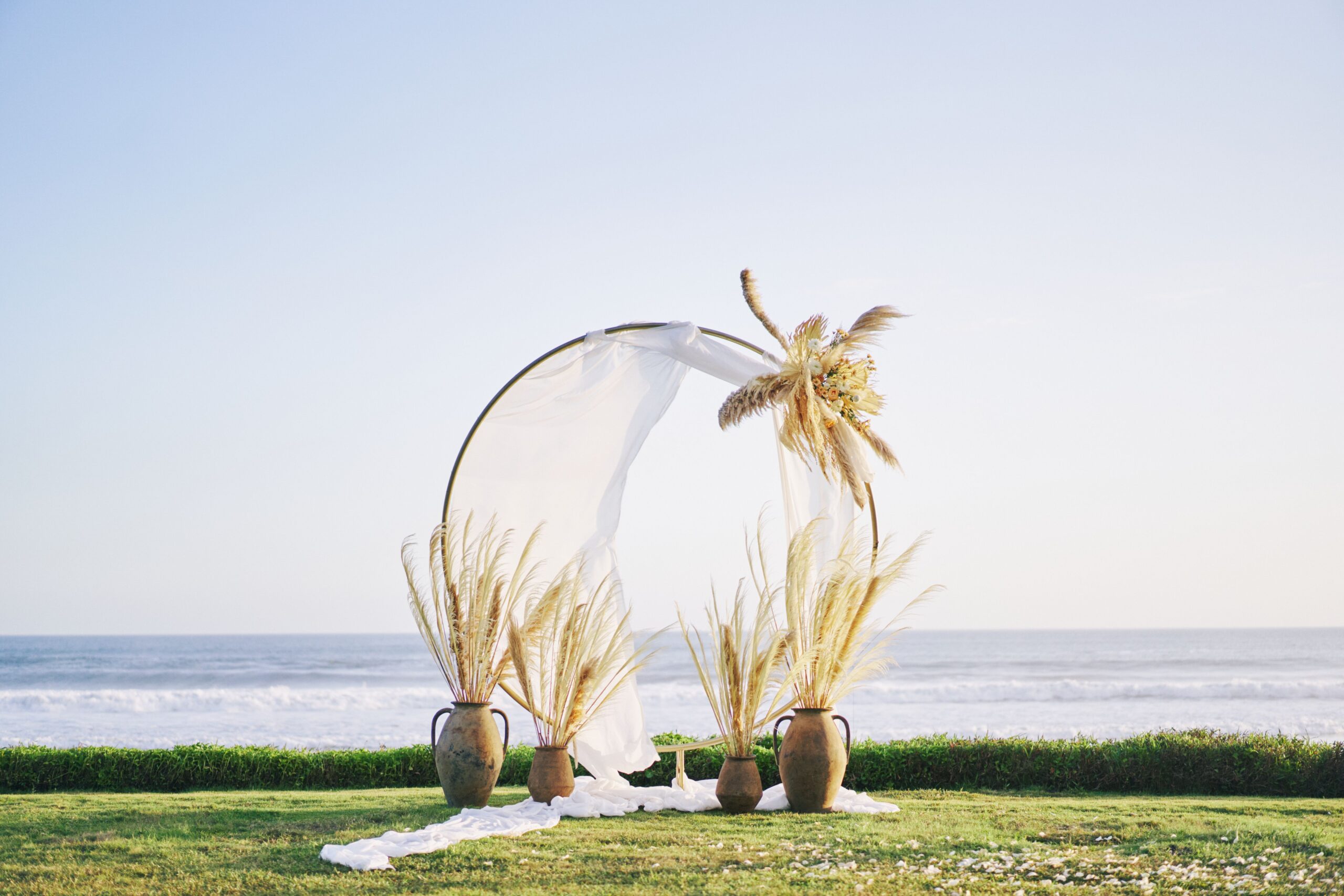
For a low-maintenance alternative, display dried pampas grass, eucalyptus, palm leaves or sculptural branches in a tall ceramic vase. Keep dried arrangements simple so they enhance the room without creating a dusty or overly rustic appearance.
Create Relaxed Seating and Intimate Zones
A cozy boho room should offer more than one comfortable way to sit. Arrange furniture to encourage conversation rather than pushing every piece against the walls. In a living room, place a sofa opposite two small chairs or a cushioned bench, then use a round coffee table to make the grouping feel approachable.
For a smaller room, choose furniture that performs more than one function. A storage ottoman can hold blankets, a pouf can work as a footrest or occasional seat, and a narrow console can double as a desk. Floor cushions are another easy way to create flexible seating, especially when covered in durable cotton or canvas.
Design a dedicated relaxation corner if space allows. Position a lounge chair near a window with a small drink table, a floor lamp and a basket for books or blankets. A reading nook does not need much room; even a corner beside a bookcase can become inviting with the right lighting and textiles.
Leave enough clearance to move comfortably around the furniture. Boho rooms may be layered, but they should never feel cramped. Keep pathways open, avoid blocking windows and use a few larger accessories instead of filling every surface with small items.
Finish with Personal, Collected Details
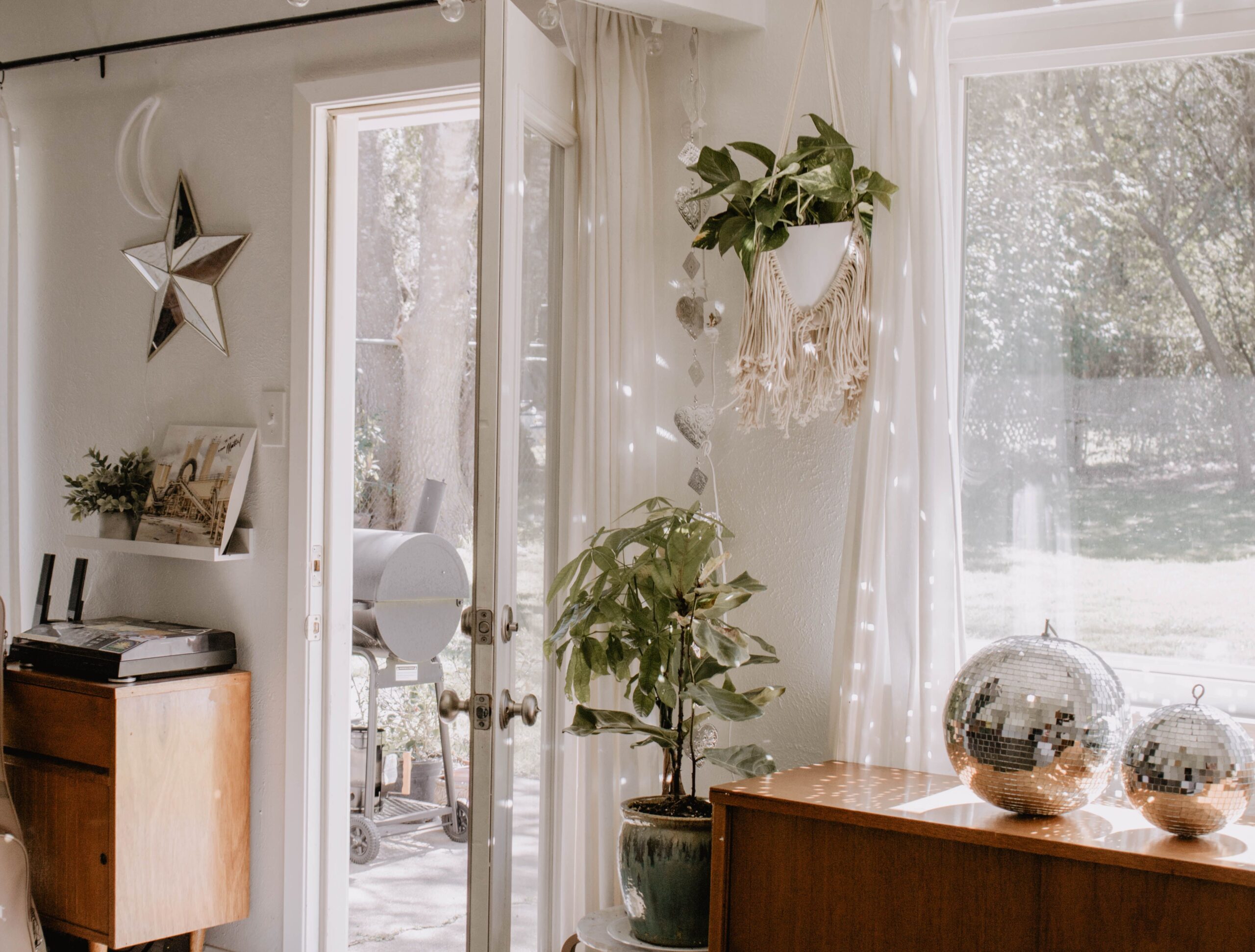
The final layer of boho style should reflect the people who live in the room. Display travel finds, framed textiles, handmade pottery, woven baskets, books, artwork and family treasures. Choose pieces because they have meaning or create a feeling—not simply because they match.
Create a relaxed gallery wall by combining framed prints, small mirrors, textile art and a few natural objects. Keep the arrangement cohesive through a shared palette, but allow the frames and artwork to vary slightly. If a gallery wall feels too busy, lean a large print against the wall on a console or dresser and layer smaller pieces in front of it.
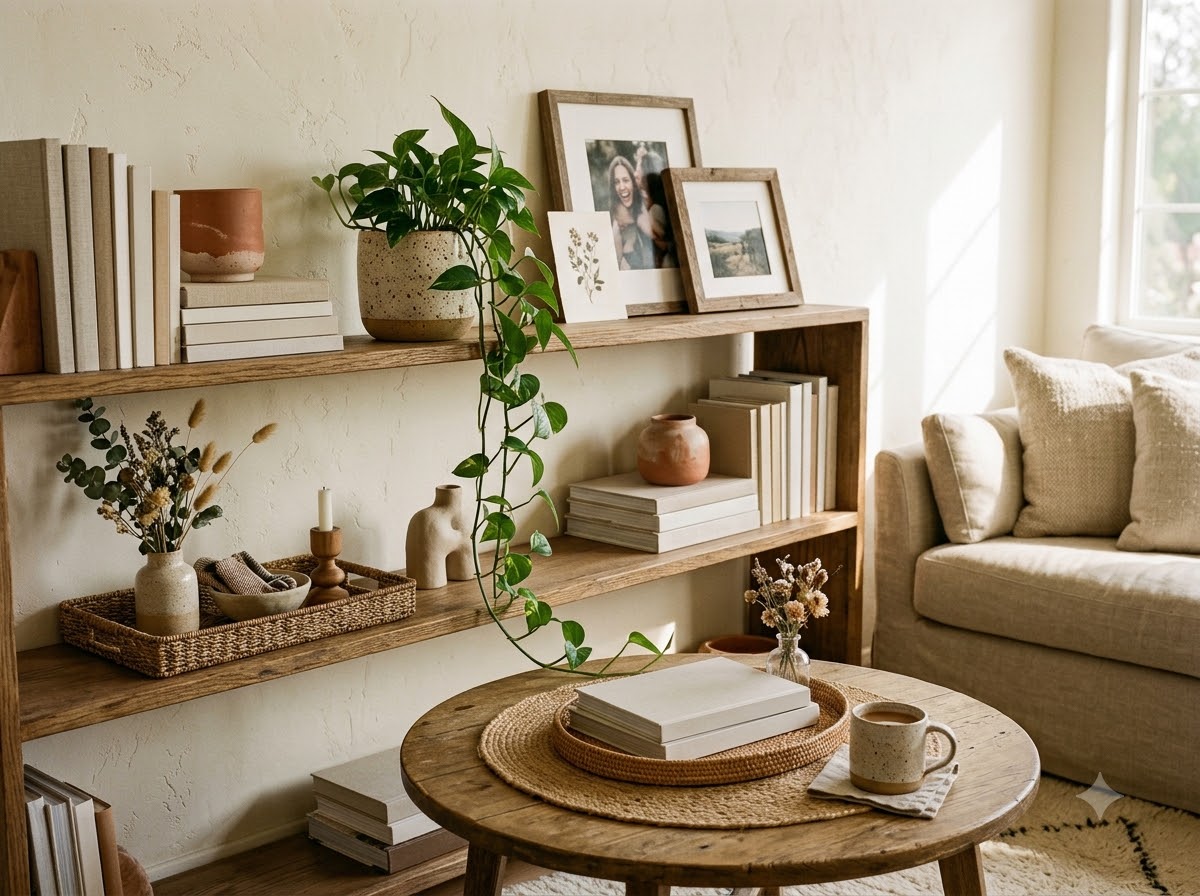
Open shelving works well for a curated boho display, but edit it regularly. Mix practical items with decorative ones: stack books horizontally, add a small plant, place ceramics beside baskets and leave some empty space. This prevents the collection from appearing cluttered.
Most importantly, keep the room usable. A basket for extra cushions, hooks for blankets and closed storage for daily clutter will help preserve the calm feeling. Cozy boho style is at its best when beauty and comfort work together—a space that looks warm, feels personal and makes everyday living more enjoyable.