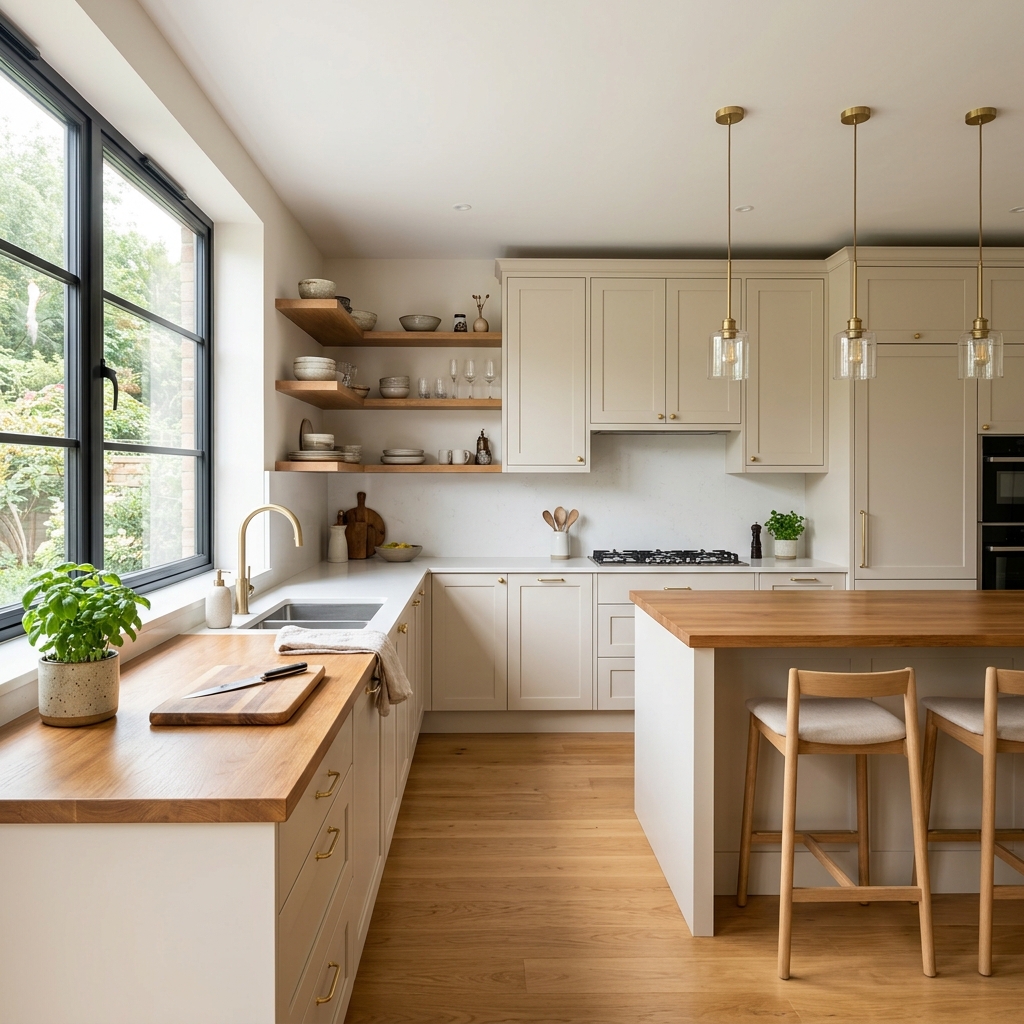
5 Interior Design Ideas That Make Any Home Feel More Beautiful and Intentional
A beautiful home does not need to be enormous, expensive, or filled with designer furniture. The most inviting spaces are often the ones that feel considered: colors relate to one another, furniture supports the way people live, and everyday objects are displayed with purpose. With a few thoughtful changes, any home can feel calmer, warmer, and more visually complete.
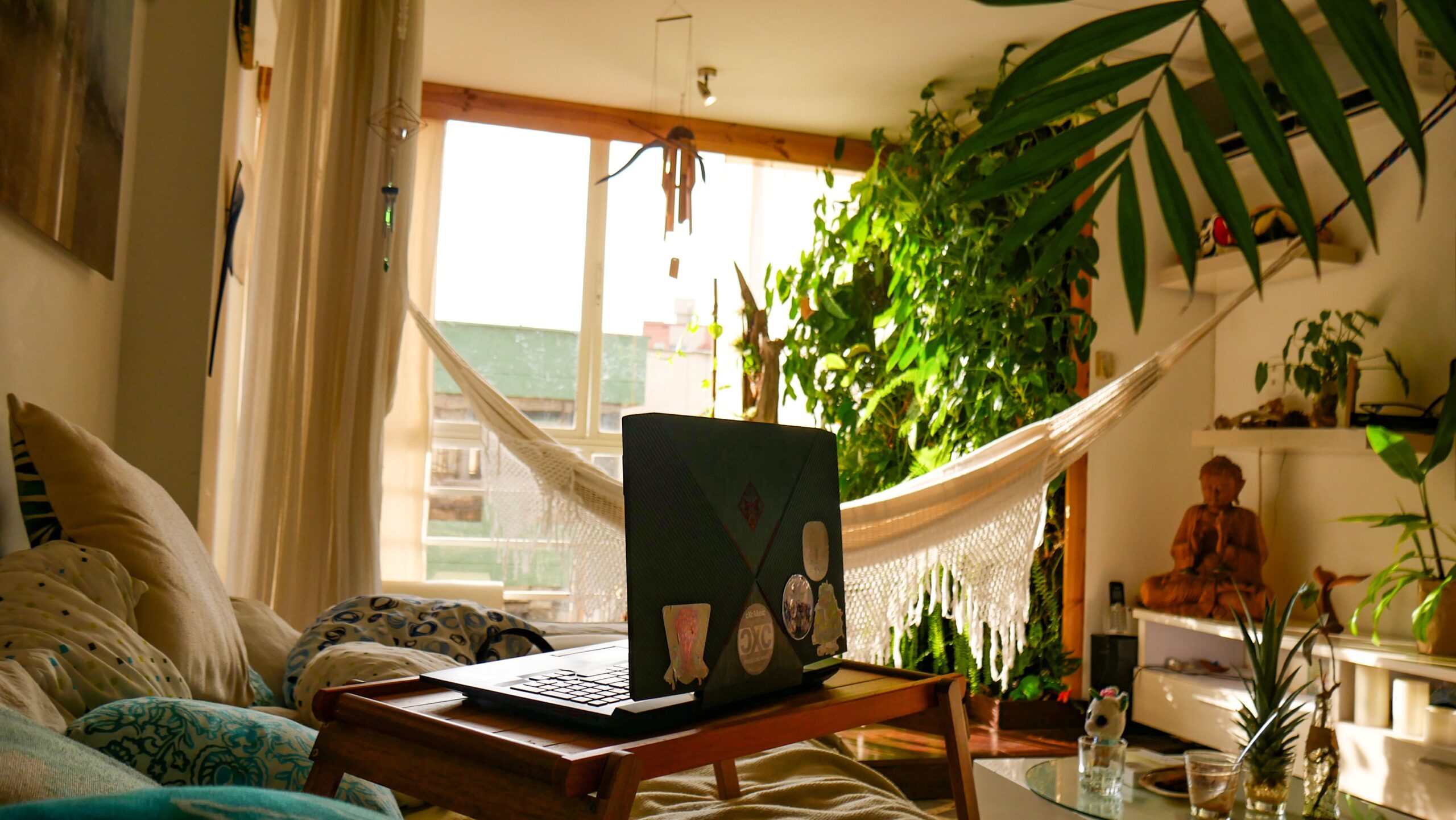
These five interior design ideas focus on the details that make a room feel intentional without making it feel overly styled. Use them throughout your home, adapt them to your personal taste, and build a look that feels both polished and genuinely lived-in.
1. Create a Consistent Color Story
One of the easiest ways to make a home feel cohesive is to establish a simple color palette that flows from room to room. This does not mean every space must look identical. Instead, choose a few recurring colors and use them in different proportions throughout the home.
Begin with a foundation of two or three neutral tones, such as warm white, soft beige, taupe, charcoal, or muted gray. Then add one or two accent colors that reflect your personality. Olive green, terracotta, dusty blue, ochre, and deep navy are versatile choices that bring character without overwhelming a space.
- Use the lightest shade on large surfaces: Walls, curtains, and larger upholstered pieces often work well in soft neutrals.
- Repeat accent colors: Echo a color in a cushion, piece of art, ceramic vase, or area rug so the room feels connected.
- Vary the intensity: Pair pale blue with denim or navy, or combine blush with rust and warm terracotta.
- Consider natural light: Warm colors can make north-facing rooms feel more welcoming, while cooler tones may balance bright, sunny spaces.
For example, a home palette of ivory, warm oak, olive green, and aged brass can move beautifully through an entire house. The living room might feature an olive accent chair, the kitchen could include green ceramics, and the bedroom might use olive linen pillows. The color connection is subtle, but it gives the home a composed feeling.
2. Layer Texture to Add Depth
Rooms can have beautiful colors and furniture yet still feel flat if every surface has the same visual quality. Texture gives a space depth, comfort, and dimension. It is especially important when decorating with a neutral palette.
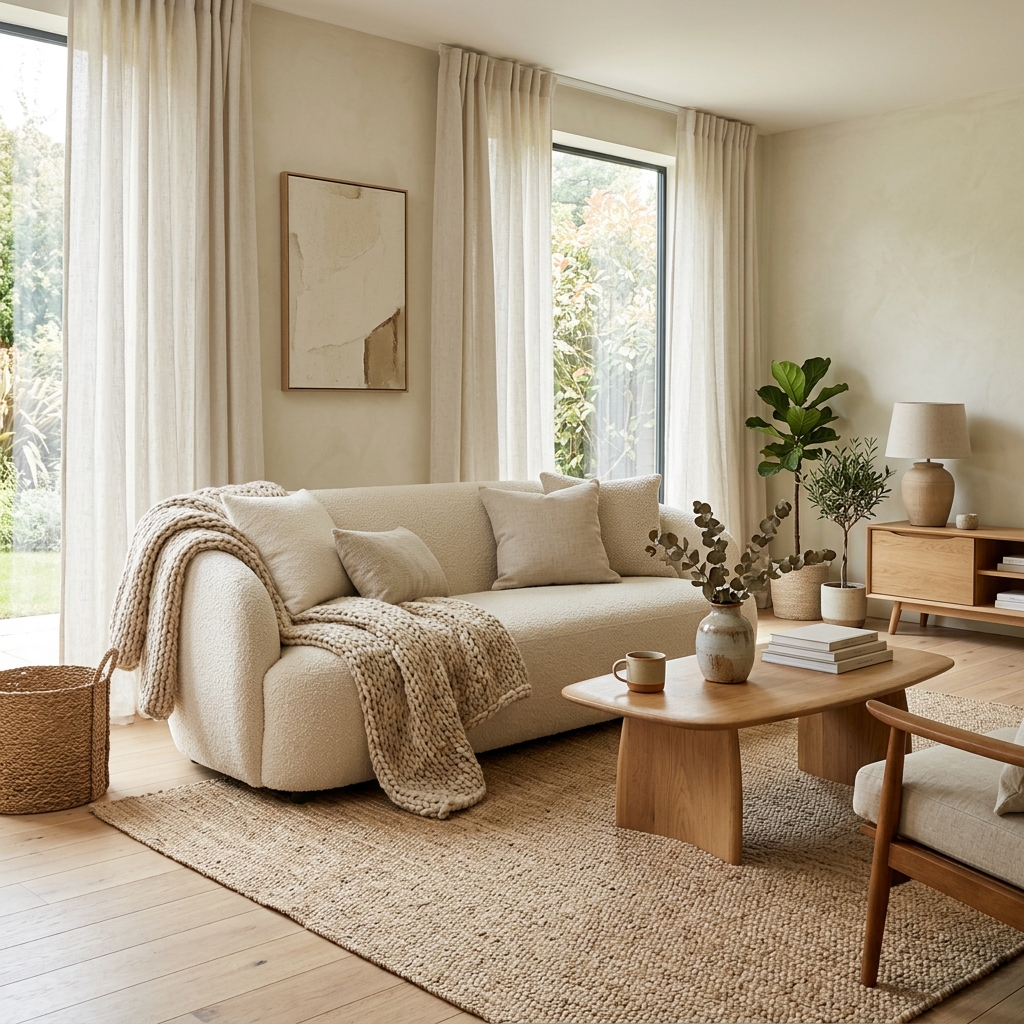
Think beyond soft fabrics. A well-layered room might include woven baskets, a rough stone bowl, smooth ceramics, brushed metal, natural wood, nubby upholstery, and a generously textured rug. The contrast between these materials makes even a simple room feel rich and inviting.
- Place a chunky throw over a smooth linen sofa.
- Pair a polished wood table with a woven pendant light.
- Add a boucle, velvet, or cotton cushion to a leather chair.
- Use a jute or wool rug to soften hard flooring.
- Combine matte pottery with glass, metal, or glossy tile.
Texture should also be considered vertically. Bare walls can feel unfinished, while layered walls create visual interest. Try hanging framed art above a console, placing a mirror beside a textured wall hanging, or adding a collection of baskets in an open dining area.
When working with neutrals, aim for contrast in finish rather than relying on many colors. A cream boucle chair, a pale oak table, a ribbed ceramic lamp, and a woven rug can create a welcoming room even when the palette remains quiet.
3. Choose Furniture for Conversation and Flow
Furniture has a major influence on whether a home feels comfortable and intentional. A room may contain beautiful pieces, but if they are pushed against walls or arranged without considering movement, the space can feel disconnected.
Start by identifying the room’s main purpose. In a living room, this may be conversation, reading, television viewing, or a combination of all three. Arrange seating so at least some pieces face one another rather than pointing everything toward a single wall. A sofa and two chairs around a coffee table often create a more social layout than a sofa positioned alone.
Allow enough space for movement. Main walkways should feel clear, and chairs should be easy to pull out without blocking doors or drawers. A coffee table should generally sit close enough to the sofa to be useful, while still leaving comfortable legroom. In smaller rooms, nesting tables, ottomans, and furniture with exposed legs can preserve a sense of openness.
Shop the Look
Do not be afraid to float furniture away from the walls. Even moving a sofa several inches forward can make a room feel more deliberately arranged. In an open-plan space, the back of a sofa can help define a living area, while a console table behind it adds storage and a finished appearance.
Finally, include a variety of heights. Combine a low coffee table, medium-height seating, and taller elements such as a floor lamp, bookcase, or large plant. This creates a more balanced composition and prevents the room from feeling visually heavy at one level.
4. Style Surfaces with Purposeful Groupings
Open shelves, coffee tables, consoles, and dressers are opportunities to express personality, but they can quickly become cluttered. The secret to attractive surface styling is to create small, intentional groupings instead of scattering individual objects everywhere.
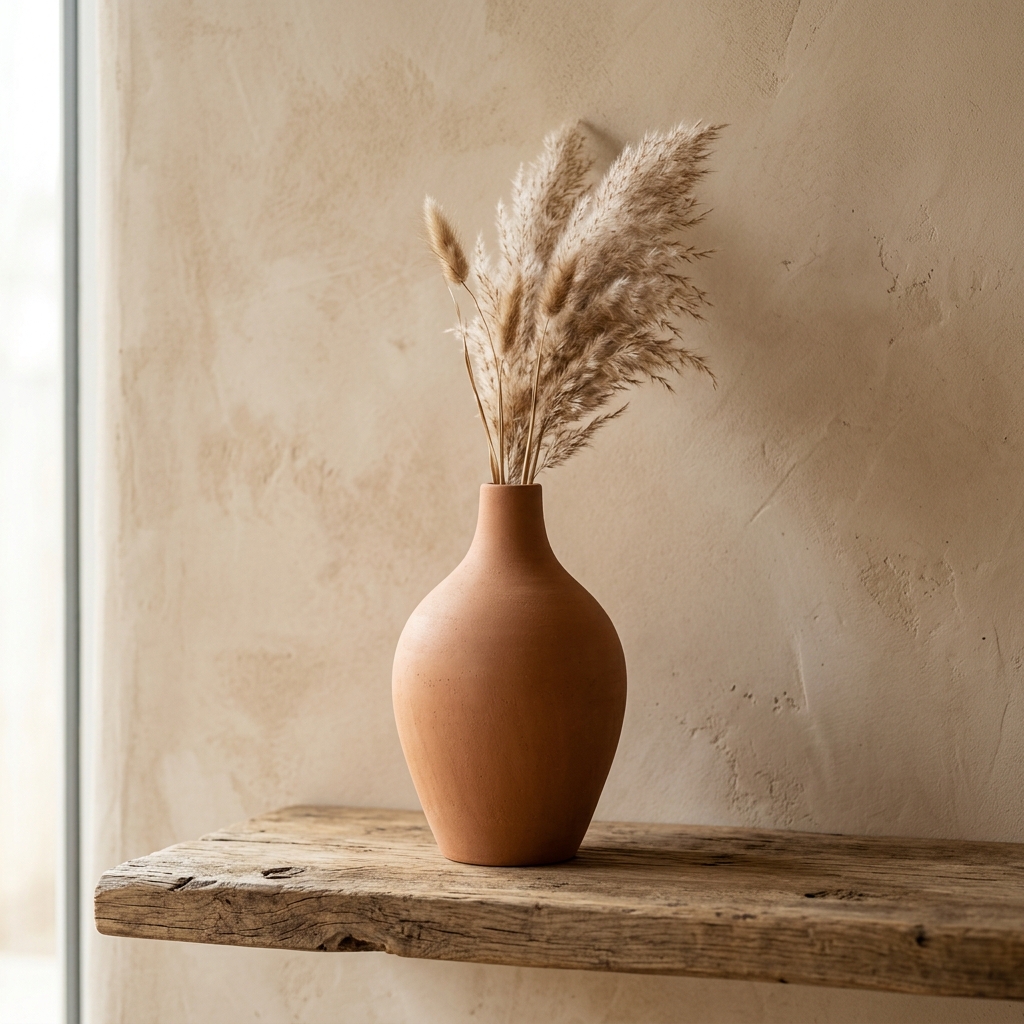
Use the rule of three as a starting point. Group items in varied heights, shapes, and materials, such as a tall vase, a medium-sized framed photograph, and a low ceramic bowl. The difference in scale keeps the arrangement interesting while the limited number of pieces prevents it from feeling busy.
- Anchor the arrangement: Begin with one larger object, such as a lamp, artwork, mirror, or substantial vase.
- Add a vertical element: Books, branches, candlesticks, or a tall sculpture draw the eye upward.
- Include something organic: Fresh flowers, a potted plant, driftwood, or a bowl of fruit adds life.
- Leave breathing room: Empty space is part of the design and helps special objects stand out.
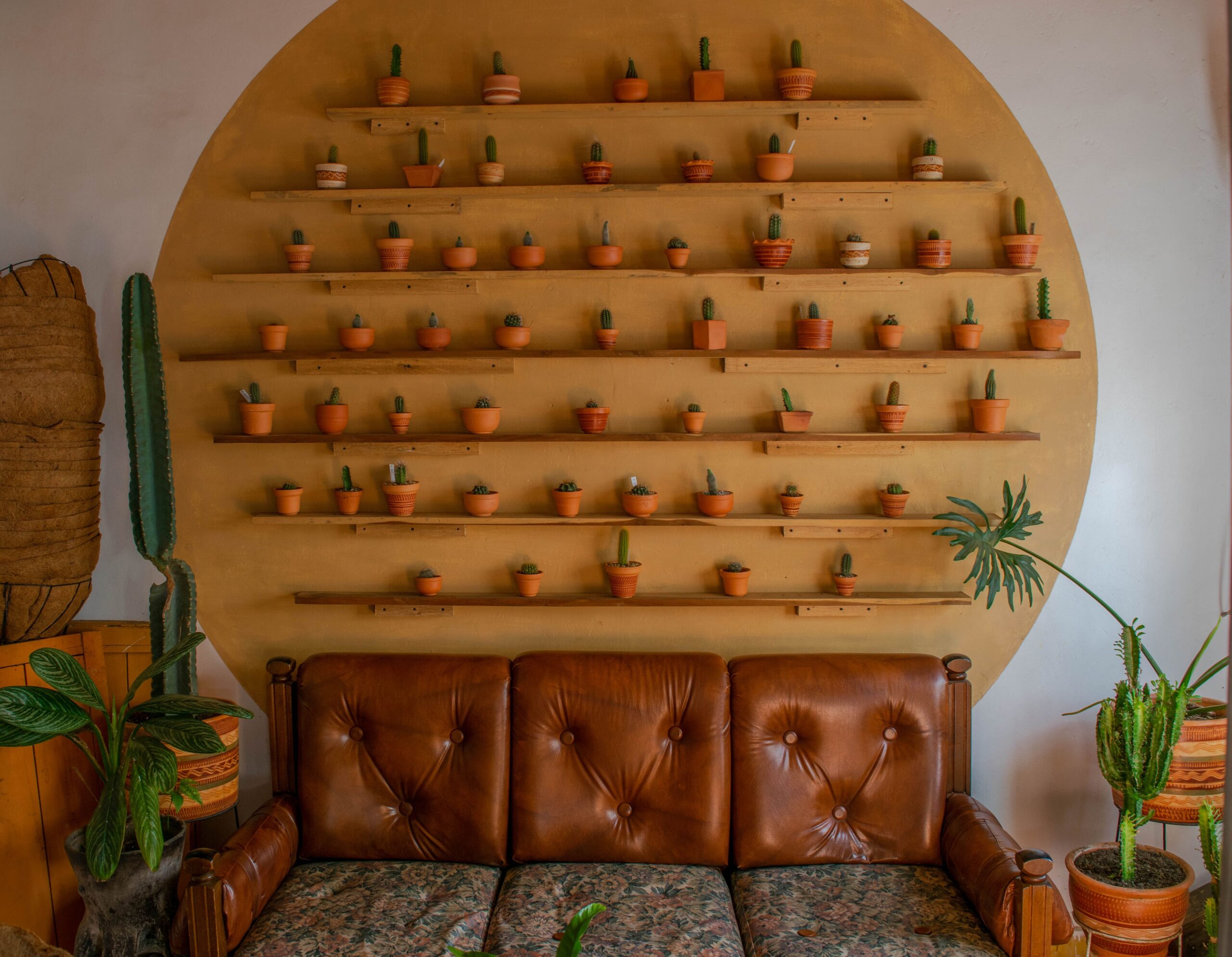
On a coffee table, use a tray to gather remote controls, candles, and decorative objects into one organized zone. On a console, lean artwork against the wall rather than hanging everything, then layer a lamp and a small bowl in front. In the kitchen, display only the tools you use often, such as a wooden cutting board, a ceramic utensil holder, or a beautiful olive oil bottle.
Rotate decorative objects seasonally or whenever a room begins to feel visually crowded. A home feels more intentional when collections are edited. Keep the pieces that have meaning, work well with the room, or contribute useful beauty.
5. Add Warmth Through Lighting and Personal Details
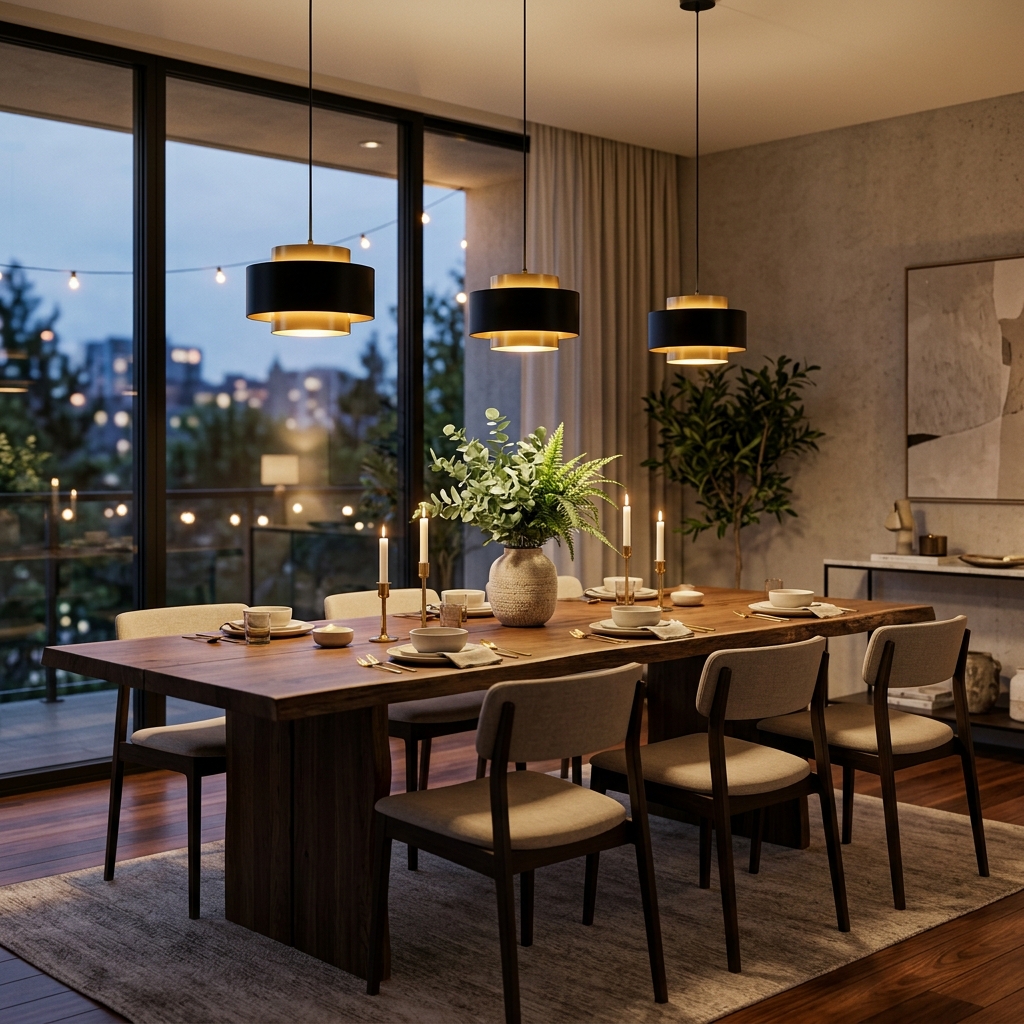
Lighting can transform the atmosphere of a home more dramatically than almost any other design element. A single bright ceiling fixture often creates a harsh, unfinished feeling, while multiple sources of warm light make a room feel layered and comfortable.
Try to include at least three types of lighting in frequently used rooms: ambient, task, and accent lighting. Ambient light provides general illumination, task lighting supports activities such as reading or cooking, and accent lighting highlights art, architecture, or decorative objects.
- Place a table lamp on a console, side table, or open shelf.
- Use a floor lamp beside a reading chair or in a dark corner.
- Install under-cabinet lighting in the kitchen for practical evening illumination.
- Highlight artwork with a picture light or a small directional fixture.
- Choose warm-toned bulbs, generally around 2700K, for living areas and bedrooms.
Whenever possible, use dimmers so the mood can change throughout the day. Bright light may be useful while cleaning or preparing food, while softer light is more inviting for dinner or relaxing in the evening. Lampshades also matter: linen, paper, and frosted glass soften the glow and create a more flattering atmosphere.
Personal details are the final layer that makes a home feel beautiful rather than staged. Display travel finds, family photographs, inherited furniture, favorite books, handmade pottery, or artwork created by someone you love. These pieces do not need to match perfectly. Their meaning gives the room character and creates a sense of history.
How to Bring the Five Ideas Together
For the most cohesive result, make changes gradually. First, remove items that no longer serve the room or your lifestyle. Then establish a color direction, improve the furniture layout, and add texture through rugs, curtains, cushions, and natural materials. Once the foundation feels balanced, style surfaces and refine the lighting.
Remember that intentional design is not about perfection. It is about making choices that support how you live. A family room can be refined and still include toy baskets. A bedroom can feel luxurious without expensive furniture. A small apartment can have a strong design identity through color, texture, and thoughtful arrangement.
When every room includes a clear palette, comfortable proportions, layered materials, purposeful objects, and warm lighting, the entire home begins to feel more beautiful and connected. The result is a space that looks considered while remaining comfortable, personal, and ready for everyday life.