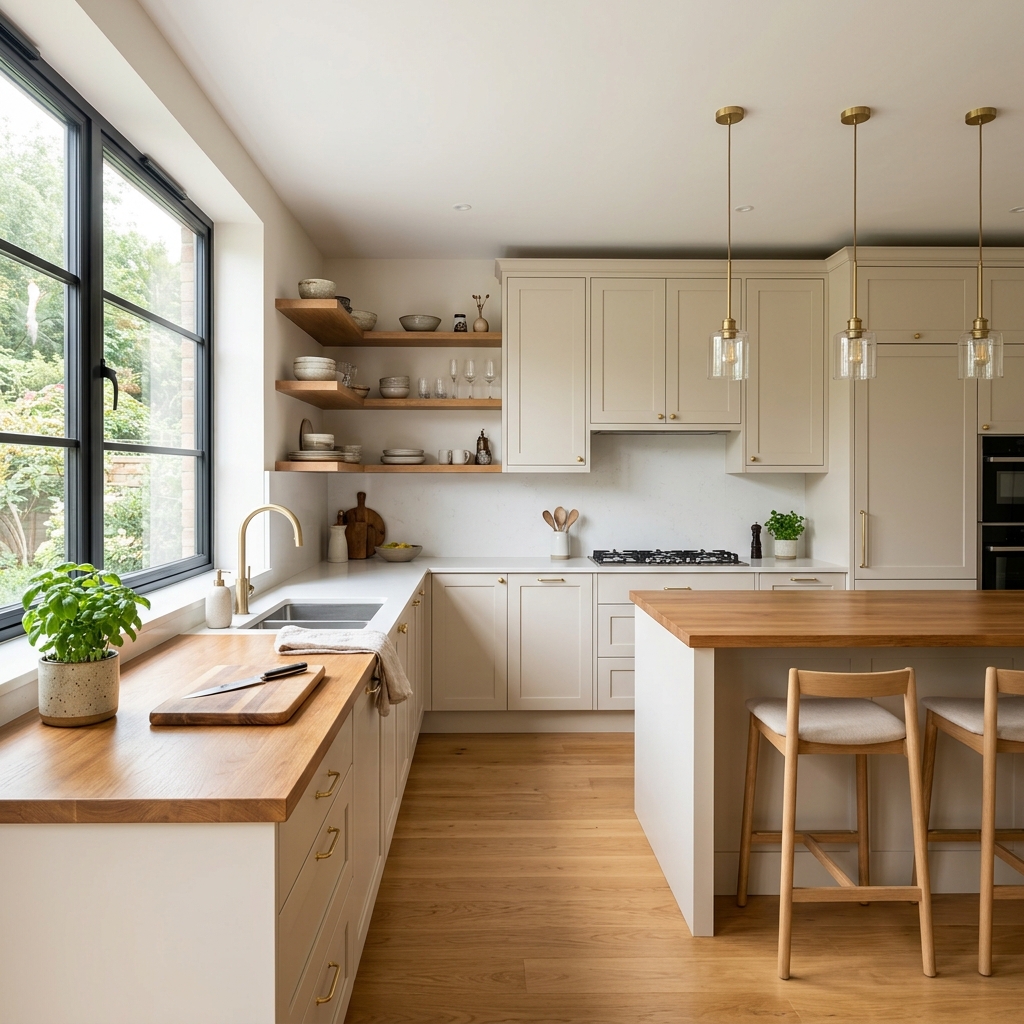
Boho room decor is all about creating a home that feels collected, relaxed and richly personal. The style blends natural materials, expressive color, global-inspired patterns and layers of soft texture without looking overly coordinated. A beautiful boho room should feel comfortable enough for everyday living, yet distinctive enough to reflect the people who live there.
Whether you prefer earthy neutrals, colorful textiles or a more modern interpretation of bohemian style, the key is balance. Combine handcrafted details with practical furniture, mix patterns at different scales and leave enough breathing room for the room to feel calm. These boho decorating ideas will help you create a stylish home with warmth, character and an inviting sense of ease.
Start with a Warm, Earthy Boho Color Palette
Color establishes the mood of a boho room. Traditional bohemian interiors often feature saturated jewel tones, while contemporary boho spaces tend to use warm neutrals as a foundation. Think creamy white, sand, camel, terracotta, cinnamon, olive green and muted mustard.
Begin with one dominant wall or furniture color, then build a layered palette around it. For example, soft ivory walls can support a camel sofa, rust-colored cushions, olive textiles and small accents in black or aged brass. If you prefer a more colorful room, combine deep teal with ochre, burnt orange and dusty rose.
- For a calming bedroom: use warm white, clay, tan and muted sage.
- For a lively living room: combine terracotta, mustard, teal and natural wood.
- For a modern boho space: pair cream, charcoal, cognac leather and soft greenery.
- For a cozy reading corner: use caramel, rust, plum and woven beige textures.
Use the strongest colors in removable pieces such as rugs, pillows, throws and artwork. This makes it easy to refresh the room seasonally without repainting or replacing large furniture.
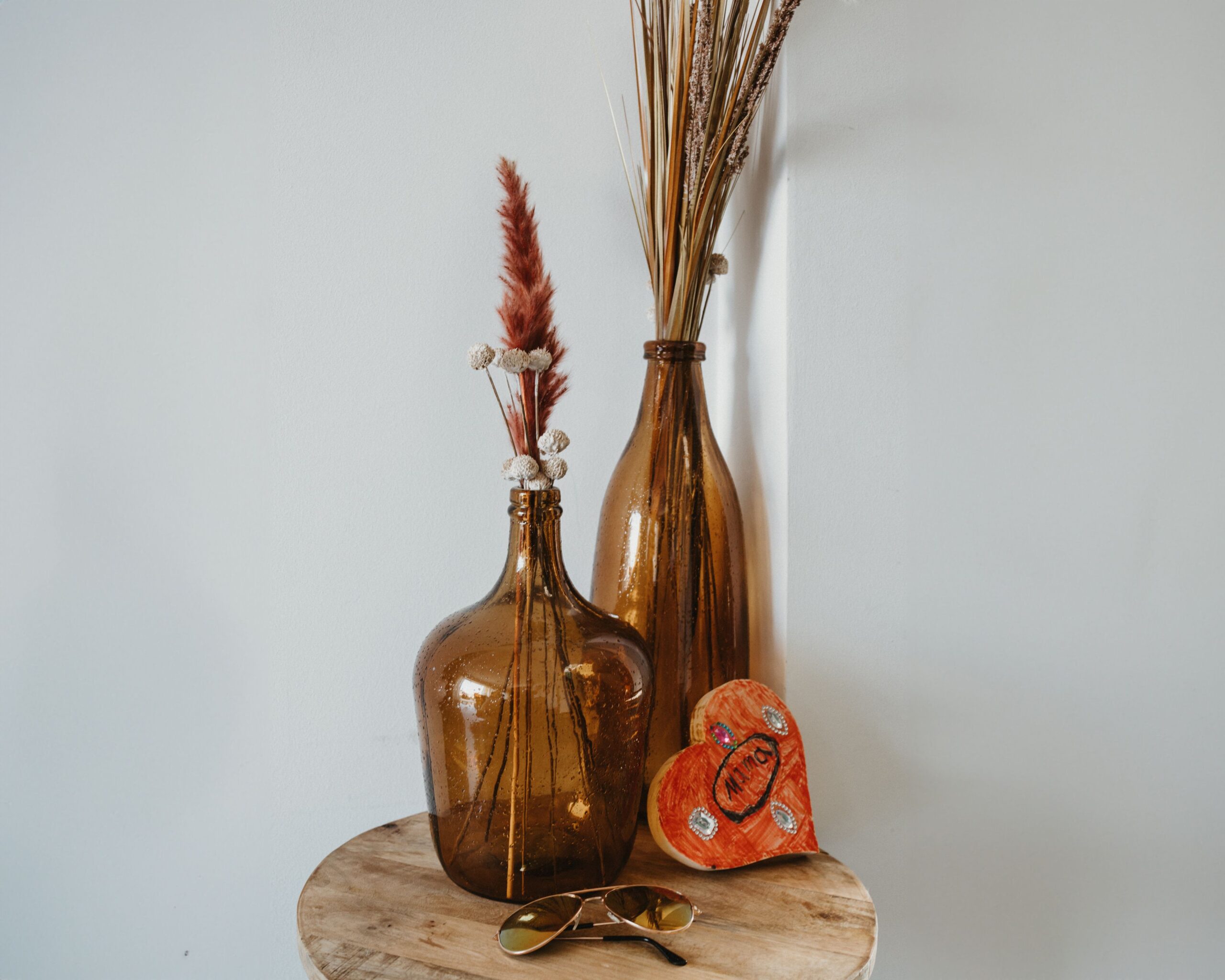
Layer Natural Textures for Instant Boho Warmth
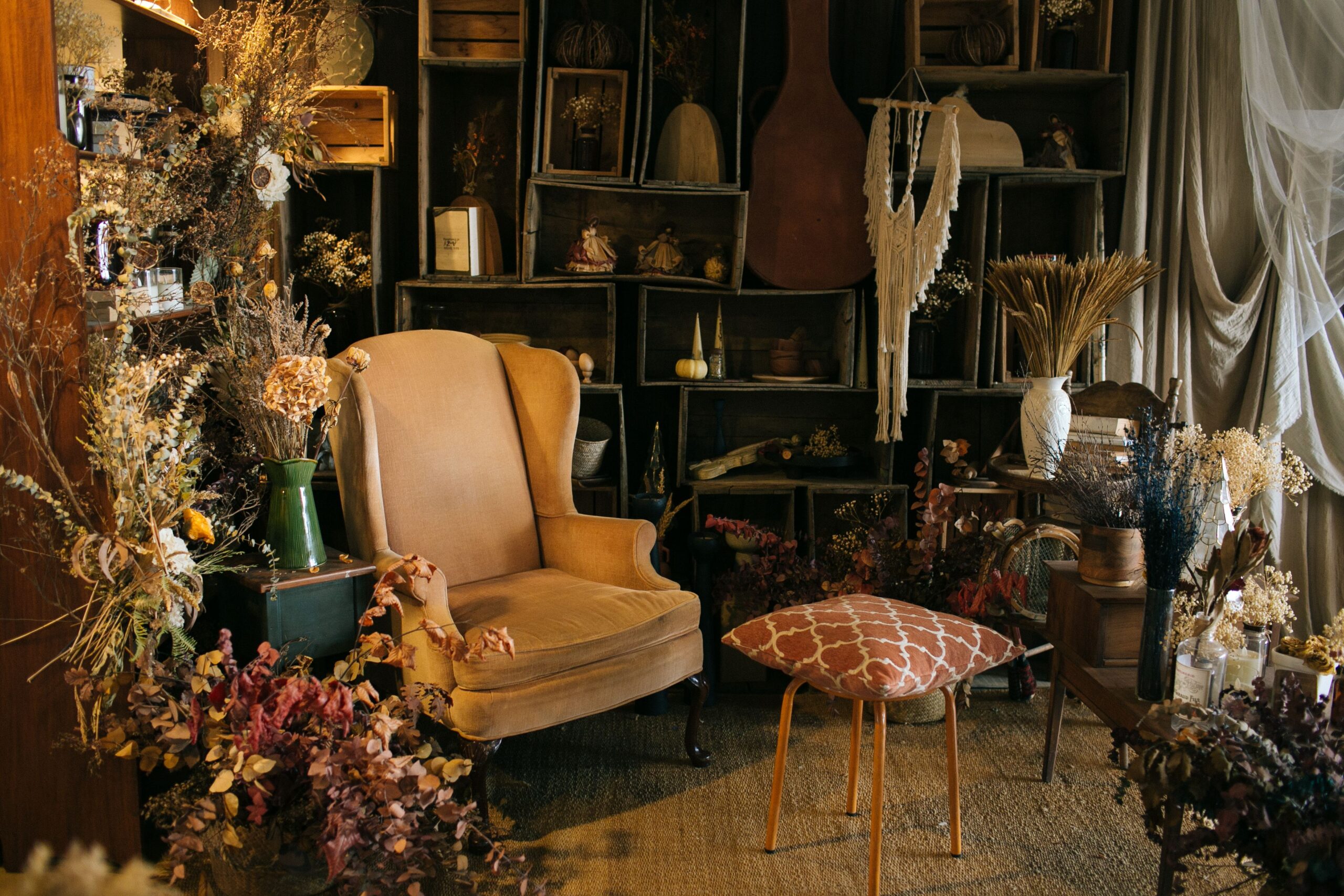
Texture is one of the most important elements in boho decor. A neutral room can still feel full of personality when it includes a variety of tactile surfaces. Mix smooth, rough, nubby, woven and slightly imperfect materials to create visual depth.
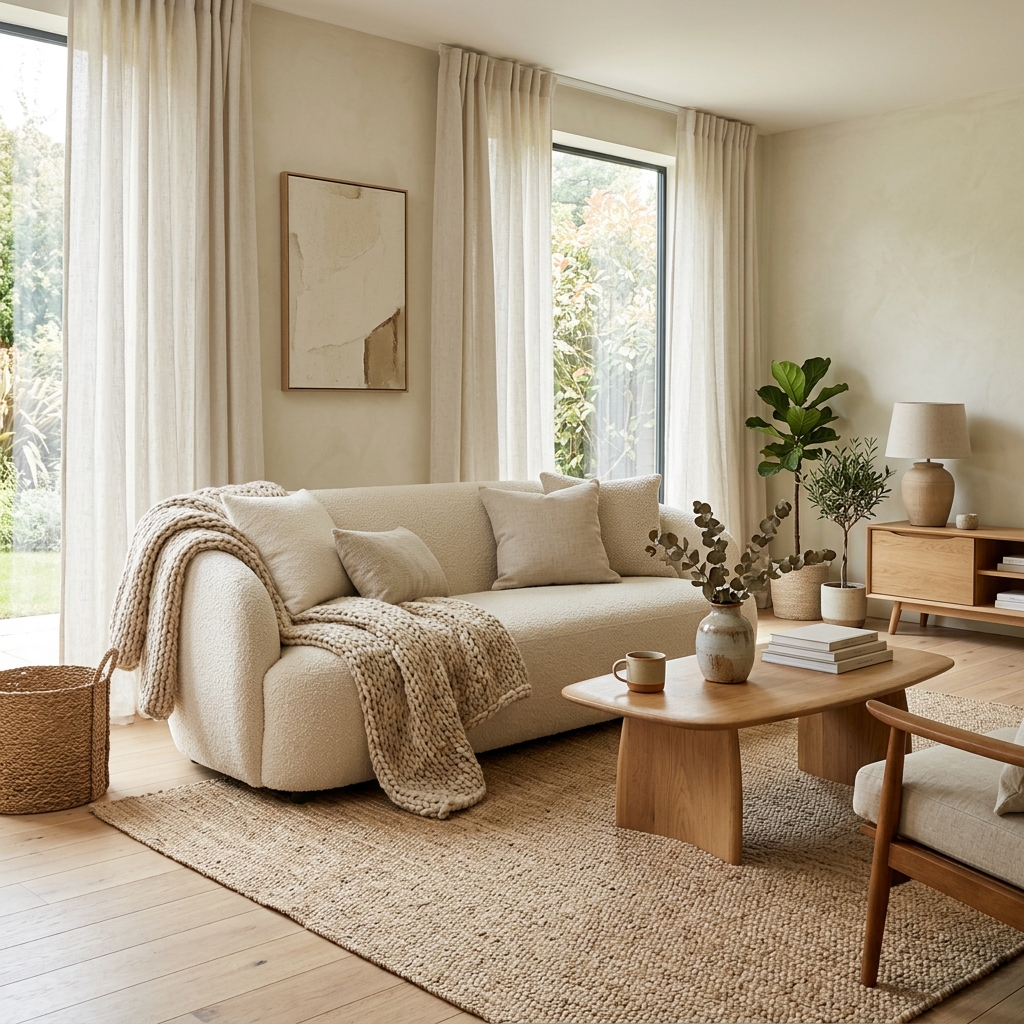
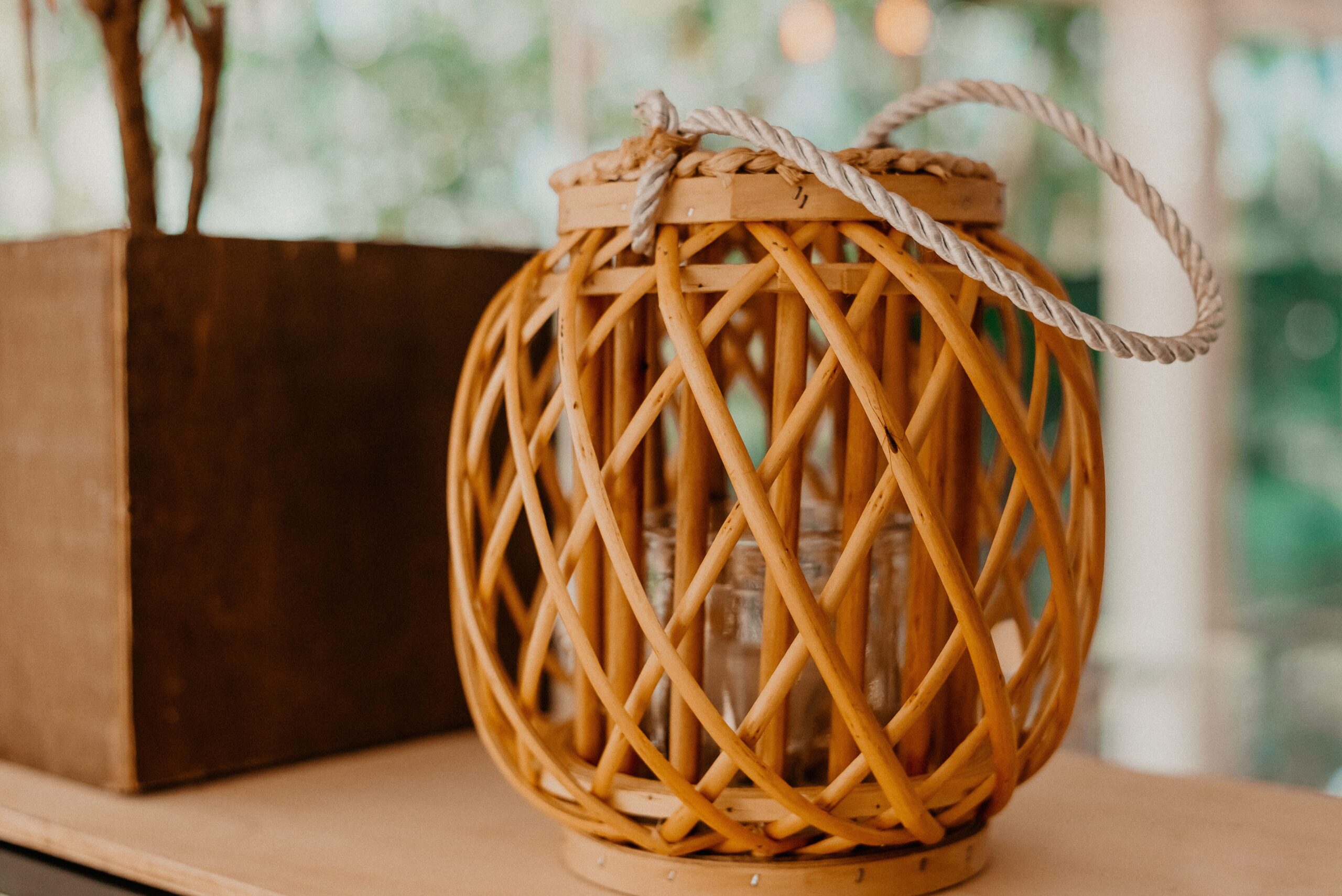
Start with a foundation of natural wood, rattan or bamboo. Add a jute rug beneath the seating area, linen curtains at the windows and a chunky wool throw across the sofa. Decorative baskets can hold blankets, magazines or children’s toys while also contributing to the overall look.
- Layer a small patterned rug over a larger jute or sisal rug.
- Place a rattan tray on an ottoman to introduce structure and practicality.
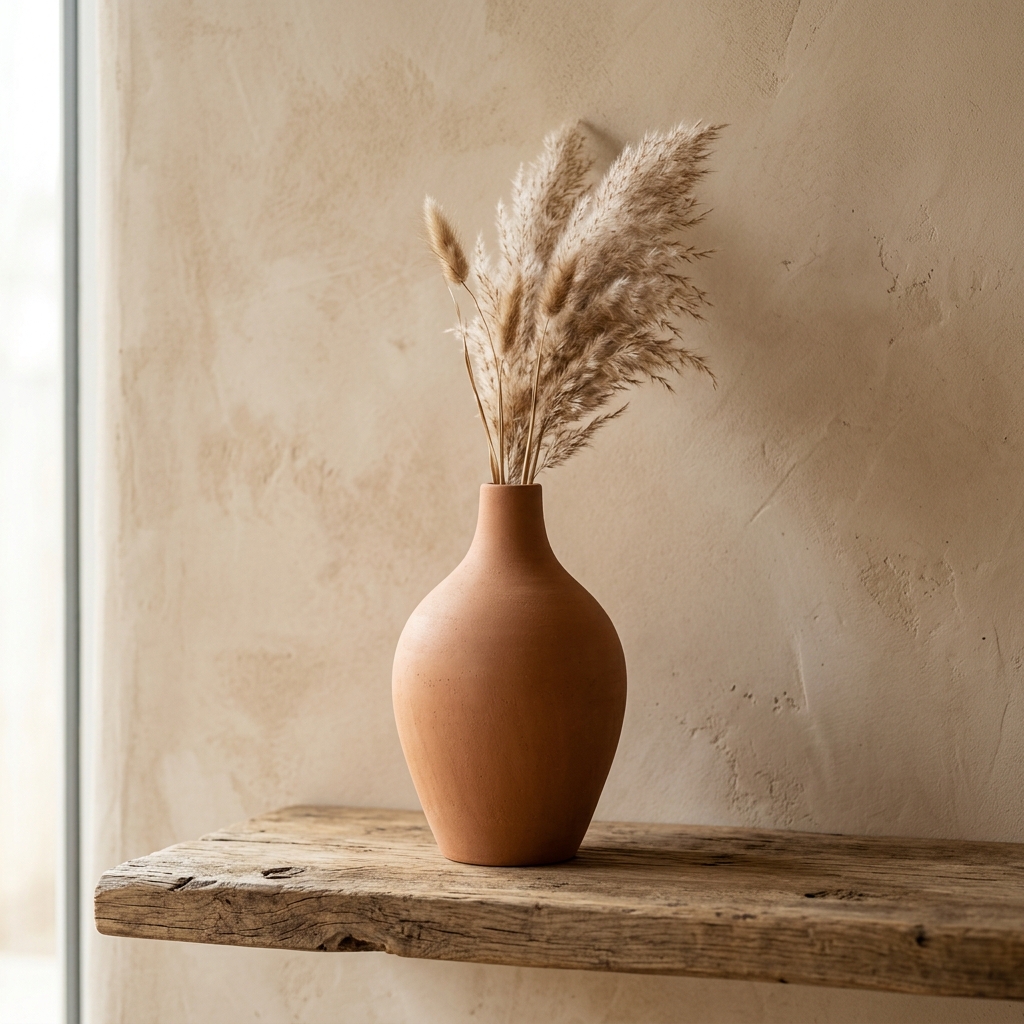
- Use ceramic vases with handmade variations rather than perfectly matching pieces.
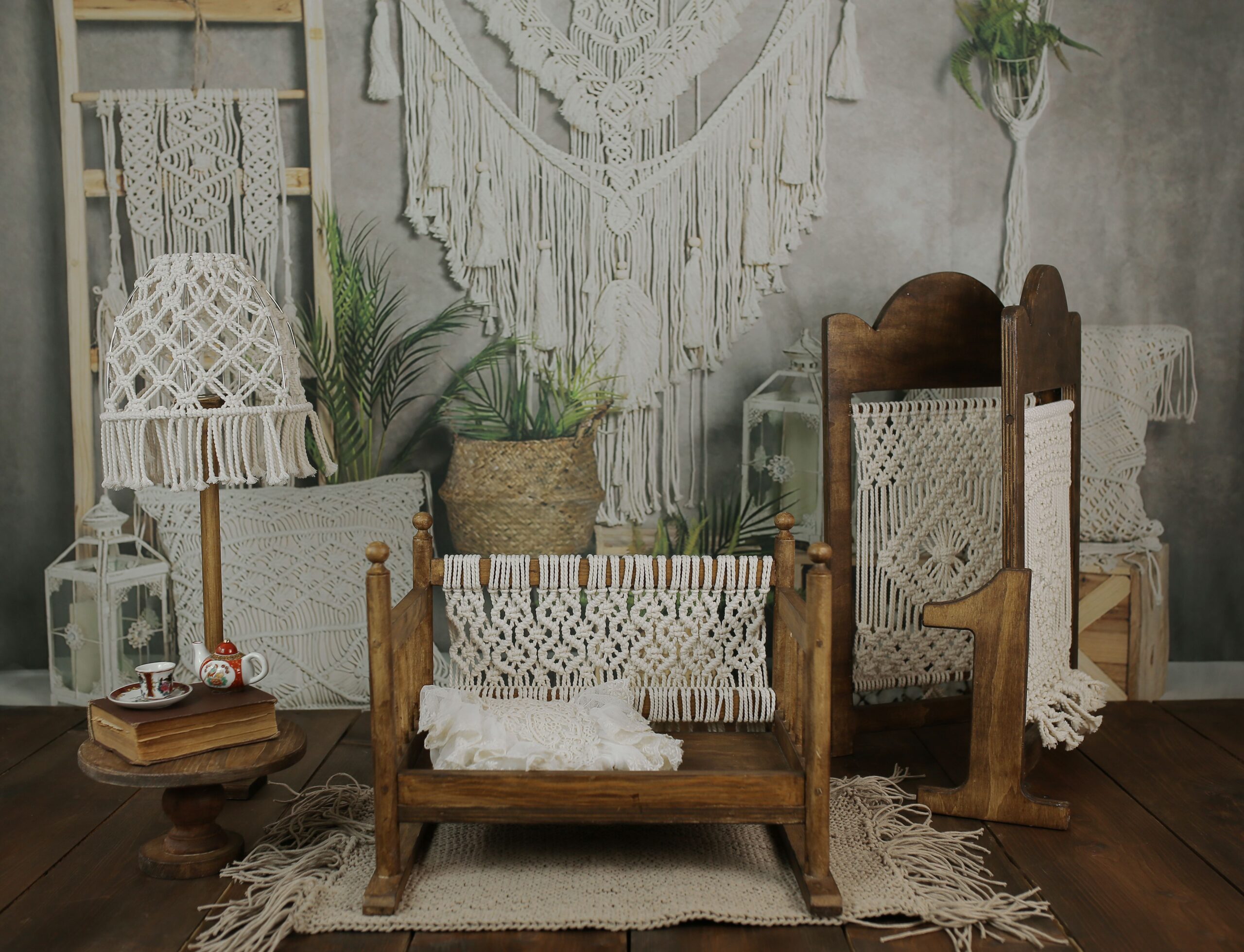
- Add macramé, woven wall art or a textile tapestry to soften hard walls.
- Mix matte materials with subtle shine, such as aged brass, glazed pottery or colored glass.
Avoid using only one type of woven material. Too much rattan, for example, can make a room feel repetitive. Balance it with cotton, linen, leather, wood, metal and stone for a more refined result.
Create a Comfortable Boho Living Room
A boho living room should encourage conversation, relaxation and informal gatherings. Choose seating that feels soft and welcoming rather than overly formal. A low-profile sofa in cream, camel or warm gray makes a versatile anchor, while a vintage leather chair or woven accent chair adds personality.
Arrange furniture around a central rug instead of pushing every piece against the walls. If the room is large, create smaller zones with a sofa and coffee table in one area, then add a reading chair and floor lamp in another. This makes the space feel intentional while preserving the relaxed quality associated with bohemian style.
Style the Coffee Table with Purpose
Keep the coffee table layered but useful. A shallow tray can gather candles, a small vase and a stack of art or travel books. Add one organic element, such as a bowl of stones, a dried branch or a small potted plant. Leave part of the surface open for drinks and everyday use.
Add Personality with Collected Accents
Instead of buying a complete matching set, select pieces that appear to have been gathered over time. Display a vintage mirror beside contemporary artwork, or pair a sculptural ceramic lamp with an antique-style side table. The most successful boho rooms often include a mixture of old and new, polished and rustic, practical and decorative.
Design a Dreamy Boho Bedroom
The bedroom is an ideal place to embrace the softer side of boho style. Begin with natural bedding in ivory, oatmeal or warm white, then layer in patterned quilts, kantha-style throws or cushions in rust, olive and faded blue.
A low wooden bed or a simple upholstered headboard works beautifully as a foundation. For a more dramatic look, hang a textile behind the bed or install a rattan headboard. If you use a canopy, choose lightweight linen or gauzy cotton so the effect feels airy rather than heavy.
Shop the Look
- Layer two or three rugs beside and beneath the bed for a soft landing in the morning.
- Use mismatched bedside tables if they share a similar height or finish.
- Replace harsh overhead lighting with warm bedside lamps, sconces or a pendant.
- Display a small collection of framed prints, woven art or pressed botanical pieces above the bed.
- Add a large plant in a textured planter to bring life and height into the room.
Keep the bedroom restful by limiting the number of strong patterns. Select one main pattern for the quilt or rug, then use smaller-scale motifs on cushions and artwork. This creates interest without making the space feel visually busy.
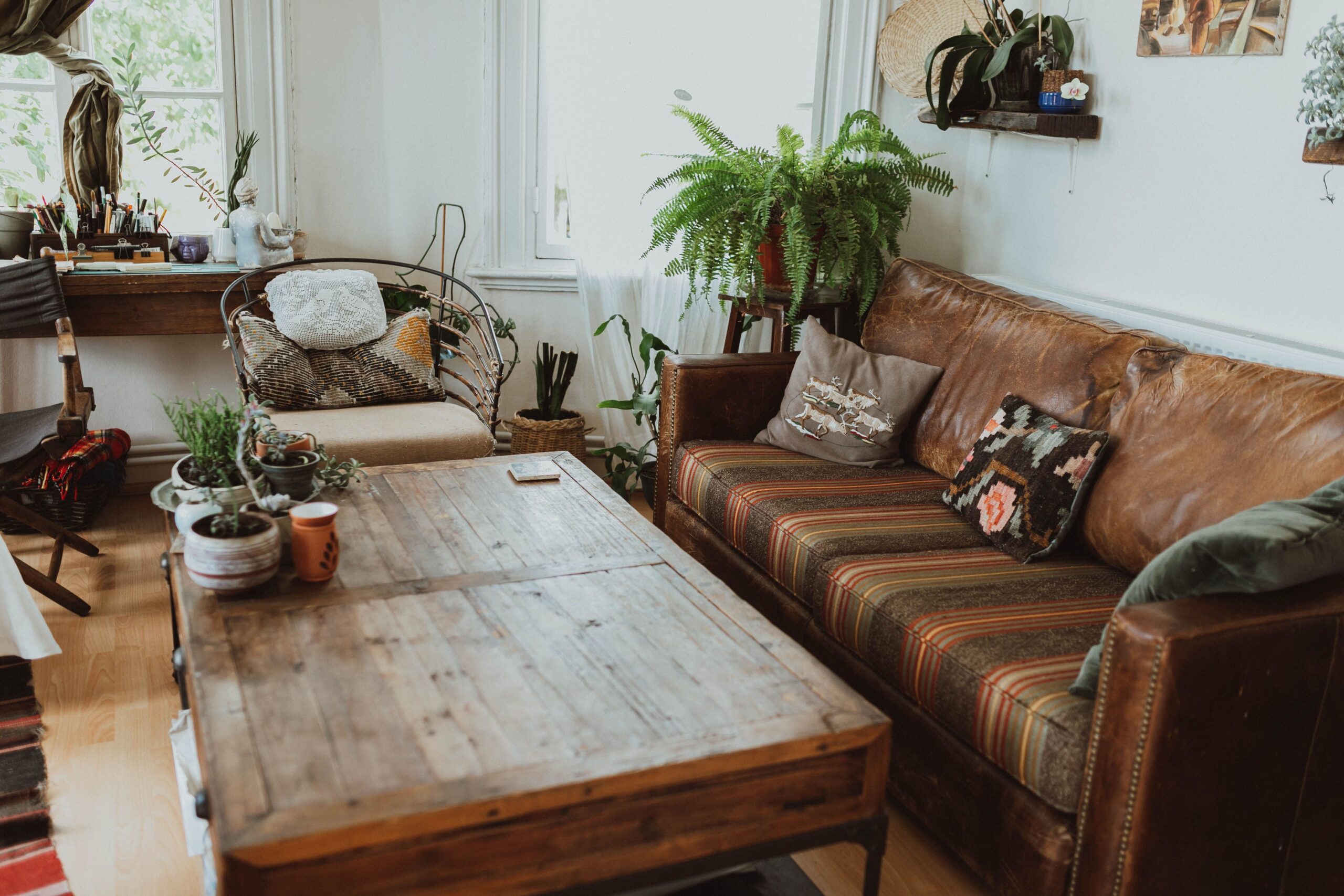
Bring Boho Style into a Small Space
Boho decor can work especially well in compact rooms because it relies on layering and personality rather than large quantities of furniture. The challenge is to create richness without making the space feel crowded.
Choose furniture with visible legs or open woven bases to maintain a sense of lightness. A narrow console, floating shelf or wall-mounted bedside table can provide useful storage without taking up valuable floor area. Ottomans and woven poufs can function as seating, footrests and occasional tables.
Use mirrors to reflect light, but select frames with character, such as carved wood, rattan or aged metal. Hang curtains close to the ceiling and let them fall to the floor to make the room appear taller. A large rug can also make a small space feel more cohesive than several tiny rugs scattered across the floor.
When adding accessories, group them in intentional collections. Three ceramic vessels on a shelf will look more polished than numerous small objects spread randomly around the room. Keep everyday items stored in baskets so the room remains relaxed rather than cluttered.
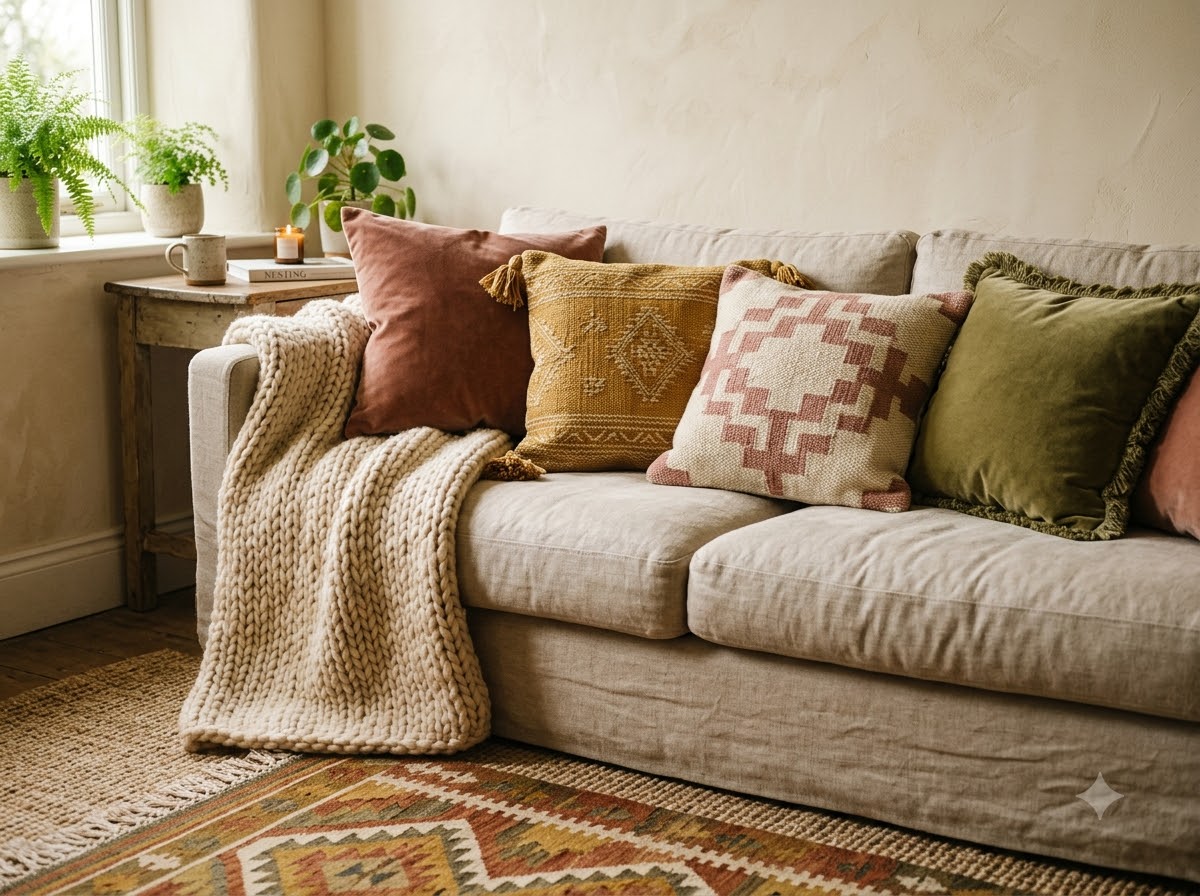
Use Plants as Essential Boho Decor
Plants are a natural fit for bohemian interiors, adding color, movement and organic texture. Large leafy plants such as fiddle-leaf figs, rubber plants and bird of paradise varieties create a strong focal point. Smaller plants can be arranged on shelves, window ledges or plant stands.
Choose the Right Plants for Your Room
- Bright rooms: try palms, fiddle-leaf figs, monsteras or string of pearls.
- Lower-light spaces: consider snake plants, pothos, ZZ plants or cast iron plants.
- Small rooms: use hanging planters or narrow pedestal stands to save floor space.
- Low-maintenance styling: combine realistic faux greenery with one or two easy-care live plants.
Planters are part of the decor, so vary their materials. Combine terracotta, woven baskets, concrete, ceramic and wood. Place a plant in a basket with a waterproof liner, and always use a saucer beneath indoor pots to protect floors and furniture.
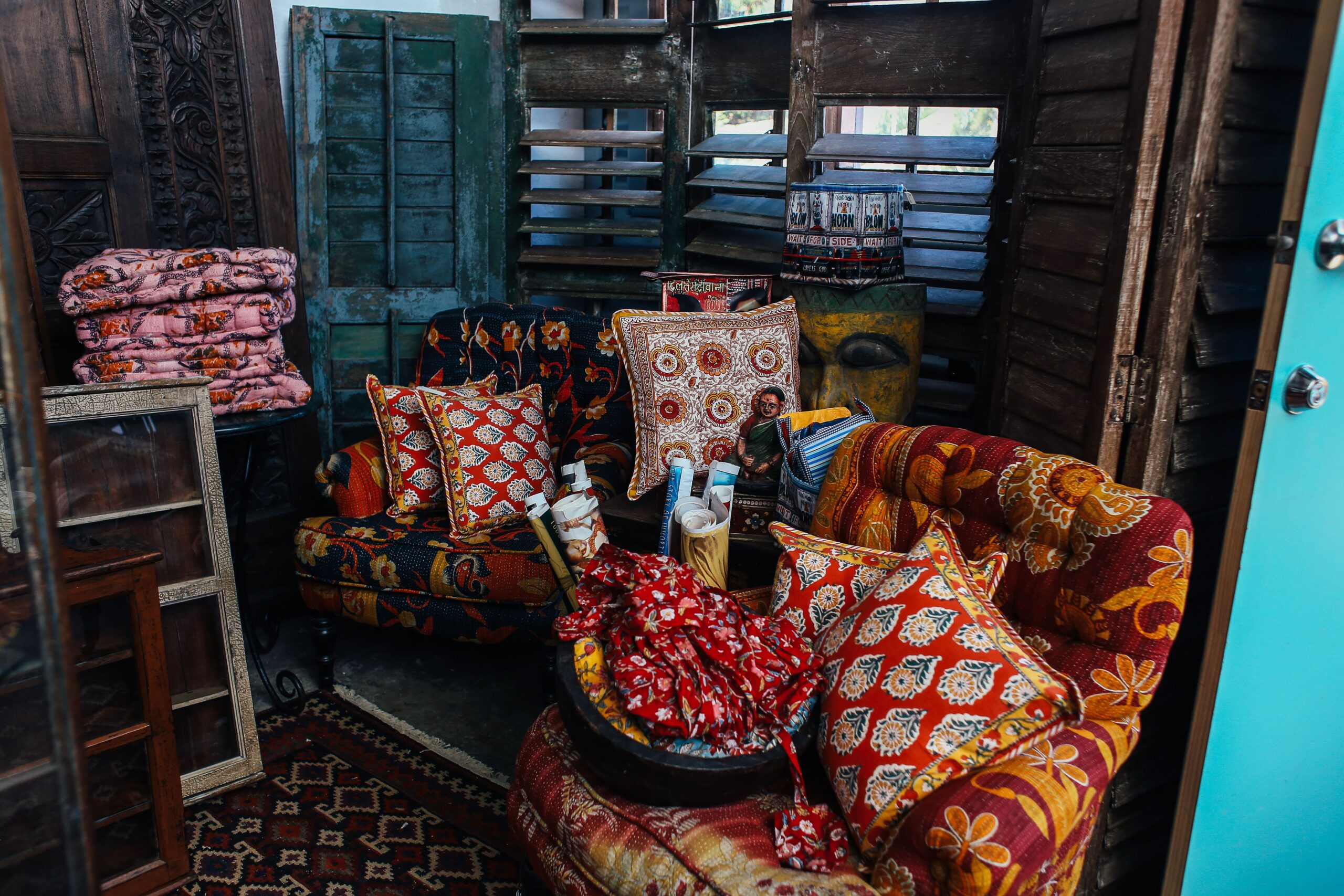
Decorate the Walls with Meaningful Art
Blank walls can make a boho room feel unfinished, but the artwork does not need to be expensive or perfectly matched. Look for pieces that suggest travel, craftsmanship or personal history. Textile hangings, abstract paintings, vintage posters, woven baskets and framed botanical prints can all contribute to a collected look.
Create a gallery wall by combining different frame finishes, but repeat one element to keep the arrangement cohesive. For instance, use mostly natural wood frames with one or two black frames for contrast. Lay the pieces on the floor first and experiment with spacing before putting anything on the wall.
If you prefer a calmer arrangement, choose one oversized textile or large artwork as a focal point above the sofa or bed. A single dramatic piece often has more impact than many small decorations. Make sure the scale relates to the furniture beneath it; artwork that is too small can make the entire arrangement feel disconnected.
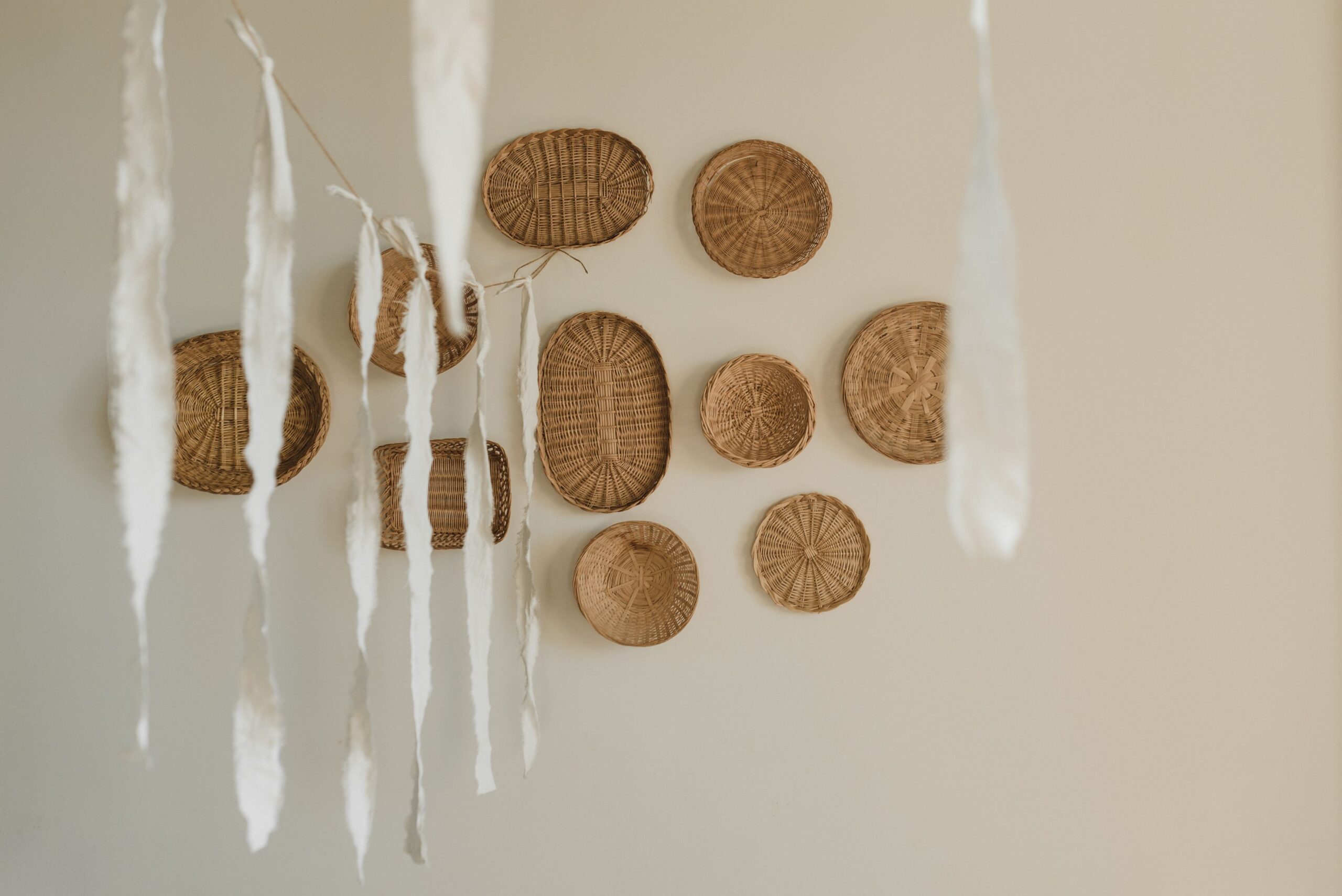
Finish with Thoughtful Boho Details
The final layer is what makes a boho room feel personal rather than styled from a catalog. Add objects that have a story: a handmade bowl, a framed travel photograph, a vintage lamp or a collection of books with beautiful covers. These details create authenticity and make the room feel lived in.
Use warm lighting throughout the space. Combine a central fixture with table lamps, floor lamps, candles and small accent lights. Bulbs between 2700K and 3000K usually create the cozy golden glow that works best with earthy boho colors.
Finally, edit the room before adding anything else. Bohemian style welcomes abundance, but it still benefits from negative space. Keep pathways clear, group similar objects together and remove items that do not contribute to comfort or character. The goal is not simply to fill the room; it is to create a layered, welcoming home where every texture, color and object feels intentionally chosen.
Beautiful boho decor is ultimately a balance of freedom and restraint: mix what you love, embrace natural materials, layer generously and allow your personality to guide the design. With the right combination of comfort, color and meaningful details, any room can become a stylish bohemian retreat.